

Galaxy Z Fold4 Vs Google Pixel 9 Pro XL

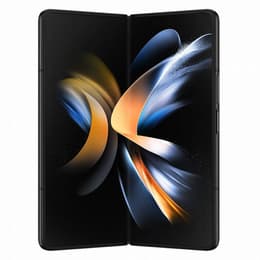
Galaxy Z Fold4
Galaxy Z Fold4
Starting at

Refurbished price:433.00

Versus €1,889.00 new

See options
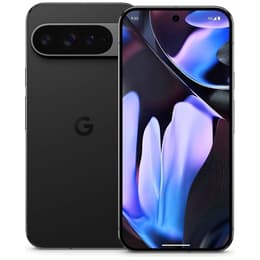
Google Pixel 9 Pro XL
Starting at

Refurbished price:475.00

Versus €1,298.07 new

See options

Ratings

The Samsung Galaxy Z Fold4, released in August 2022, and the Google Pixel 9 Pro XL, launched in August 2024, represent distinct approaches to the premium smartphone experience. While the Galaxy Z Fold4 offers a unique foldable design that transforms from a traditional smartphone into a larger tablet-like display, the Pixel 9 Pro XL provides a conventional slab form factor with a strong emphasis on advanced computational photography and artificial intelligence features. Both devices operate on the Android platform, but their core functionalities and user interactions differ significantly due to their fundamental designs.

Scores

Durability

The longevity of a smartphone is influenced by its physical durability and the duration of its software support. These two devices offer different timelines for updates and varying levels of physical resilience.

  • Software Support: The Google Pixel 9 Pro XL is designed for extended usability, offering seven years of both Android operating system updates and security updates, including regular Pixel Feature Drops. In contrast, the Samsung Galaxy Z Fold4, which shipped with Android 12L, is eligible for four major Android OS updates and five years of security updates, extending its support until approximately 2027.
  • Physical Durability: The Pixel 9 Pro XL features IP68 water and dust resistance, along with Gorilla Glass Victus 2 on both its front display and back panel, contributing to its robust build. The Galaxy Z Fold4 offers IPX8 water resistance and utilizes Gorilla Glass Victus+ on its cover screen and back, protected by an Armor Aluminum frame. The foldable nature of the Z Fold4 introduces a hinge mechanism, which has seen improvements over previous generations.
  • Practical Lifespan: Users prioritizing the longest possible software support and access to the latest Android features will find the Pixel 9 Pro XL's seven-year commitment beneficial. The Galaxy Z Fold4, while still receiving substantial support, will reach its end-of-life for major OS updates sooner.

Year of Release

2022

2024

Compatible with latest Update

Yes

Yes

OS

Android

Android

Foldable

Yes

No

Performance

Performance in modern smartphones is crucial for smooth daily operation, from app handling to demanding tasks like gaming and multitasking. Both devices deliver capable performance, though with different underlying architectures.

  • Processing Power: The Google Pixel 9 Pro XL is powered by the Google Tensor G4, designed for efficient multitasking and enhanced AI-driven features, ensuring high-speed processing for everyday tasks. The Samsung Galaxy Z Fold4 features a current-generation processor and 12GB of RAM, providing smooth performance for demanding applications and seamless multitasking.
  • Multitasking Capabilities: The Galaxy Z Fold4 excels in multitasking due to its large internal foldable display, allowing users to run multiple applications side-by-side with a dedicated taskbar for quick app switching. The Pixel 9 Pro XL, with its 16GB of RAM, also handles extensive multitasking efficiently, ensuring apps remain responsive even with many open in the background.
  • Real-World Responsiveness: User experiences indicate that both devices offer a fluid and responsive interface. The Pixel 9 Pro XL is noted for its ability to handle everything thrown at it, including gaming, with sufficient speed. The Galaxy Z Fold4 is described as a smooth performer, capable of running heavy 3D games at high settings.

Memory (GB)

12 GB

16 GB

Screen quality

The display is a primary interface for smartphone interaction, and these two devices offer distinct screen experiences tailored to different user preferences.

  • Display Technology and Size: The Samsung Galaxy Z Fold4 features two Dynamic AMOLED 2X displays: a 7.6-inch main foldable screen with a resolution of 2176 x 1812 pixels and a 6.2-inch cover screen with a resolution of 904 x 2316 pixels. The Google Pixel 9 Pro XL sports a single 6.8-inch LTPO OLED display with a resolution of 1344 x 2992 pixels.
  • Brightness and Clarity: The Pixel 9 Pro XL's display offers impressive brightness, reaching up to 3000 nits peak brightness and 2000 nits in High Brightness Mode (HBM), ensuring excellent visibility even in bright outdoor conditions. The Galaxy Z Fold4's main display can reach up to 1,200 nits, providing clear and vibrant visuals. Both devices feature 120Hz adaptive refresh rates for smooth scrolling and fluid animations.
  • Viewing Experience: The Z Fold4's large internal screen offers an expansive canvas for media consumption, productivity, and gaming, though a noticeable crease is present in the folding display. The Pixel 9 Pro XL's display is praised for its vibrant colors, deep blacks, and overall visual quality, providing a premium viewing experience on a traditional form factor.

Resolution

1812 x 2176

1344 x 2992

Screen type

Foldable Dynamic AMOLED 2X

LTPO OLED

Audiovisual

Both the Galaxy Z Fold4 and the Pixel 9 Pro XL are equipped with advanced camera systems, each with its own strengths in capturing images and videos.

  • Rear Camera Systems: The Google Pixel 9 Pro XL features a triple-lens rear camera setup, including a 50MP main sensor, a 48MP ultrawide lens with macro focus, and a 48MP telephoto lens offering 5x optical zoom. The Samsung Galaxy Z Fold4 also has a triple rear camera system, comprising a 50MP wide-angle lens, a 12MP ultrawide lens, and a 10MP telephoto lens with 3x optical zoom.
  • Photography Performance: The Pixel 9 Pro XL is known for its strong computational photography, delivering exceptional image quality with accurate colors and dynamic range, particularly from its main lens. The Galaxy Z Fold4 provides good point-and-shoot capabilities, capturing vibrant and detailed shots, and its camera system was an improvement over its predecessor.
  • Video and Selfie Capabilities: The Pixel 9 Pro XL supports 8K video recording and features a high-resolution 42MP front-facing camera with autofocus. The Galaxy Z Fold4 can record video up to 8K at 24fps, and includes a 10MP cover screen selfie camera, alongside a 4MP under-display camera on the main screen, which is generally considered more for video calls than high-quality selfies.

Main camera

50 megapixels

50 megapixels

Front camera

4 megapixels

42 megapixels

Miscellaneous

Beyond the core features, several practical elements contribute to the overall user experience and differentiate these two smartphones.

  • Connectivity and Ports: Both devices support 5G connectivity, Wi-Fi 6 (802.11ax) or Wi-Fi 6E, and Bluetooth 5.2. They both utilize a USB Type-C port for charging and data transfer. Neither device includes a traditional 3.5mm headphone jack.
  • Biometric Security: The Google Pixel 9 Pro XL features an upgraded ultrasonic under-display fingerprint scanner that is noted for its speed and reliability, alongside face unlock. The Samsung Galaxy Z Fold4 incorporates a side-mounted fingerprint sensor and also offers face recognition.
  • Design and Handling: The Galaxy Z Fold4, with its foldable design, weighs 263 grams and has dimensions of 155.1 x 130.1 x 6.3 mm when unfolded, and 155.1 x 67.1 x 15.8-14.2 mm when folded. This makes it thicker and heavier than traditional smartphones when folded. The Pixel 9 Pro XL, a traditional slab phone, weighs 221 grams and measures 162.8 x 76.6 x 8.5 mm, offering a more conventional in-hand feel. The Z Fold4 also supports S Pen input for enhanced productivity.

Weight

263 g

221 g

Screen size (in)

7.6

6.8

Network

5G

5G

SIM card

Dual Physical SIM + eSIM

Physical SIM + eSIM

Carrier compatibility

Unlocked

Unlocked

Choosing between the Samsung Galaxy Z Fold4 and the Google Pixel 9 Pro XL involves weighing distinct priorities. The Galaxy Z Fold4 is often praised by users for its innovative foldable form factor, which provides an expansive screen for multitasking and media consumption. Its ability to transform from a compact phone to a tablet-like device is a significant draw for those who value screen real estate and productivity on the go. However, some users note the visible crease on the main display and its relatively heavier and thicker build when folded as points of consideration.

The Google Pixel 9 Pro XL, on the other hand, receives consistent acclaim for its exceptional camera system, particularly its computational photography capabilities that deliver high-quality images with minimal effort. Users frequently highlight its impressive battery life, often lasting up to two days for many, as a major advantage. The Pixel's long-term software support and clean Android experience are also highly valued. Some feedback suggests that while its performance is robust, it might not always match the raw benchmark scores of some competitors, though this rarely impacts real-world usage.

Users prioritizing a versatile device that can seamlessly switch between a smartphone and a small tablet, offering enhanced multitasking features and S Pen support, may find the Galaxy Z Fold4 well-suited to their needs. Those who place a premium on an outstanding camera experience, extended software longevity, and exceptional battery life in a traditional smartphone form factor will likely lean towards the Google Pixel 9 Pro XL. Both devices represent flagship offerings in their respective categories, and considering a quality-assured refurbished option for either model can provide an eco-friendly alternative for consumers.


See all articles

Our recent comparisons