
iPhone

Compare models
Differences at a glance
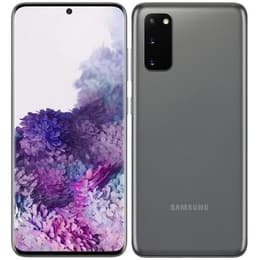
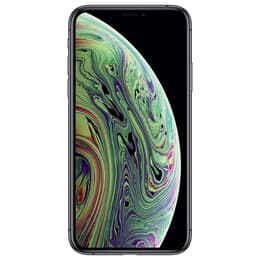
The Samsung Galaxy S20, released in March 2020, and the Apple iPhone XS, launched in September 2018, represent flagship smartphones from their respective manufacturers. While both devices offer premium experiences, they differ significantly in their operating systems, design philosophies, and core hardware capabilities. The Galaxy S20 runs on the Android operating system, offering a customizable interface, whereas the iPhone XS operates on Apple's iOS, known for its streamlined user experience and ecosystem integration. These differences cater to distinct user preferences, particularly concerning software flexibility and hardware integration.
Colour
Storage
When considering the long-term usability of these devices, their release timelines and software support are key factors. The Galaxy S20, being a newer device, generally benefits from a longer period of major operating system updates compared to the iPhone XS.
Year of Release
Compatible with latest Update
OS
Foldable
Performance is a critical aspect for daily use, influencing how smoothly applications run and how efficiently tasks are handled. Both the Galaxy S20 and iPhone XS were equipped with powerful processors for their respective release eras, but the newer S20 offers a more advanced architecture.
The display is the primary interface for smartphone interaction, and both devices offer high-quality viewing experiences, though with distinct characteristics and advancements.
Resolution
Screen type
Camera capabilities are a major consideration for many smartphone users, and both the Galaxy S20 and iPhone XS offer advanced photographic tools, albeit with different approaches and feature sets.
Main camera
Front camera
Beyond the core specifications, several other features contribute to the overall user experience and practical utility of a smartphone.
Weight
Screen size (in)
Network
SIM card
Carrier compatibility
Connector
The Samsung Galaxy S20 and iPhone XS cater to different user priorities, reflecting their respective ecosystems and release timelines. Users often praise the Galaxy S20 for its vibrant 120Hz display, versatile camera system with advanced zoom capabilities, and the flexibility offered by the Android operating system, including expandable storage. Some common criticisms for the S20 have included its battery life not always matching its large capacity for heavy users, and the complexity of its camera features for casual photographers. Conversely, the iPhone XS is frequently lauded for its consistent performance, the intuitive nature of iOS, and its reliable camera for everyday photos and videos. User feedback sometimes points to its smaller battery capacity and the lack of a high refresh rate display as areas where it shows its age compared to newer devices.
Users prioritizing a smoother display experience, a more flexible camera setup with higher zoom potential, and the option for expandable storage may find the Galaxy S20 better suited to their needs. Those who value a highly integrated ecosystem, consistent software updates (for its active support period), and a straightforward user experience might lean towards the iPhone XS. Both devices, when considered as quality-assured refurbished options, offer a sustainable choice for consumers looking to extend the life cycle of electronic products.