

Galaxy Z Fold4 Vs Google Pixel 9

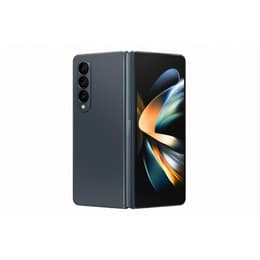
Galaxy Z Fold4
Galaxy Z Fold4
Starting at

Refurbished price:470.00

Versus €1,799.00 new

See options
Google Pixel 9
Google Pixel 9
Starting at

Refurbished price:376.00

Versus €1,066.71 new

See options

Ratings

The Samsung Galaxy Z Fold4, released in August 2022, is a foldable smartphone that transforms from a traditional phone form factor into a larger tablet-like display. In contrast, the Google Pixel 9, launched in August 2024, is a conventional slab-style smartphone known for its advanced computational photography and a streamlined Android experience. These devices cater to different user preferences, with the Z Fold4 prioritizing screen real estate and multitasking capabilities, while the Pixel 9 emphasizes a cohesive software experience and camera performance.

Scores

Durability

When considering the long-term usability of these devices, their release timelines and software support policies are important factors.

  • Release Timeline: The Galaxy Z Fold4 was released in August 2022, making it a device from a previous generation. The Pixel 9, released in August 2024, benefits from being a more recent model.
  • Software Support: The Galaxy Z Fold4 is eligible for four major Android OS updates and five years of security updates from its release, meaning support extends until approximately 2027. The Pixel 9, as a 2024 model, is expected to receive seven years of OS and security updates, potentially until 2031, offering a significantly longer period of current software and security patches.
  • Repairability: Foldable phones like the Z Fold4 generally present more complex repair challenges due to their intricate hinge mechanisms and dual-screen design. Traditional smartphones like the Pixel 9 typically offer a more straightforward repair process for common components, potentially leading to easier and more accessible maintenance over time.

Year of Release

2022

2024

Compatible with latest Update

Yes

Yes

OS

Android

Android

Foldable

Yes

No

Performance

The performance capabilities of these two smartphones reflect their respective release years and design philosophies, impacting how smoothly they handle daily tasks and demanding applications.

  • Processing Power: The Galaxy Z Fold4 is powered by a high-end processor from 2022, which capably handles demanding applications, multitasking, and gaming. The Pixel 9, featuring a newer generation processor from 2024, offers enhanced performance, particularly in AI-driven tasks, image processing, and overall system responsiveness, providing more headroom for future software and applications.
  • Multitasking: Both devices come with 12GB of RAM, allowing for efficient multitasking. The Z Fold4's larger internal display is designed to leverage this RAM for a more expansive multitasking experience.
  • Battery Behavior: The Galaxy Z Fold4 has a 4400 mAh battery, which generally provides a full day of moderate use, though heavy usage may require more frequent charging. The Pixel 9 features a 4700 mAh battery and has shown significantly improved battery life in real-world usage, often lasting over 13 hours with adaptive refresh rates enabled.

Memory (GB)

12 GB

12 GB

Screen quality

The display experience is a primary distinguishing factor, with the Z Fold4 offering a unique foldable design and the Pixel 9 providing a premium traditional screen.

  • Display Technology and Size: The Galaxy Z Fold4 features a 7.6-inch foldable internal AMOLED display and a 6.2-inch external AMOLED cover display, both offering vibrant colors and deep blacks. The Pixel 9 comes with a single 6.3-inch OLED display, providing excellent contrast and color accuracy.
  • Brightness Levels: The Z Fold4's displays offer a peak brightness of up to 1200 nits, suitable for most indoor and outdoor conditions. The Pixel 9's display is notably brighter, reaching up to 2700 nits peak brightness, which enhances visibility in bright sunlight.
  • Refresh Rate and Smoothness: Both devices feature a smooth display with a 120Hz refresh rate on their main screens, contributing to fluid scrolling and responsive interactions.

Resolution

1812 x 2176

1080 x 2424

Screen type

Foldable Dynamic AMOLED 2X

OLED

Audiovisual

Both smartphones offer capable camera systems, but they approach photography with different strengths and features.

  • Main Camera System: The Galaxy Z Fold4 features a triple camera setup with a 50MP wide-angle primary camera, a 12MP ultra-wide camera, and a 10MP telephoto camera with 3x optical zoom. The Pixel 9 has an advanced dual rear camera system, including a 50MP wide camera and a 48MP ultrawide camera with autofocus and Macro Focus, but relies on Super Res Zoom for extended reach rather than a dedicated telephoto lens.
  • Low-Light and Everyday Photography: The Pixel 9 is highly regarded for its computational photography, delivering sharp, clear images with excellent dynamic range and strong low-light performance across both its rear cameras. The Z Fold4 also captures vibrant and detailed photos in good lighting, with its upgraded main sensor providing a balanced picture.
  • Video Recording Quality: The Z Fold4 supports 8K video recording at 24 frames per second. The Pixel 9 produces impressive video with 10-bit HDR recording and effective built-in stabilization.

Main camera

50 megapixels

50 megapixels

Front camera

4 megapixels

10.5 megapixels

Miscellaneous

Beyond core specifications, several practical elements differentiate the user experience between these two devices.

  • Connectivity Options: Both devices support 5G connectivity. The Z Fold4 includes Wi-Fi 6E and Bluetooth 5.2. The Pixel 9 is expected to feature newer standards like Wi-Fi 7 and Bluetooth 5.4, offering potentially faster and more stable wireless connections.
  • Ports and Biometrics: Both smartphones utilize a USB-C port for charging and data transfer. The Z Fold4 typically uses a side-mounted fingerprint sensor for secure unlocking. The Pixel 9 features an in-display ultrasonic fingerprint sensor, along with advanced face recognition capabilities, providing convenient and robust biometric security options.
  • Weight and Dimensions: The Galaxy Z Fold4 is a heavier device at 263g and has a thicker profile when folded, impacting one-handed use. The Pixel 9 is lighter at 198g and maintains a traditional slab form factor, which may be preferred for ease of handling.

Weight

263 g

198 g

Screen size (in)

7.6

6.3

Network

5G

5G

SIM card

Dual Physical SIM + eSIM

Physical SIM + eSIM

Carrier compatibility

Unlocked

Unlocked

Connector

USB-C

USB-C

The Samsung Galaxy Z Fold4 and Google Pixel 9 offer distinct smartphone experiences, each with its own set of advantages tailored to different user needs. Users frequently praise the Z Fold4 for its innovative foldable design, which provides a large, immersive screen for productivity and media consumption. Its robust multitasking features are often highlighted as a key benefit. However, some users express concerns about the long-term durability of the foldable screen and the device's overall weight and thickness.

The Google Pixel 9 receives consistent acclaim for its exceptional camera quality, particularly its computational photography capabilities and strong low-light performance. Users also appreciate its extended software support, ensuring a longer period of updates and security. Criticisms sometimes point to the absence of a dedicated telephoto lens on the base model and, in earlier Pixel generations, concerns about battery life, though the Pixel 9 has shown significant improvements in this area.

Users prioritizing a large, adaptable display for enhanced productivity and media consumption may find the Galaxy Z Fold4 well-suited to their needs. Its unique form factor allows for a tablet-like experience in a pocketable device. Conversely, users who value a top-tier camera experience, long-term software support, and a more traditional, compact smartphone design will likely lean towards the Google Pixel 9. Both devices represent compelling options, and for those seeking an eco-friendly alternative, quality-assured refurbished options are available, offering a sustainable choice for either model.


See all articles

Our recent comparisons