
Compare models

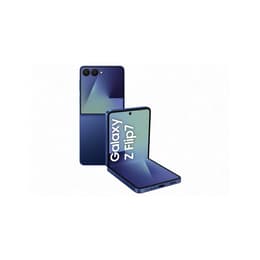
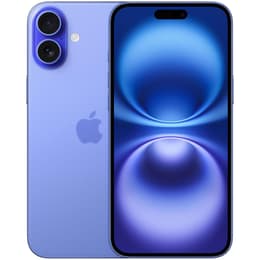
Galaxy Z Flip7 Vs iPhone 16 Plus

  • 1-year minimum warranty
  • Free delivery on all orders
  • Free 30-day returns
Galaxy Z Flip7
Starting at

Refurbished price:594.00

Versus €1,328.48 new

See options
iPhone 16 Plus
Starting at

Refurbished price:611.00

Versus €979.00 new

See options

Differences at a glance

The Samsung Galaxy Z Flip7 (2025) and the Apple iPhone 16 Plus (2024) represent two distinct approaches to modern mobile technology, contrasting an innovative folding clamshell design with a traditional, large-screen smartphone format. While the Galaxy Z Flip7 features a flexible display that folds down for pocket portability, the iPhone 16 Plus opts for a rigid, expansive glass-and-aluminum body built around a large viewing canvas. Operating on Android and iOS respectively, these devices serve users looking for high-end everyday capabilities shaped by completely different physical forms.

Available Models

Colour

Storage (GB)

Scores

Durability

When evaluating structural longevity and software support, both smartphones offer robust build qualities alongside extended update timelines, though their physical designs introduce unique durability considerations.

  • Software Support: Both manufacturers provide long-term operating system updates and security patches, ensuring each device stays current for many years of typical ownership.
  • Physical Resilience: The iPhone 16 Plus utilizes a solid slab construction with advanced glass protection, whereas the Galaxy Z Flip7 incorporates a complex folding hinge mechanism that requires mindful handling over time.
  • Repairability and Lifespan: Traditional candy-bar designs like the iPhone generally score higher for straightforward component swaps, while folding devices like the Flip series involve specialized hinge maintenance.

Year of Release

2025

2024

Compatible with latest Update

Yes

Yes

Foldable

Yes

No

Performance

Both models handle demanding daily routines, multitasking sessions, and graphics-intensive applications with ease, backed by generous memory configurations and efficient internal processing.

  • Speed and Multitasking: Each device switches seamlessly between resource-heavy applications, handles mobile gaming smoothly, and maintains responsive system navigation without noticeable stuttering.
  • Battery Behavior: The iPhone 16 Plus benefits from a large physical battery capacity that delivers consistent endurance through extended daily use, while the Galaxy Z Flip7 balances a compact folding footprint with adaptive power management.
  • Storage Configurations: Both lineups offer ample baseline storage options to accommodate extensive photo libraries, offline media, and large application files.

Screen quality

Visual delivery differs fundamentally based on form factor, with both options utilizing advanced display panels designed for vibrant clarity and comfortable outdoor visibility.

  • Display Technology: The iPhone 16 Plus features a rigid, bright OLED panel with fixed dimensions, whereas the Galaxy Z Flip7 deploys a foldable main display accompanied by a functional outer cover screen for quick tasks.
  • Outdoor Legibility: Both screens reach high peak brightness levels, allowing content, text, and navigation maps to remain clearly visible under direct sunlight.
  • Viewing Experience: The iPhone provides an uninterrupted, wide multimedia canvas for video playback, while the Flip format offers a tall aspect ratio when unfolded alongside convenient hands-free viewing angles when partially folded.

Resolution

1080x2520

1290 x 2796

Audiovisual

Photography and media capture capabilities are well-represented on both devices, featuring versatile multi-lens rear arrays and clear audio recording systems for daily communication.

  • Camera Systems: Both models utilize high-resolution main sensors paired with ultra-wide options, capturing crisp details in daylight and adapting well to low-light environments.
  • Video and Audio: Video recording remains stable and detailed across both platforms, supported by sensitive microphones that isolate voice input clearly during calls and video messages.
  • Media Consumption: Stereo speaker setups on both devices deliver balanced audio output, enhancing casual music playback and video streaming without requiring external speakers.

Front camera

10 megapixels

12 megapixels

Miscellaneous

Practical daily usability is shaped by connectivity standards, physical dimensions, and biometric security features tailored to each device's unique physical architecture.

  • Connectivity and Ports: Both models support current 5G networks and fast Wi-Fi standards, utilizing universal charging and data transfer connections.
  • Biometrics and Sensors: The iPhone 16 Plus relies on advanced facial recognition, while the Galaxy Z Flip7 incorporates a side-mounted fingerprint sensor alongside face unlocking capabilities.
  • Handling and Portability: The Galaxy Z Flip7 folds in half to occupy minimal pocket space despite its slightly taller unfolded profile, whereas the iPhone 16 Plus maintains a slim, uniform thickness that prioritizes two-handed stability.

Weight

188 g

199 g

Screen size (in)

6.9

6.7

Network

5G

5G

SIM card

Physical SIM + eSIM

Physical SIM + eSIM

Carrier compatibility

Unlocked

Unlocked

Connector

USB-C

USB-C (USB 2)

What the community thinks

User feedback highlights distinct preferences for each device based on lifestyle and handling habits. Owners of the Galaxy Z Flip7 frequently praise its compact pocket-friendly footprint when folded and the convenience of the outer display for checking notifications quickly, though some note that the folding crease remains faintly visible. Conversely, users of the iPhone 16 Plus appreciate its dependable battery longevity and expansive screen estate for media consumption, while occasional criticisms focus on its larger physical footprint in smaller pockets.

Users prioritizing pocket portability and a unique folding format will find the Galaxy Z Flip7 well-suited to their daily routine, while users prioritizing a traditional large display and extended battery endurance may lean toward the iPhone 16 Plus. Exploring a quality-assured refurbished option provides an eco-friendly alternative for acquiring either model while supporting sustainable technology choices. Ultimately, the right choice depends entirely on whether a flexible compact design or a traditional large-screen format best matches your daily workflow.