

Compare models
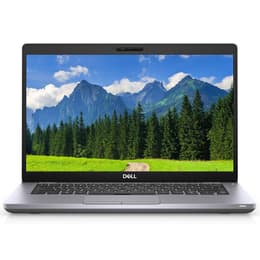
Dell Latitude 5410 14" Vs Dell Latitude 5430 14"
- 1-year minimum warranty
- Free delivery on all orders
- Free 30-day returns
Differences at a glance
The Dell Latitude 5410 (2020) and Dell Latitude 5430 (2022) are fourteen-inch business laptops designed for professional users, students, and remote workers. While both models share a similar form factor and professional orientation, the newer Latitude 5430 introduces updated processing architecture, improved power efficiency, and enhanced connectivity standards that set it apart from its predecessor. Both devices run on standard desktop operating systems, providing full software compatibility for enterprise environments and everyday productivity tasks alike.
Available Models
Storage (GB)
Processor
Memory (GB)
Scores
Durability
When evaluating the long-term viability and software support of these business-oriented laptops, both models offer solid structural longevity, though their release years create a distinct timeline difference for software updates.
- Release timeline and update support: The Latitude 5430 launched two years after the Latitude 5410, meaning it maintains an extended window for operating system support and driver updates.
- Repairability and build maintenance: Both laptops feature modular components with accessible internal layouts, allowing technicians to replace keyboards, batteries, and storage drives relatively easily.
- Expected practical lifespan: Choosing a quality-assured refurbished option of either model provides a sustainable choice that extends the hardware lifecycle while maintaining reliable day-to-day functionality.
Year of Release
2019
2022
Last Os Compatibility
Yes
Yes
OS
Windows 11
Windows 11
Performance
Underneath the chassis, these laptops deliver capable computing performance for everyday office applications, multitasking, and web browsing, though the newer generation benefits from architectural efficiency gains.
- Multitasking and daily responsiveness: Both configurations handle heavy spreadsheet management, numerous browser tabs, and video conferencing smoothly, though the newer processor in the Latitude 5430 manages thermal loads more efficiently under sustained workloads.
- Memory and storage configurations: Both models support flexible RAM upgrades and fast solid-state drive storage, ensuring rapid file transfers and quick system boot times.
- Battery behavior in typical use: The Latitude 5430 benefits from more power-efficient internal components, resulting in longer operation away from a wall outlet during mixed office tasks compared to the older model.
Graphic card
Integrated Graphics
Integrated Graphics
Screen quality
Display technology on both fourteen-inch machines focuses on clear text legibility and comfortable viewing angles for extended work sessions, with minor variations in brightness and panel options.
- Resolution and clarity: Both laptops feature standard high-definition panel resolutions that render sharp text and crisp details for documents, spreadsheets, and media consumption.
- Brightness and outdoor visibility: The Latitude 5430 typically offers higher maximum brightness configurations, making it easier to view content near bright windows or outdoor environments.
- Panel technology and comfort: Both models utilize anti-glare coatings to minimize reflections, reducing eye strain during long hours of reading and writing.
Resolution
1920 x 1080
1920 x 1080
Audiovisual
Media consumption and communication features on business laptops prioritize clear audio and reliable video conferencing performance over advanced multimedia creation tools.
- Webcam and video calling: The Latitude 5430 generally includes an updated camera sensor with improved low-light performance, providing clearer video feeds for virtual meetings compared to the Latitude 5410.
- Microphone clarity: Integrated dual-array microphones on both devices effectively filter out background room noise to ensure intelligible voice transmission during calls.
- Speaker output: The built-in stereo speakers deliver adequate volume for spoken-word audio and casual video playback, though external headphones remain recommended for immersive media experiences.
Miscellaneous
Practical daily usability is shaped by physical dimensions, port availability, and modern connectivity standards built into each chassis design.
- Port selection and connectivity: The Latitude 5430 introduces faster wireless networking standards and updated USB port speeds, while both models maintain a robust selection of traditional ports including HDMI and USB-A connections.
- Physical dimensions and weight: Both fourteen-inch laptops offer portable footprints suitable for frequent travel, with the Latitude 5430 featuring a slightly refined, streamlined chassis profile.
- Security and authentication: Both units include enterprise-grade security features such as smart card readers and optional fingerprint sensors or infrared cameras for secure login.
Weight
1500 g
1360 g
Screen size
14
14
What the community thinks
User discussions across community forums highlight the reliable keyboard comfort, robust port selection, and durable physical construction of both Latitude models. Common criticisms for the older Latitude 5410 often focus on shorter battery endurance under heavy workloads, while the Latitude 5430 receives praise for its improved thermal management and extended battery stamina. Users prioritizing maximum energy efficiency and updated wireless connectivity may prefer the Latitude 5430, whereas those seeking a dependable, straightforward machine for basic office tasks and writing will find the Latitude 5410 well-suited to their needs.
When deciding between these two devices, evaluating individual workflow demands helps determine the right fit. Users who require extended time away from power outlets during travel will lean toward the newer generation, while standard office users working primarily plugged into desk setups will find consistent performance from either option. Exploring a quality-assured refurbished option for either laptop provides an eco-friendly alternative that meets professional computing needs while supporting sustainable technology consumption.