

Galaxy Z Flip6 Vs Xiaomi Redmi Note 14 4G

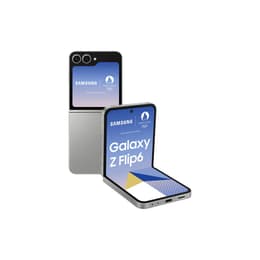
Galaxy Z Flip6
Galaxy Z Flip6
Starting at

Refurbished price:415.00

Versus €1,199.99 new

See options
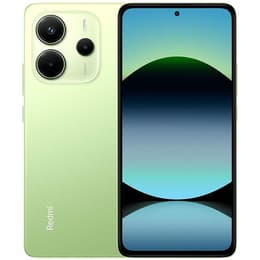
Xiaomi Redmi Note 14 4G
Starting at

Refurbished price:162.00

Versus €229.99 new

See options

Ratings

The Samsung Galaxy Z Flip6 and the Xiaomi Redmi Note 14 4G are distinct smartphone offerings, each catering to different user preferences and priorities. Released in July 2024, the Galaxy Z Flip6 is a foldable device running on Android 14 with Samsung's One UI, emphasizing a compact form factor and advanced features. The Redmi Note 14 4G, launched in January 2025, is a traditional slab-style smartphone operating on Android 14 with Xiaomi's HyperOS, focusing on a balanced user experience.

The primary differentiator lies in their design: the Z Flip6 offers a unique folding screen, while the Redmi Note 14 4G provides a conventional, larger display. This fundamental difference influences aspects from portability to durability and overall user interaction.

Scores

Durability

The expected lifespan of a smartphone is significantly influenced by its software support and physical durability.

  • Software Longevity: The Samsung Galaxy Z Flip6 offers an extensive software support period, promising seven generations of Android OS upgrades and seven years of security updates, extending its functional life until approximately 2031. This commitment ensures the device remains current with the latest features and security protocols for a prolonged duration. In contrast, the Xiaomi Redmi Note 14 4G is slated to receive four major Android OS updates and six years of security updates, also extending its support until around 2031.
  • Physical Durability: The Galaxy Z Flip6 features an IP48 rating for water and dust resistance, along with Gorilla Glass Victus 2 on its outer shell and an improved hinge design intended to better withstand shocks and pressure. Its foldable inner display uses Ultra-Thin Glass (UTG), which is designed for flexibility but requires careful handling. The Redmi Note 14 4G carries an IP54 rating for dust and splash resistance and utilizes Corning Gorilla Glass 5 for screen protection.
  • Repairability: The Galaxy Z Flip6 has an overall repairability score of 8 out of 10, indicating that while some components like the hinge and battery can be challenging for DIY repairs, screen replacement is considered easier than its predecessor. Samsung also offers a discounted screen repair program for the internal folding screen within two years of purchase. The Redmi Note 14 4G is described as relatively easy to disassemble, with various repair guides available for components like the screen.

Year of Release

2024

2025

OS

Android

Android

Foldable

Yes

No

Performance

Performance in smartphones is determined by the underlying hardware and how efficiently it handles daily tasks and demanding applications.

  • Processing Power: The Samsung Galaxy Z Flip6 is equipped with a current-generation flagship processor, enabling it to handle demanding applications, intensive multitasking, and graphic-rich gaming with smooth responsiveness. This powerful hardware also supports advanced AI features. The Xiaomi Redmi Note 14 4G features a mid-range processor, which provides capable performance for everyday tasks, general app usage, and moderate gaming.
  • Memory and Storage: The Galaxy Z Flip6 typically comes with 12 GB of RAM and offers internal storage options of 256 GB or 512 GB, utilizing faster UFS 4.0 technology. This ample RAM supports seamless app switching and background processes. The Redmi Note 14 4G is available with 6 GB or 8 GB of RAM and 128 GB or 256 GB of internal storage, with the added flexibility of expandable storage via a microSD card.
  • Battery Experience: The Galaxy Z Flip6 houses a 4000 mAh battery, which users report can last through a full day of typical use, though heavy usage may require more frequent charging. It supports 25W wired and 15W wireless charging. The Redmi Note 14 4G features a larger 5110 mAh battery, often praised by users for its strong battery life, and supports 33W wired fast charging.

Memory (GB)

12 GB

6 GB

Screen quality

The visual experience on a smartphone is largely defined by its display technology and characteristics.

  • Display Technology and Clarity: The Samsung Galaxy Z Flip6 features a 6.7-inch foldable Dynamic AMOLED 2X main display with a resolution of 1080x2640 pixels, offering deep blacks and vibrant colors. It also includes a 3.4-inch Super AMOLED cover display for quick interactions. The Xiaomi Redmi Note 14 4G sports a 6.67-inch AMOLED display with a resolution of 1080x2400 pixels, providing sharp and clear visuals.
  • Brightness and Smoothness: Both devices offer a 120Hz refresh rate on their main displays, contributing to smooth scrolling and responsive interactions. The Galaxy Z Flip6's main display can reach a peak brightness of 2600 nits, while its cover display reaches 1600 nits, ensuring good visibility in various lighting conditions. The Redmi Note 14 4G's display offers a peak brightness of 1800 nits, also providing good outdoor visibility.
  • Viewing Experience: The Z Flip6's foldable design allows for a compact form factor when closed, and its cover screen offers unique functionalities for quick tasks and selfies. The Redmi Note 14 4G provides a traditional, expansive viewing area suitable for media consumption and productivity.

Resolution

1080 x 2640

1080x2400

Audiovisual

Camera capabilities are a key consideration for many users, influencing the quality of photos and videos captured.

  • Rear Camera System: The Samsung Galaxy Z Flip6 features a dual-camera setup on the rear, consisting of a 50 MP wide-angle main sensor with optical image stabilization (OIS) and a 12 MP ultra-wide-angle lens. It includes enhancements for low-light photography and a boosted night mode. The Xiaomi Redmi Note 14 4G comes with a triple camera system, featuring a 108 MP primary sensor with OIS, an 8 MP ultrawide lens, and a 2 MP macro or depth sensor.
  • Front Camera and Video: For selfies and video calls, the Galaxy Z Flip6 has a 10 MP front camera. It supports video recording up to 4K resolution at 60 frames per second. The Redmi Note 14 4G is equipped with a 20 MP front camera. Its video recording capabilities include 1080p at 30/60 frames per second.
  • Audio Experience: The Galaxy Z Flip6 provides a robust audio experience with stereo speakers and haptic feedback. The Redmi Note 14 4G also features stereo speakers with Dolby Atmos support and retains a 3.5mm headphone jack, offering flexibility for audio output.

Miscellaneous

Beyond core specifications, several practical elements contribute to the overall user experience and device utility.

  • Connectivity and Ports: The Samsung Galaxy Z Flip6 supports 5G connectivity, Wi-Fi 6E, and Bluetooth 5.3, offering fast and modern wireless communication. It uses a USB-C port for charging and data transfer. The Xiaomi Redmi Note 14 4G is limited to 4G network connectivity but includes Wi-Fi 5 and Bluetooth 5.3. It features a USB Type-C port and a 3.5mm headphone jack.
  • Biometric Security and Sensors: Both devices incorporate modern biometric security. The Galaxy Z Flip6 includes a side-mounted fingerprint sensor integrated into the power button and face recognition. The Redmi Note 14 4G features an in-display fingerprint sensor and supports face unlock.
  • Design and Handling: The Galaxy Z Flip6 has a folded dimension of 85.1 x 71.9 x 14.9 mm and weighs 187 g, making it highly compact and pocketable. When unfolded, it measures 165.1 x 71.9 x 6.9 mm. The Redmi Note 14 4G measures 163.3 x 76.6 x 8.2 mm and weighs 196 g, offering a larger, traditional smartphone feel.

Weight

187 g

196 g

Screen size (in)

6.7

6.67

Network

5G

4G

SIM card

Physical SIM + eSIM

Physical SIM + eSIM

Carrier compatibility

Unlocked

Unlocked

User feedback for the Samsung Galaxy Z Flip6 often highlights its unique foldable design as a major draw, providing a compact and distinctive experience that stands out from conventional smartphones. Users appreciate the ability to fold the device for portability and the utility of the cover screen for quick interactions. The camera performance is generally considered good, and some users report satisfactory battery life for daily use. Criticisms sometimes point to the inner screen protector's susceptibility to scratches and occasional concerns about hinge durability over time, though Samsung has made improvements in this area.

For the Xiaomi Redmi Note 14 4G, common praise centers on its strong battery life and vibrant AMOLED display. Users often find its build quality robust and its main camera capable for everyday photography. Some users express satisfaction with its overall performance for its segment. However, some criticisms include concerns about potential overheating with intensive use, occasional camera lag, and the presence of pre-installed software.

Users prioritizing a compact, innovative form factor with extensive software support and flagship-level performance will find the Samsung Galaxy Z Flip6 well-suited to their needs. Its unique design offers distinct interaction possibilities, making it ideal for those who value portability and a fresh smartphone experience. Conversely, users who prioritize a larger, traditional display, extended battery life, and expandable storage, along with a 3.5mm headphone jack, may lean toward the Xiaomi Redmi Note 14 4G. It offers a balanced set of features for everyday use without the complexities of a foldable design.

Both devices represent compelling options in the smartphone market, and considering quality-assured refurbished options can provide an eco-friendly alternative for acquiring either model.

See all articles

Our recent comparisons





