

Compare models

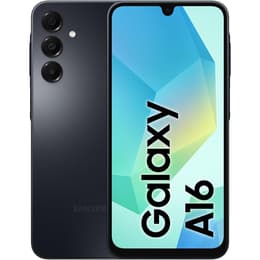
Galaxy A16 Vs Google Pixel 7A

  • 1-year minimum warranty
  • Free delivery on all orders
  • Free 30-day returns
Galaxy A16
Galaxy A16
Starting at

Refurbished price:144.00

Versus €250.00 new

See options
Google Pixel 7A
Google Pixel 7A
Starting at

Refurbished price:163.99

Versus €649.99 new

See options

Differences at a glance

The Samsung Galaxy A16, released in late 2024, and the Google Pixel 7a, launched in mid-2023, are both Android smartphones designed to offer a balanced experience for everyday users. While the Galaxy A16 emphasizes a larger display and extended software support, the Pixel 7a focuses on advanced camera capabilities and a streamlined software experience. Both devices run on the Android operating system, but they offer distinct approaches to hardware and software integration.

Scores

Durability

When considering the long-term usability of a smartphone, software support and physical resilience are key factors. The Galaxy A16 and Pixel 7a offer different timelines for updates and varying levels of physical protection.

  • Software Longevity: The Samsung Galaxy A16 is notable for its commitment to six generations of Android OS upgrades and six years of security updates, with support extending until October 2030. This provides a longer software lifespan compared to the Google Pixel 7a, which receives five years of OS and security updates, with support for OS updates ending around May 2026 and security updates continuing until May 2028.
  • Physical Durability: The Google Pixel 7a features an IP67 rating for dust and water resistance, meaning it can withstand immersion in up to 1 meter of water for 30 minutes, and its display is protected by Corning Gorilla Glass 3. The Galaxy A16 is described as splashproof and features a plastic frame with a 'Glastic' finish on the front and back, which is a plastic material designed to mimic glass.
  • Repairability: The Pixel 7a is designed to be repairable by Google and third-party shops, with genuine replacement parts available. Information regarding the specific repairability score or ease of repair for the Galaxy A16 is less detailed, though its plastic construction might suggest a more straightforward repair process for some components.

Year of Release

2024

2023

OS

Android

Android

Foldable

No

No

Performance

The performance of a smartphone is crucial for daily tasks, from app usage to multitasking. Both the Galaxy A16 and Pixel 7a handle common operations, but they differ in their underlying processing power and overall responsiveness.

  • Processing Capabilities: The Google Pixel 7a is equipped with a processor that enables an innovative user experience, including rapid image editing and efficient real-time language translations, making it responsive for demanding applications. The Samsung Galaxy A16, depending on the variant, uses a processor that capably handles basic tasks, though some users have noted it can feel sluggish or stuttery with more intensive use or when compared to newer mid-range devices.
  • Multitasking and Storage: The Pixel 7a comes with 8GB of RAM and 128GB of internal storage, which is not expandable. This configuration supports smooth multitasking. The Galaxy A16 offers more flexibility with RAM options ranging from 4GB to 8GB and storage options of 128GB or 256GB, with the added benefit of expandable storage via a microSDXC card slot.
  • Battery Behavior: The Galaxy A16 features a 5000mAh battery, which generally provides solid battery life, often lasting beyond a full day of typical use. The Pixel 7a has a 4385mAh battery, and while it can last a full day for many users, some have reported needing a mid-day charge, particularly with heavy usage or when the display brightness is set high.

Memory (GB)

4 GB

8 GB

Screen quality

The display is a primary interface for any smartphone, and both devices offer vibrant viewing experiences with some key distinctions in size and features.

  • Display Technology and Size: The Samsung Galaxy A16 features a larger 6.7-inch Super AMOLED display, providing vibrant colors and deep blacks. The Google Pixel 7a has a 6.1-inch OLED display, also known for its rich colors and contrast. The larger screen of the A16 offers more screen real estate for media consumption and productivity.
  • Resolution and Refresh Rate: Both phones offer a Full HD+ resolution (1080x2340 for A16, 2400x1080 for Pixel 7a) and a 90Hz refresh rate, contributing to smooth scrolling and a fluid visual experience. The Pixel 7a's display also supports HDR, enhancing the viewing of compatible content.
  • Brightness and Design: The Galaxy A16's display has a maximum brightness of 800 nits, which is suitable for most indoor and outdoor conditions, though it lacks automatic refresh rate switching and HDR support. It features a camera notch and a noticeable chin bezel. The Pixel 7a's display is protected by Corning Gorilla Glass 3 and offers good brightness, handling sunny conditions well.

Resolution

1080x2340

1080 x 2400

Screen type

Super AMOLED

OLED

Audiovisual

Camera capabilities are often a significant factor for smartphone users, and these two devices approach photography with different strengths and features.

  • Rear Camera Systems: The Google Pixel 7a is highly regarded for its camera system, featuring a 64MP main sensor with optical image stabilization (OIS) and a 13MP ultrawide lens. It excels in computational photography, producing detailed and color-accurate images in various lighting conditions, including dim indoor settings. The Samsung Galaxy A16 includes a 50MP main camera, a 5MP ultrawide, and a 2MP macro lens. Its main sensor performs well in daylight with vibrant colors, but its low-light performance is weaker due to the absence of OIS, and the ultrawide and macro lenses are considered less capable.
  • Video Recording and Front Camera: Both phones are capable of recording 4K video. The Pixel 7a can record at up to 60 frames per second with OIS and electronic image stabilization (EIS), resulting in stable footage. The Galaxy A16 can also record 4K video and offers decent stabilization, with the ability to switch between main and ultrawide cameras during recording. For selfies, the Pixel 7a has a 13MP front camera that captures good detail and handles skin tones well. The Galaxy A16 also features a 13MP front camera that produces good photos.
  • Special Features: The Pixel 7a leverages its processing power for features like rapid image enhancement and a long-exposure mode. It relies on digital zoom rather than a dedicated telephoto lens. The Galaxy A16's camera system is more straightforward, with its strengths primarily in its main sensor under good lighting.

Miscellaneous

Beyond the core features, several practical elements contribute to the overall user experience and differentiate these two smartphones.

  • Connectivity and Ports: Both devices support 5G connectivity (for the 5G variant of the A16), Wi-Fi, and Bluetooth 5.3, ensuring modern wireless communication. They both utilize a USB-C port for charging and data transfer. The Pixel 7a supports eSIM, as does the Galaxy A16. Neither phone includes a traditional 3.5mm headphone jack.
  • Biometric Security: The Google Pixel 7a offers both an under-display optical fingerprint sensor and face unlock for secure access. The Samsung Galaxy A16 also includes a fingerprint sensor, along with other standard sensors like an accelerometer, proximity sensor, and compass.
  • Design and Handling: The Galaxy A16 is a larger device, measuring 164.4 x 77.9 x 7.9 mm and weighing 200g, which might appeal to users who prefer a more expansive screen. The Pixel 7a is more compact at 152 x 72.9 x 9 mm and 193.5g, offering a more manageable size for one-handed use. The A16's plastic build with a 'Glastic' finish can show fingerprints and smudges easily.

Weight

200 g

193 g

Screen size (in)

6.7

6.1

Network

4G

5G

SIM card

Physical SIM

Physical SIM + eSIM

Carrier compatibility

Unlocked

Unlocked

What the community thinks

User feedback for the Google Pixel 7a frequently praises its exceptional camera quality, often comparing it favorably to more expensive flagship phones, and its smooth, stock Android experience. Common criticisms include its battery life, which some users find to be merely adequate for a full day, and an inconsistent fingerprint reader for some. The Samsung Galaxy A16 is often lauded for its vibrant Super AMOLED display, robust battery life, and Samsung's commitment to extended software updates. However, some users have expressed concerns about its performance, describing it as occasionally sluggish, and the quality of its secondary cameras.

Users prioritizing a class-leading camera and a clean, responsive Android experience with timely updates may find the Google Pixel 7a well-suited to their needs. Its compact size and IP67 water resistance also make it a practical choice for those seeking a durable and portable device. Conversely, individuals who value a larger display, a slightly longer software support window, and consistently long battery life might lean towards the Samsung Galaxy A16. While its performance may not match the Pixel 7a, its expandable storage and overall value proposition for everyday tasks are compelling. Both devices offer a quality-assured refurbished option, providing an eco-friendly alternative for consumers.