
iPhone

Compare models
Differences at a glance
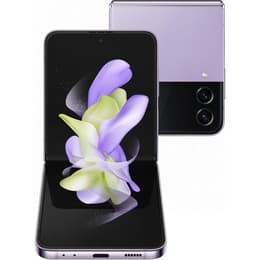
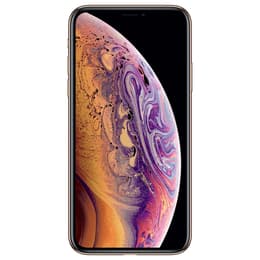
The Samsung Galaxy Z Flip4, released in August 2022, and the Apple iPhone Xs, launched in September 2018, represent distinct approaches to smartphone design and functionality. While the Galaxy Z Flip4 offers a unique foldable form factor running on Android, the iPhone Xs provides a traditional slate design powered by Apple's iOS. These devices cater to different user preferences, primarily differing in their physical design, operating system ecosystems, and the technological advancements introduced at their respective release times.
Colour
Storage
The practical lifespan of a smartphone is influenced by its physical resilience and the duration of software support it receives.
Year of Release
Compatible with latest Update
OS
Foldable
Performance in smartphones is crucial for smooth daily operation, from launching applications to handling demanding tasks.
The display is a primary interface for smartphone interaction, and differences in technology and specifications can significantly impact the visual experience.
Resolution
Screen type
Camera capabilities are a significant factor for many users, and both devices offer distinct photographic experiences.
Main camera
Front camera
Beyond core features, several practical elements contribute to the overall user experience and device utility.
Weight
Screen size (in)
Network
SIM card
Carrier compatibility
Connector
The Samsung Galaxy Z Flip4 and the Apple iPhone Xs offer distinct smartphone experiences, each with its own set of strengths and considerations for different users. The Z Flip4 is often praised for its innovative foldable design, which enhances portability and offers a unique interaction method with its cover screen. Users appreciate the improved battery life over its predecessor and the capable camera system, which benefits from advanced software processing. However, common criticisms include concerns about the long-term durability of the foldable screen and its protective film, occasional software glitches, and the absence of optical zoom. Some users also note that the cover screen's functionality, while useful, could be expanded further.
The iPhone Xs, on the other hand, is lauded for its vibrant OLED display, robust performance for its time, and a camera system that, after initial software refinements, delivers high-quality images with features like Smart HDR. Users generally value the consistent iOS experience and the device's solid build quality with IP68 water and dust resistance. Early user concerns included issues with charging when the screen was off and aggressive skin smoothing in selfies, both of which were largely addressed through software updates. Some users also reported weaker cellular and Wi-Fi reception compared to other devices.
Users prioritizing a modern, compact, and innovative form factor with a longer software update commitment may find the Galaxy Z Flip4 well-suited to their needs. Its unique design makes it a conversation starter and highly pocketable. Conversely, individuals who prefer a traditional, highly refined smartphone experience with a strong emphasis on consistent performance, a proven operating system, and a telephoto camera lens might lean towards the iPhone Xs. Both devices, whether new or as quality-assured refurbished options, provide reliable functionality for their respective target audiences. The choice ultimately depends on whether a user values the cutting-edge, foldable design and extended Android support of the Z Flip4, or the established ecosystem, build, and camera capabilities of the iPhone Xs.