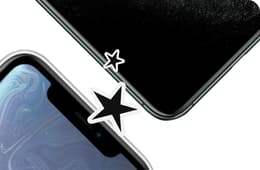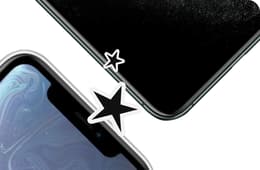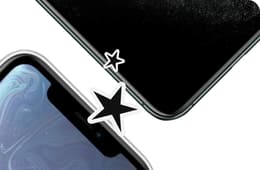
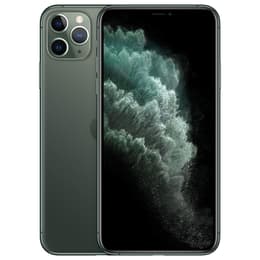


Galaxy Z Flip4 Vs iPhone 11 Pro Max

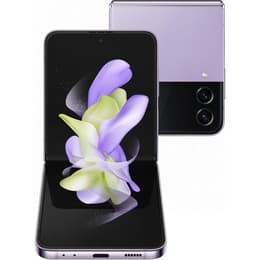
Galaxy Z Flip4
Galaxy Z Flip4
Starting at

Refurbished price:288.00

Versus €1,289.99 new

See options
iPhone 11 Pro Max
iPhone 11 Pro Max
Starting at

Refurbished price:219.00

Versus €939.00 new

See options

Ratings

The Samsung Galaxy Z Flip4, released in August 2022, and the iPhone 11 Pro Max, launched in September 2019, represent distinct approaches to smartphone design and user experience. The primary differentiator lies in their form factor: the Z Flip4 offers a unique foldable design running on Android, while the iPhone 11 Pro Max is a traditional slab phone operating on iOS. These differences extend to their core specifications and how users interact with their devices daily.

Scores

Durability

The release timelines of these devices significantly impact their expected practical lifespan and software support.

  • Release Timeline and Age: The Galaxy Z Flip4, released in August 2022, is a newer device compared to the iPhone 11 Pro Max, which launched in September 2019. This age difference means the Z Flip4 will likely receive software updates for a longer period.
  • OS Support Duration: Apple typically provides iOS updates for 5-6 years from a device's release, suggesting the iPhone 11 Pro Max is nearing the end of its major OS update cycle. Samsung generally offers 4 years of major Android OS updates and 5 years of security updates for its flagship devices, positioning the Z Flip4 to receive updates for several more years.
  • Physical Durability: The iPhone 11 Pro Max features a robust glass and stainless steel construction with IP68 water and dust resistance. The Galaxy Z Flip4, while also offering IPX8 water resistance, introduces a foldable screen protected by Ultra Thin Glass and a hinge mechanism, which requires different handling considerations compared to a rigid display.

Year of Release

2022

2019

Compatible with latest Update

Yes

Yes

OS

Android

iOS

Foldable

Yes

No

Performance

The internal components of both devices contribute to their responsiveness and ability to handle various tasks.

  • Everyday Task Handling: The Galaxy Z Flip4, with its more recent processor, handles demanding applications, complex multitasking, and graphic-intensive games with smooth performance. The iPhone 11 Pro Max, while still capable for general use, may show more hesitation with the most current high-demand applications due to its older processor.
  • Multitasking Capabilities: The Z Flip4 typically includes more RAM, which allows for a greater number of applications to remain open in the background without needing to reload, contributing to a fluid multitasking experience. The iPhone 11 Pro Max, with less RAM, manages multitasking efficiently within the iOS ecosystem but might reload apps more frequently when switching between many active programs.
  • Storage Options: Both devices offer various storage configurations, allowing users to choose based on their needs for apps, photos, and videos. The Z Flip4 starts at 128GB, while the iPhone 11 Pro Max started at 64GB, with both offering higher capacities.

Memory (GB)

8 GB

4 GB

Screen quality

The display technologies and form factors present distinct visual experiences for users.

  • Display Technology and Form Factor: The Galaxy Z Flip4 features a foldable Dynamic AMOLED 2X main display, offering vibrant colors, deep blacks, and a smooth 120Hz refresh rate when unfolded. It also has a smaller Super AMOLED cover screen for quick interactions. The iPhone 11 Pro Max utilizes a Super Retina XDR OLED display, known for its excellent color accuracy, high contrast, and deep blacks, but it is a traditional flat panel with a 60Hz refresh rate.
  • Resolution and Clarity: Both devices offer high-resolution displays that provide sharp text and detailed images for everyday viewing. The Z Flip4's main screen has a resolution of 1080 x 2640 pixels, while the iPhone 11 Pro Max offers 1242 x 2688 pixels, both delivering clear visuals.
  • Brightness and Viewing Experience: The Z Flip4's main display offers high peak brightness, making it suitable for outdoor visibility. The iPhone 11 Pro Max's OLED panel also provides excellent brightness, ensuring good readability in various lighting conditions. The Z Flip4's foldable nature offers a compact form factor when closed, while the iPhone 11 Pro Max provides a consistently flat, expansive viewing area.

Resolution

1080 x 2640

1242 x 2688

Screen type

Foldable Dynamic AMOLED 2X

Super Retina XDR OLED

Audiovisual

Both smartphones offer capable camera systems, but with different strengths and features.

  • Main Camera Performance: The Galaxy Z Flip4 features a dual-camera setup with a 12 MP main sensor and a 12 MP ultrawide sensor, delivering clear photos in good lighting and improved low-light performance compared to its predecessors. The iPhone 11 Pro Max boasts a triple 12 MP camera system, including a main, ultrawide, and a 2x telephoto lens, providing versatility for different shooting scenarios.
  • Photography Features: The iPhone 11 Pro Max introduced features like Night mode for improved low-light photography and Deep Fusion for enhanced detail in medium-light conditions. The Z Flip4 also offers strong low-light capabilities and benefits from its foldable design, allowing for unique shooting angles without a tripod.
  • Video Recording and Audio: Both devices are capable of recording high-quality video. The iPhone 11 Pro Max is known for its consistent video quality across all lenses and excellent audio capture. The Z Flip4 also provides stable video recording and clear audio, with its form factor enabling hands-free video calls and content creation.

Main camera

12 megapixels

12 megapixels

Front camera

10 megapixels

12 megapixels

Miscellaneous

Beyond core features, several practical elements differentiate these two devices.

  • Connectivity and Ports: The Galaxy Z Flip4 supports 5G connectivity, offering faster mobile data speeds where available, alongside Wi-Fi 6 and Bluetooth 5.2. It uses a USB-C port for charging and data transfer. The iPhone 11 Pro Max supports 4G LTE, Wi-Fi 6, and Bluetooth 5.0, utilizing Apple's proprietary Lightning port.
  • Biometric Security: The Z Flip4 integrates a side-mounted fingerprint sensor for secure unlocking and authentication. The iPhone 11 Pro Max relies on Face ID, an advanced facial recognition system, for biometric security.
  • Design and Handling: The Z Flip4's defining feature is its foldable design, allowing it to become significantly more compact when closed, enhancing portability. When unfolded, it offers a tall display. The iPhone 11 Pro Max is a larger, heavier traditional smartphone, providing a substantial feel in hand and a consistent, rigid form factor.

Weight

187 g

226 g

Screen size (in)

6.7

6.5

Network

5G

4G

SIM card

Physical SIM + eSIM

Physical SIM + eSIM

Carrier compatibility

Unlocked

Unlocked

Connector

USB-C

Lightning

User feedback for the Galaxy Z Flip4 often highlights its innovative foldable design as a major draw, praised for its compact size and unique interaction possibilities with the cover screen. Some users appreciate the improved battery life over previous Flip models and the enhanced camera performance. Criticisms sometimes point to the crease in the main display and concerns about long-term hinge durability, though Samsung has made strides in this area. The iPhone 11 Pro Max is frequently lauded for its robust build quality, excellent battery life for its time, and a highly capable, versatile camera system that delivers consistent results. Common feedback includes its substantial weight and size, which some users find less comfortable for one-handed use, and the absence of a high refresh rate display.

Users prioritizing a compact, innovative form factor and the latest Android features, including 5G connectivity, may find the Galaxy Z Flip4 well-suited to their needs. Its unique design offers a fresh approach to smartphone interaction. Conversely, users who value a consistently reliable, traditional smartphone experience with a strong camera system, long-term software support (from its release date), and a familiar iOS ecosystem might lean towards the iPhone 11 Pro Max. Both devices, whether new or as a quality-assured refurbished option, offer distinct advantages depending on individual preferences and usage patterns.


See all articles

Our recent comparisons