

Galaxy Z Flip3 5G Vs Google Pixel 7

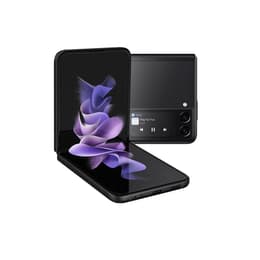
Galaxy Z Flip3 5G
Galaxy Z Flip3 5G
Starting at

Refurbished price:154.00

Versus €999.00 new

See options
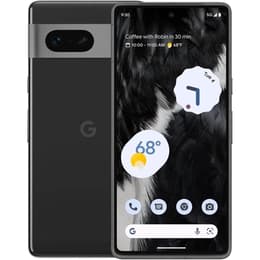
Google Pixel 7
Google Pixel 7
Starting at

Refurbished price:160.00

Versus €756.00 new

See options

Ratings

The Samsung Galaxy Z Flip3 5G, released in August 2021, and the Google Pixel 7, launched in October 2022, offer distinct approaches to the modern smartphone experience. While both run on the Android operating system, the Z Flip3 introduces a unique foldable design, contrasting with the Pixel 7's traditional slab form factor. These core differences influence their durability, portability, and overall user interaction.

Scores

Durability

When considering the longevity of these devices, their release timelines and software support policies are key factors.

  • Release Timeline: The Galaxy Z Flip3 5G was released in August 2021, making it over a year older than the Google Pixel 7, which launched in October 2022. This age difference impacts their remaining software support window.
  • Software Support: The Galaxy Z Flip3 5G was promised three years of Android OS updates and four to five years of security updates, with its OS updates concluding around Android 15 (One UI 7) in September 2025. The Google Pixel 7, on the other hand, is guaranteed five years of both OS and security updates from its release date, extending its support until October 2027, potentially receiving Android 18.
  • Physical Durability: The Pixel 7 features an IP68 rating for dust and water resistance, along with Gorilla Glass Victus on both its front and back. The Z Flip3 5G offers IPX8 water resistance but lacks official dust resistance due to its folding mechanism, and its internal foldable screen is inherently softer than traditional glass, though the exterior features Gorilla Glass Victus.

Year of Release

2021

2022

Compatible with latest Update

Yes

Yes

OS

Android

Android

Foldable

Yes

No

Performance

Both devices are designed to handle daily tasks efficiently, though their underlying hardware and battery characteristics present different usage profiles.

  • Everyday Responsiveness: The Galaxy Z Flip3 5G, powered by a high-end processor from its release year, offers smooth performance for general applications and multitasking. The Pixel 7, with its custom-designed processor, provides a fluid Android experience, excelling in tasks that leverage its machine learning capabilities, such as image processing and voice recognition.
  • Multitasking and Storage: Both phones typically come with 8GB of RAM and offer 128GB or 256GB storage options, providing ample space for apps and media, and allowing for efficient switching between multiple applications.
  • Battery Behavior: The Galaxy Z Flip3 5G has a 3300 mAh battery, which users often report as requiring frequent charging, especially with heavy use or when utilizing the 120Hz display. The Pixel 7 features a larger 4355 mAh battery, with user experiences varying; some find it sufficient for a full day, while others note it may not stand out for extended heavy usage.

Memory (GB)

8 GB

8 GB

Screen quality

The display technologies and form factors of these two smartphones offer distinct visual and interactive experiences.

  • Main Display Technology: The Galaxy Z Flip3 5G features a 6.7-inch Foldable Dynamic AMOLED 2X main display with a 120Hz adaptive refresh rate, providing smooth scrolling and vibrant colors. The Pixel 7 has a 6.3-inch AMOLED display with a 90Hz refresh rate, offering clear visuals and a responsive touch experience.
  • Resolution and Clarity: Both devices offer Full HD+ resolutions on their main screens, ensuring sharp text and detailed images for typical viewing distances. The Z Flip3's main screen is 1080 x 2640 pixels, while the Pixel 7's is 1080 x 2400 pixels.
  • Brightness and Outdoor Visibility: Both phones provide sufficient brightness for comfortable indoor use. The Z Flip3's main screen can reach high peak brightness levels, aiding visibility in bright outdoor conditions. The Pixel 7's display also offers good outdoor visibility, with users reporting adequate brightness for various environments.
  • Unique Display Feature: The Z Flip3 5G includes a 1.9-inch Super AMOLED cover screen, allowing users to view notifications, control music, and take quick selfies without unfolding the device. The Pixel 7 offers a traditional, uninterrupted full-screen experience.

Resolution

1080 x 2640

1080 x 2400

Screen type

Foldable Dynamic AMOLED 2X

AMOLED

Audiovisual

The camera systems on the Galaxy Z Flip3 5G and Google Pixel 7 approach photography with different strengths and capabilities.

  • Rear Camera System: The Galaxy Z Flip3 5G features a dual-camera setup with a 12MP wide-angle lens and a 12MP ultrawide lens. The Pixel 7 also has a dual-camera system, but with a higher-resolution 50MP wide-angle main sensor and a 12MP ultrawide lens, known for its advanced computational photography.
  • Photography Performance: The Pixel 7 is widely praised for its consistent image quality, natural colors, and strong low-light performance, often producing detailed and well-exposed photos across various conditions. The Z Flip3 5G's cameras are capable for everyday shots, but some users note that its dynamic range and low-light capabilities are not as advanced as other flagship devices. Neither phone includes a dedicated telephoto lens.
  • Video Recording and Front Camera: Both devices offer good video recording capabilities. The Z Flip3 has a 10MP front camera, while the Pixel 7 features a 10.8MP front camera, which users report as capable of producing sharp selfies. The Z Flip3's cover screen can also act as a viewfinder for its main cameras, offering flexibility for high-quality selfies.

Main camera

12 megapixels

50 megapixels

Front camera

10 megapixels

10.8 megapixels

Miscellaneous

Beyond core features, several practical elements differentiate the user experience of these two smartphones.

  • Connectivity Standards: Both devices support 5G connectivity for fast mobile data. The Galaxy Z Flip3 5G includes Wi-Fi 6 and Bluetooth 5.1, while the Pixel 7 offers the newer Wi-Fi 6e and Bluetooth 5.2, potentially providing faster and more stable wireless connections.
  • Biometric Security: The Galaxy Z Flip3 5G uses a side-mounted fingerprint sensor integrated into the power button. The Pixel 7 features an under-display optical fingerprint scanner and also includes face unlock for convenient access.
  • Physical Design and Handling: The Z Flip3 5G's defining characteristic is its foldable design, allowing it to become very compact when closed, making it highly portable. The Pixel 7 maintains a traditional smartphone form factor, weighing 197g, which is slightly heavier than the Z Flip3's 183g. The Z Flip3's hinge mechanism and the softer nature of its internal display require a different approach to handling compared to the rigid glass construction of the Pixel 7.

Weight

183 g

197 g

Screen size (in)

6.7

6.3

Network

5G

5G

SIM card

Physical SIM + eSIM

Physical SIM + eSIM

Carrier compatibility

Unlocked

Unlocked

The Samsung Galaxy Z Flip3 5G and Google Pixel 7 cater to different user preferences, each with its own set of strengths and considerations.

Users often praise the Z Flip3 for its unique, compact foldable design, which offers a fresh take on smartphone portability and a satisfying tactile experience. Its larger cover screen was a notable improvement, enhancing quick interactions. However, common criticisms include its battery life, which many users find to be shorter than traditional smartphones, often requiring mid-day charging. The durability of the foldable screen and the lack of dust resistance are also frequent concerns.

The Google Pixel 7 is frequently lauded for its exceptional camera performance, particularly its computational photography capabilities that deliver consistent and high-quality images across various lighting conditions. Its clean Android software experience and extended software support are also strong points for users. Some users have noted that while its battery life is generally adequate, it may not be outstanding for very heavy usage.

Users prioritizing a highly portable, stylish device with a unique folding form factor and who are comfortable with more frequent charging may find the Galaxy Z Flip3 5G well-suited to their needs. Conversely, those who value a top-tier camera, a pure Android software experience with long-term updates, and robust overall durability in a traditional smartphone design will likely lean towards the Google Pixel 7. Both devices represent solid choices within their respective categories, and exploring quality-assured refurbished options can provide an eco-friendly alternative for either model.

See all articles

Our recent comparisons