

Galaxy S23 FE Vs Galaxy S25+

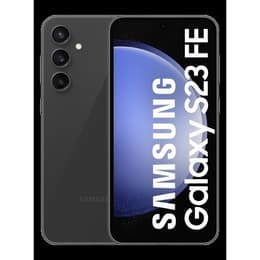
Galaxy S23 FE
Galaxy S23 FE
Starting at

Refurbished price:226.00

Versus €708.98 new

See options
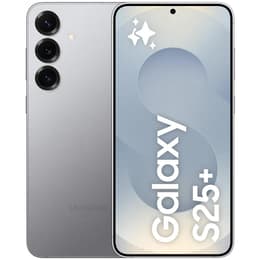
Galaxy S25+
Galaxy S25+
Starting at

Refurbished price:624.00

Versus €1,401.57 new

See options

Ratings

The Samsung Galaxy S23 FE, released in October 2023, and the Samsung Galaxy S25 Plus, launched in January 2025, are both Android smartphones from Samsung's diverse lineup. While the S23 FE aims to deliver a balanced experience with flagship-like features, the S25 Plus represents a more recent iteration of Samsung's premium offerings, featuring advanced internal components and a larger, more refined display. Both devices operate on the Android platform, offering access to a wide ecosystem of applications and services.

Scores

Durability

The practical lifespan of a smartphone is significantly influenced by its release timeline and the manufacturer's software support policy.

  • Software Support: The Galaxy S23 FE, launched with Android 13, is eligible for four major Android OS updates, extending its support up to Android 17, along with five years of security updates. In contrast, the Galaxy S25 Plus, released with Android 15, benefits from Samsung's extended commitment, offering seven years of both OS and security updates, ensuring a longer period of current software features and protection.
  • Physical Durability: Both devices feature an IP68 rating for dust and water resistance, indicating protection against submersion in up to 1.5 meters of fresh water for 30 minutes. The Galaxy S23 FE utilizes Gorilla Glass 5 on its front and back panels, providing a good level of scratch and drop resistance. The Galaxy S25 Plus, being a newer model, incorporates Gorilla Glass Victus 2 for enhanced screen and back panel protection, coupled with an Armor Aluminum frame for increased structural integrity.
  • Expected Lifespan: Users prioritizing the longest possible software longevity and the most advanced physical protection will find the Galaxy S25 Plus more aligned with their needs. The S23 FE still offers substantial support, making it a viable option for those who typically upgrade their devices within a five-year cycle.

Year of Release

2023

2025

Compatible with latest Update

Yes

Yes

OS

Android

Android

Foldable

No

No

Performance

Performance in daily use is a key differentiator, with the internal components dictating how smoothly applications run and how efficiently the device manages power.

  • Processing Power: The Galaxy S23 FE is equipped with a processor that was a top-tier option in 2022, providing capable performance for everyday tasks, multitasking, and moderate gaming. The Galaxy S25 Plus features a newer generation processor, built on a more efficient 3nm manufacturing process. This newer chip is designed to handle more demanding applications, complex multitasking, and advanced on-device AI features with greater responsiveness and efficiency.
  • Memory and Storage: The S23 FE typically comes with 8GB of RAM, which is sufficient for most user scenarios. The S25 Plus generally includes 12GB of RAM, offering more headroom for intensive applications and seamless switching between numerous open apps. Both devices offer various internal storage options, with the S25 Plus starting at a higher base storage capacity.
  • Battery Behavior: The Galaxy S23 FE houses a 4500 mAh battery, which generally provides all-day power for average use, though heavy users may require more frequent charging. The Galaxy S25 Plus features a 4900 mAh battery. Combined with its more power-efficient processor, the S25 Plus is expected to offer extended battery life, potentially lasting longer even under heavier workloads.

Memory (GB)

8 GB

12 GB

Screen quality

The display is the primary interface for interaction, and differences in screen technology, size, and resolution can significantly impact the user experience.

  • Display Technology and Size: Both smartphones feature Dynamic AMOLED 2X displays with a 120Hz refresh rate, ensuring fluid scrolling and vibrant colors. The Galaxy S23 FE has a 6.4-inch screen, offering a comfortable viewing area for most users. The Galaxy S25 Plus provides a larger 6.7-inch display, which enhances the immersive experience for media consumption and productivity.
  • Resolution and Brightness: The S23 FE features a Full HD+ resolution (1080 x 2340 pixels) and a peak brightness of 1450 nits, delivering clear visuals and good outdoor visibility. The S25 Plus steps up to a WQHD+ resolution (3120 x 1440 pixels), offering a noticeably sharper image, particularly for detailed content. Its peak brightness of 2600 nits significantly improves visibility in bright sunlight and enhances HDR content.
  • Viewing Experience: Users who prefer a more compact device for easier one-handed use might lean towards the S23 FE. Those who prioritize a larger, more detailed, and brighter display for gaming, video editing, or extensive media viewing will find the S25 Plus's screen capabilities more appealing.

Resolution

1080 x 2340

1440 x 3120 pixels

Audiovisual

Both devices offer versatile camera systems designed to capture a range of photographic and videographic content, though with some distinctions in their capabilities.

  • Rear Camera System: The Galaxy S23 FE features a triple-camera setup with a 50MP main sensor, a 12MP ultrawide lens, and an 8MP telephoto lens capable of 3x optical zoom. The Galaxy S25 Plus also comes with a triple-camera system, including a 50MP main sensor, a 12MP ultrawide lens, and a 10MP telephoto lens with 3x optical zoom. While the main and ultrawide sensors are similar in resolution, the S25 Plus's telephoto lens offers a slightly higher megapixel count. Both are capable of recording video in up to 8K resolution at 24fps.
  • Front Camera and Photography Features: The S23 FE is equipped with a 10MP front-facing camera. The S25 Plus features a 12MP front camera, potentially offering slightly more detail in selfies and video calls. The newer processor in the S25 Plus may also contribute to improved image processing, leading to better low-light performance and overall photo quality.
  • Audio Experience: Both smartphones are expected to deliver a robust audio experience with stereo speakers, suitable for media consumption and clear call quality. The S25 Plus may benefit from newer audio processing technologies due to its more recent release.

Front camera

10 megapixels

12MP

Miscellaneous

Beyond the core specifications, several practical elements contribute to the overall user experience and connectivity of these devices.

  • Connectivity: The Galaxy S23 FE supports 5G networks, Wi-Fi 6E, and Bluetooth 5.3, providing fast wireless communication and efficient connections to accessories. The Galaxy S25 Plus, as a newer model, upgrades to Wi-Fi 7, offering even faster and more stable wireless internet speeds, while retaining Bluetooth 5.3 for device pairing. Both devices support modern 5G cellular connectivity.
  • Ports and Biometrics: Both smartphones utilize a USB-C port for charging and data transfer. Neither device includes a traditional 3.5mm headphone jack. For security, the S23 FE features an optical under-display fingerprint sensor. The S25 Plus incorporates an ultrasonic under-display fingerprint sensor, which typically offers faster and more reliable authentication.
  • Physical Attributes: The Galaxy S23 FE measures 158.0 x 76.5 x 8.2 mm and weighs 209g. The Galaxy S25 Plus is slightly larger and thinner at 158.4 x 75.8 x 7.3mm and weighs 190g. These differences mean the S23 FE is a bit more compact and heavier, while the S25 Plus offers a larger screen in a slightly lighter and thinner form factor, potentially impacting one-handed use and pocketability.

Weight

209 g

190 g

Screen size (in)

6.4

6.7

Network

5G

5G

SIM card

Physical SIM

Physical SIM + eSIM

Carrier compatibility

Unlocked

Unlocked

The Samsung Galaxy S23 FE and Galaxy S25 Plus cater to slightly different user priorities within the Android smartphone market. Users often praise the Galaxy S23 FE for its balanced feature set, offering a solid camera, a vibrant display, and reliable performance for its segment. Some common criticisms have included its processor being a generation older than contemporary flagships at its release, which could impact long-term performance expectations for the most demanding tasks, and its battery life, which some heavy users found to require more frequent charging.

The Galaxy S25 Plus, on the other hand, is generally lauded for its cutting-edge performance, significantly brighter and higher-resolution display, and the promise of extended software support. User expectations for the S25 Plus often revolve around its enhanced camera capabilities, particularly in challenging lighting conditions, and its overall responsiveness due to the newer, more efficient processor. Potential concerns might include its larger physical size for those preferring a more compact device.

Users prioritizing a highly capable device for everyday use, good photography, and a comfortable form factor, without needing the absolute latest technological advancements, may find the Galaxy S23 FE well-suited to their needs. It offers a robust experience for general productivity, social media, and media consumption. Conversely, users who demand the highest levels of performance for gaming, advanced photo and video editing, a larger and more immersive display, and the longest possible software longevity will likely lean towards the Galaxy S25 Plus. Its superior display and more powerful internals make it ideal for power users and those who keep their devices for many years.

For those considering either device, exploring quality-assured refurbished options can provide an eco-friendly alternative, allowing access to these technologies while supporting sustainable choices.


See all articles

Our recent comparisons