

Galaxy Tab S8+ (12.4", 2022) Vs Galaxy Tab S9 (11.0", 2023)

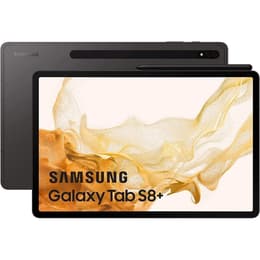
Galaxy Tab S8+ (12.4", 2022)
Starting at

Refurbished price:479.00

Versus €999.00 new

See options
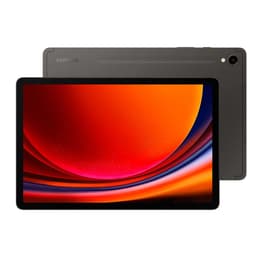
Galaxy Tab S9 (11.0", 2023)
Starting at

Refurbished price:491.00

Versus €1,219.00 new

See options

Ratings

The Samsung Galaxy Tab S8 Plus, released in 2022, and the Samsung Galaxy Tab S9, launched in 2023, are premium Android tablets from Samsung's flagship lineup. While both offer a high-end tablet experience, they differ primarily in their display size, internal processing power, and environmental resistance. Both devices operate on the Android platform, providing a consistent software ecosystem.

Scores

Durability

The longevity of a tablet is influenced by its release timeline, software support, and physical resilience. The Galaxy Tab S8 Plus and Galaxy Tab S9, as part of Samsung's premium 'S' series, benefit from extended software support policies.

  • Release Timeline: The Galaxy Tab S8 Plus was released in February 2022, while the Galaxy Tab S9 followed in August 2023. This difference means the Tab S9 will receive major Android operating system updates and security patches for approximately one year longer than its predecessor.
  • Software Longevity: Samsung typically provides four generations of Android OS updates and five years of security updates for its flagship tablets, starting with the Tab S8 series. Therefore, the Galaxy Tab S9 is expected to maintain software currency for a longer period.
  • Physical Durability: A notable enhancement in the Galaxy Tab S9 is its IP68 rating for water and dust resistance, a feature absent in the Galaxy Tab S8 Plus. This makes the Tab S9 more resilient to environmental factors, potentially extending its practical lifespan in varied usage conditions.

Year of Release

2022

2023

Compatible with latest Update

Yes

Yes

OS

Android

Android

Performance

Performance in tablets is crucial for smooth multitasking, demanding applications, and responsive user interaction. Both the Galaxy Tab S8 Plus and Galaxy Tab S9 offer robust capabilities, though with generational differences.

  • Processing Power: The Galaxy Tab S9 features a newer generation processor, which translates to more efficient handling of demanding applications, faster data processing, and improved performance in graphically intensive tasks like gaming. Users engaging in heavy video editing or advanced creative work may notice the difference.
  • Multitasking and Responsiveness: Both tablets are equipped with ample RAM, typically starting at 8GB, ensuring smooth transitions between applications and efficient multitasking. The newer processor in the Tab S9 contributes to a slightly more fluid overall system responsiveness, particularly when managing numerous background processes.
  • Storage Options: Both models offer base storage configurations of 128GB or 256GB, with the flexibility to expand storage up to 1TB via a microSD card. This allows users to store a large volume of files, applications, and media.

Memory (GB)

8 GB

8 GB

Processor

Qualcomm SM8450 Snapdragon 8 Gen 1

Qualcomm SM8550-AC Snapdragon 8 Gen 2

Screen quality

The visual experience is a cornerstone of tablet usage, and both Samsung models deliver high-quality displays, though with distinct characteristics.

  • Display Technology: The Galaxy Tab S8 Plus features a 12.4-inch Super AMOLED display, known for its deep blacks and vibrant colors. The Galaxy Tab S9, while smaller at 11.0 inches, upgrades to a Dynamic AMOLED 2X panel, offering enhanced brightness and color accuracy, particularly in challenging lighting conditions.
  • Resolution and Clarity: Both tablets provide sharp visuals with high resolutions (2800x1752 for S8 Plus, 2560x1600 for S9), resulting in clear text and detailed images. The pixel density is comparable, ensuring a crisp viewing experience for reading, browsing, and media consumption.
  • Refresh Rate and Smoothness: Both devices boast a 120Hz refresh rate, providing exceptionally smooth scrolling and fluid animations. The Galaxy Tab S9's display is adaptive, meaning it can dynamically adjust its refresh rate to optimize battery life while maintaining a smooth experience.

Resolution

1752 x 2800

1600 x 2560

Screen type

Super AMOLED

Dynamic AMOLED 2X

Pixel density

270ppp

280ppp

Audiovisual

While tablets are not typically primary photography devices, their cameras are useful for video calls, document scanning, and casual photography. Both the Galaxy Tab S8 Plus and Galaxy Tab S9 offer capable camera systems and audio features.

  • Rear Camera System: The Galaxy Tab S8 Plus includes a dual-camera setup on the rear, featuring a 13-megapixel main sensor and a 6-megapixel ultrawide sensor. The Galaxy Tab S9 simplifies this to a single 13-megapixel main rear camera. Both are suitable for capturing everyday moments and scanning documents.
  • Front Camera Performance: Both tablets are equipped with a 12-megapixel ultrawide front-facing camera, which is well-suited for video conferencing and selfies. This camera provides clear images and supports features like auto-framing for video calls.
  • Audio Experience: Both models feature quad speakers, delivering a rich and immersive audio experience for media consumption. The microphone quality on both is designed to provide clear audio during calls and recordings.

Miscellaneous

Beyond core specifications, several practical elements contribute to the overall user experience and daily usability of these tablets.

  • Connectivity: Both tablets support modern connectivity standards, including Wi-Fi 6E for fast wireless internet and Bluetooth for accessories. The Galaxy Tab S8 Plus also offered optional 5G connectivity, while the Tab S9 also supports Wi-Fi Direct.
  • Physical Design and Handling: The Galaxy Tab S8 Plus, with its 12.4-inch screen, is larger and heavier (around 567g) than the 11.0-inch Galaxy Tab S9 (around 498g). This size difference impacts portability and one-handed use, with the Tab S9 being more compact and lighter. Both feature a premium aluminum build.
  • S Pen Integration: Both tablets come with an S Pen included, offering a natural writing and drawing experience. The S Pen on the Tab S9 is also IP68 water and dust resistant, matching the tablet's durability.

Weight

567 g

129 g

Screen size (in)

12.4

11.0

Network

Wi-Fi

Wi-Fi

Carrier compatibility

Without SIM Port

Unlocked

Connector

USB Type-C

USB Type-C

User sentiment for both the Galaxy Tab S8 Plus and Galaxy Tab S9 generally highlights their strong performance and excellent displays. Users frequently praise the Tab S8 Plus for its expansive Super AMOLED screen, which provides an immersive viewing experience for media and productivity tasks. Its robust performance is often noted as sufficient for most daily activities and even more demanding applications.

The Galaxy Tab S9 receives acclaim for its upgraded Dynamic AMOLED 2X display, which offers improved brightness and color accuracy, making it a standout for content consumption. Its newer processor is recognized for delivering a smoother and more efficient experience, particularly for users who push their devices with intensive tasks. The addition of IP68 water and dust resistance is also a frequently appreciated upgrade, offering peace of mind for use in various environments. Some users, however, note that the battery life of the Tab S9, while solid, might not be as long-lasting as its predecessor due to a smaller battery capacity, despite the more efficient processor.

Users prioritizing a larger screen for extensive media viewing or a more expansive workspace may find the Galaxy Tab S8 Plus well-suited to their needs. Its slightly larger battery capacity could also appeal to those who value longer usage between charges. Conversely, users who prioritize portability, the latest processing power, enhanced display technology, and environmental resistance will likely lean towards the Galaxy Tab S9. Its more compact size makes it easier to handle and transport, while the IP68 rating adds a layer of durability. Both tablets represent quality-assured options, and considering a refurbished model can be an eco-friendly alternative for acquiring these capable devices.

See all articles

Our recent comparisons