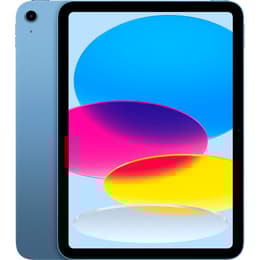


Compare models
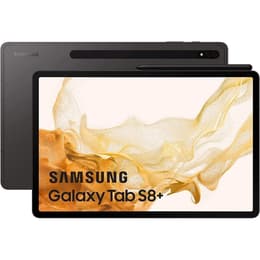
Galaxy Tab S8+ (12.4", 2022) Vs iPad 11 (2025, A16 series)
- 1-year minimum warranty
- Free delivery on all orders
- Free 30-day returns
Differences at a glance
The Samsung Galaxy Tab S8+ (2022) and the Apple iPad 11 (2025) represent two distinct approaches to modern tablet computing, balancing media consumption, productivity, and portability. While the Galaxy Tab S8+ offers a larger, vibrant display with an included stylus, the iPad 11 (2025) provides a streamlined software experience powered by current-generation mobile hardware. Both devices serve different ecosystem preferences and workflow requirements, running on Android and iPadOS respectively.
Available Models
Colour
Storage (GB)
Scores
Durability
Evaluating the lifecycle and maintenance expectations of these tablets reveals distinct differences in release timelines, software longevity, and physical upkeep.
- Release timeline and software support: The Galaxy Tab S8+ debuted in early 2022, while the iPad 11 entered the market in 2025, granting the Apple device a newer baseline for ongoing software updates and security patches.
- Repairability and physical endurance: Both models utilize sturdy aluminum frames and glass panels, scoring similarly in structural durability while relying on manufacturer-supported service channels for major component repairs.
- Expected practical lifespan: Users choosing a quality-assured refurbished option can expect several years of reliable daily operation from either platform, though the newer iPad model benefits from a later starting point in update cycles.
Year of Release
2022
2025
Compatible with latest Update
Yes
Yes
OS
Android
iPadOS
Performance
System responsiveness and everyday multitasking capabilities differ due to generational hardware variations and software architecture.
- Everyday responsiveness: Both devices handle standard web browsing, streaming, and document editing smoothly, though newer hardware iterations provide slight advantages in demanding applications.
- Multitasking and memory: The Galaxy Tab S8+ pairs its generous RAM allocation with split-screen windowing, whereas the iPad 11 relies on iPadOS slide-over and stage management features for handling multiple tasks simultaneously.
- Battery behavior: Typical usage scenarios yield a full day of mixed work and media playback on both tablets, with charging speeds varying depending on the adapter used.
Screen quality
Visual immersion and panel technologies set these two screens apart significantly during media playback and reading tasks.
- Display technology: The Galaxy Tab S8+ features a large 12.4-inch Super AMOLED panel delivering deep contrast and vivid colors, while the iPad 11 uses a traditional 10.9-inch IPS LCD screen focused on natural color reproduction.
- Brightness and outdoor visibility: Both screens offer adequate brightness for indoor use, though direct sunlight viewing requires higher peak luminance levels handled effectively by adaptive display settings on both models.
- Refresh rate and smoothness: The Samsung display supports a high refresh rate for fluid scrolling and responsive stylus input, whereas the iPad maintains a standard refresh rate suitable for typical viewing tasks.
Resolution
1752 x 2800
2360 x 1640
Screen type
Super AMOLED
Liquid Retina display
Pixel density
270ppp
264ppp
Audiovisual
Optics and audio reproduction are tailored toward casual video calls, document scanning, and media consumption.
- Camera systems: The Galaxy Tab S8+ includes dual rear sensors alongside a capable front-facing camera, while the iPad 11 features a streamlined single rear camera paired with an ultra-wide landscape front shooter optimized for video conferences.
- Audio output: Quad stereo speakers tuned for media playback deliver rich sound on the Samsung device, whereas the iPad 11 utilizes a balanced stereo speaker setup that maintains clear dialogue during video calls.
- Microphone performance: Integrated multi-microphone arrays on both tablets isolate background noise effectively during online meetings and voice notes.
Miscellaneous
Physical dimensions, connectivity standards, and daily handling characteristics define how easily each tablet integrates into travel or workspace setups.
- Portability and handling: The iPad 11 is lighter and more compact due to its smaller screen size, making it convenient for single-handed reading, while the larger Galaxy Tab S8+ offers expansive workspace estate at the expense of a heavier footprint.
- Connectivity options: Both models support modern Wi-Fi networks and optional cellular connectivity, utilizing universal USB-C ports for charging and data transfer.
- Biometric security: The Samsung tablet integrates an under-display optical fingerprint scanner, whereas the iPad utilizes a Touch ID sensor embedded in the top power button.
Weight
567 g
481 g
Screen size (in)
12.4
11
Network
Wi-Fi
Wi-Fi + 5G
Carrier compatibility
Without SIM Port
Unlocked
What the community thinks
User discussions across community forums frequently highlight the Galaxy Tab S8+ for its expansive OLED display and the inclusion of a responsive stylus, making it a favorite for note-takers and media enthusiasts. Conversely, owners of the iPad 11 often praise its intuitive operating system layout and reliable daily performance within the Apple ecosystem. Common criticisms center around the lack of expandable storage on the Apple device and the older processor generation found in the Samsung model.
Users prioritizing a spacious, high-contrast screen for movies and drawing will find the Galaxy Tab S8+ well-suited to their needs. Meanwhile, individuals seeking a compact, straightforward tablet for everyday web browsing and app use may lean toward the iPad 11. Choosing between these devices depends largely on preferred software ecosystems and screen size requirements. Opting for a quality-assured refurbished option provides a sustainable choice that extends device lifecycles while reducing electronic waste.