
Galaxy Tab S8 Ultra (14.6", 2022) Vs iPad Pro (2021, M1 series)

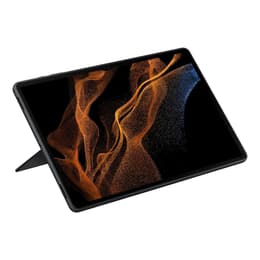
Galaxy Tab S8 Ultra (14.6", 2022)
Starting at

Refurbished price:622.00

Versus €1,249.00 new

See options
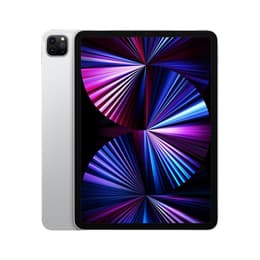
iPad Pro (2021, M1 series)
Starting at

Refurbished price:462.00

Versus €909.00 new

See options

Ratings

The Samsung Galaxy Tab S8 Ultra, released in 2022, and the Apple iPad Pro M1 Series, launched in 2021, represent high-end tablets designed for demanding users. While both offer expansive displays and powerful internal components, they diverge significantly in their operating systems, with the Tab S8 Ultra running Android and the iPad Pro utilizing iPadOS. This comparison will explore their practical differences, helping users determine which device best suits their needs for productivity, creativity, and entertainment.

Scores

Durability

When considering the long-term usability of a tablet, factors like software support and physical resilience are important. Both devices feature robust builds, but their expected software longevity and repairability approaches differ.

  • Software Support: The Galaxy Tab S8 Ultra is expected to receive four major Android OS upgrades and five years of security updates, with OS updates potentially concluding around 2026 and security updates in 2027. In contrast, the iPad Pro M1 Series is anticipated to receive a longer period of software support, with estimates suggesting 7 to 10 years of total updates.
  • Physical Durability: The Galaxy Tab S8 Ultra features an Armor Aluminum frame, contributing to its structural integrity. Despite its thin profile, it has demonstrated surprising resilience in bend tests, often surviving without breaking. The iPad Pro models, while also featuring aluminum unibodies, have had varied results in bend tests, with some earlier models showing fragility, though the 2021 model generally holds up better, sometimes with a permanent bend.
  • Repairability: Repairability scores for iPads are generally low due to extensive use of adhesive, making screen and battery replacements challenging. The Galaxy Tab S8 Ultra received a repairability score of 5.5 out of 10, indicating that while challenging, some components are replaceable.

Year of Release

2022

2021

Compatible with latest Update

Yes

Yes

OS

Android

iPadOS

Performance

Both tablets are equipped with high-performance processors designed to handle demanding tasks, though their architectural approaches and real-world performance characteristics vary.

  • Processing Power: The iPad Pro M1 Series is powered by a chip known for its exceptional performance, consistently delivering smooth operation across a wide range of applications, from intensive video editing to complex 3D rendering. Users often describe its performance as robust and capable of handling virtually any task without slowdowns, even after several years of use. The Galaxy Tab S8 Ultra features a current-generation processor that provides a snappy and responsive Android experience, adept at multitasking and running graphically intensive games.
  • Multitasking and Responsiveness: The iPad Pro's hardware is often noted for being "overpowered" for the current capabilities of iPadOS, suggesting significant headroom for future software advancements and demanding workflows. The Galaxy Tab S8 Ultra offers a fluid multitasking experience within the Android ecosystem, allowing users to run multiple applications simultaneously with ease.
  • Storage and RAM: Both devices offer various storage configurations, with the iPad Pro M1 Series providing options up to 2TB, and the Galaxy Tab S8 Ultra up to 512GB, both expandable via microSD card. The amount of RAM on both devices is sufficient for smooth operation, with higher RAM configurations on both models supporting more intensive multitasking and professional applications.

Memory (GB)

8 GB

8 GB

Screen quality

The visual experience on both tablets is a highlight, with each offering a distinct display technology and size that caters to different preferences.

  • Display Technology and Size: The Galaxy Tab S8 Ultra boasts a large 14.6-inch Super AMOLED display, which is praised for its deep blacks, vibrant colors, and high contrast. The iPad Pro M1 Series (12.9-inch model) features a Liquid Retina XDR mini-LED display, known for its exceptional brightness, precise local dimming, and accurate color reproduction, making it suitable for professional creative work.
  • Resolution and Clarity: Both tablets offer high-resolution displays, ensuring sharp text and detailed images. The Tab S8 Ultra's 2960 x 1848 resolution and the iPad Pro 12.9-inch's 2732 x 2048 resolution provide excellent clarity for media consumption, document viewing, and creative tasks.
  • Refresh Rate and Brightness: Both devices feature a 120Hz refresh rate, contributing to smooth scrolling and responsive interactions. The iPad Pro's mini-LED technology allows for very high peak brightness, which can be advantageous in bright environments or for HDR content, though some users note potential "blooming" around bright objects on dark backgrounds. The Tab S8 Ultra's AMOLED display also offers excellent brightness and is well-regarded for its visual impact.

Resolution

1848 x 2960

2388 x 1668

Screen type

Super AMOLED

Liquid Retina display

Pixel density

240ppp

264ppp

Audiovisual

While tablets are not typically primary photography devices, both the Galaxy Tab S8 Ultra and iPad Pro M1 Series offer capable camera systems for video calls, document scanning, and casual photography.

  • Front Camera Capabilities: The Galaxy Tab S8 Ultra features a dual front camera setup, including a 12MP wide and a 12MP ultrawide lens, which are well-suited for high-quality video calls. The iPad Pro M1 Series includes a 12MP ultrawide front camera with Center Stage, a feature that automatically keeps the user in the frame during video calls.
  • Rear Camera Systems: On the rear, the Tab S8 Ultra has a 13MP wide and a 6MP ultrawide camera. The iPad Pro M1 Series offers a 12MP wide and a 10MP ultrawide camera, complemented by a LiDAR scanner that enhances augmented reality experiences and improves autofocus in low-light conditions.
  • Video Recording and Audio: Both tablets are capable of recording high-quality video. For audio, the Galaxy Tab S8 Ultra features quad speakers with Dolby Atmos support, providing a rich sound experience for media consumption. The iPad Pro also offers a robust quad-speaker system, delivering clear and immersive audio.

Miscellaneous

Beyond core specifications, several practical features and design elements differentiate these two high-end tablets, influencing their daily usability.

  • Connectivity and Ports: The Galaxy Tab S8 Ultra supports Wi-Fi 6E and Bluetooth 5.2, offering advanced wireless connectivity. It includes a USB-C 3.2 port. The iPad Pro M1 Series supports Wi-Fi 6 and Bluetooth 5.0, and features a versatile USB-C port with Thunderbolt/USB 4 capabilities, allowing for faster data transfer and broader accessory compatibility.
  • Stylus Integration: A key differentiator is the included S Pen with the Galaxy Tab S8 Ultra, offering a natural writing and drawing experience right out of the box. The Apple Pencil 2nd Gen, while highly regarded for its precision and low latency, is sold separately for the iPad Pro.
  • Design and Handling: The Tab S8 Ultra is notably thin at 5.5mm and features a large 14.6-inch display, which some users find can be unwieldy for one-handed use or in portrait orientation. The iPad Pro 12.9-inch is slightly thicker at 6.4mm and weighs less, potentially offering a more balanced feel for some users. Both devices incorporate biometric security, with the Tab S8 Ultra featuring an in-display fingerprint scanner and the iPad Pro utilizing Face ID.

Weight

726 g

466 g

Screen size (in)

14.6

11

Network

Wi-Fi + 5G

Wi-Fi

Carrier compatibility

Unlocked

Without SIM Port

Choosing between the Galaxy Tab S8 Ultra and the iPad Pro M1 Series largely depends on individual priorities and ecosystem preferences. Users frequently praise the Galaxy Tab S8 Ultra for its expansive and vibrant AMOLED display, which is ideal for media consumption and split-screen multitasking. The inclusion of the S Pen is also a significant advantage for those who value an integrated stylus experience for note-taking and creative tasks. However, some users have noted that the large size can be challenging for portability and that certain Android apps are not fully optimized for the tablet's landscape orientation.

The iPad Pro M1 Series is consistently lauded for its exceptional processing power, which remains highly capable for demanding professional applications and creative workflows. Its mini-LED display offers superb brightness and color accuracy, appealing to visual professionals. Criticisms often center on iPadOS, with some users feeling it limits the full potential of the powerful hardware, particularly concerning multitasking flexibility and file management compared to traditional desktop operating systems. Battery life can also be a point of contention for some heavy users.

Ultimately, users prioritizing a vast, immersive display and the versatility of the Android ecosystem with an included stylus may find the Galaxy Tab S8 Ultra to be a compelling choice. Those who require top-tier processing power for intensive creative work, prefer the iPadOS environment, and value a longer software support window might lean towards the iPad Pro M1 Series. Both devices offer a quality-assured refurbished option, providing an eco-friendly alternative for consumers seeking high-performance tablets.


See all articles

Our recent comparisons