

Compare models
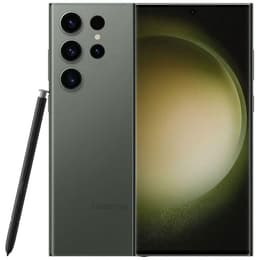
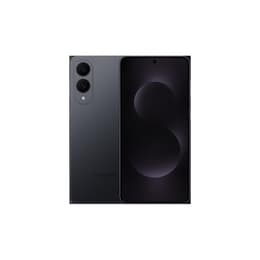
Galaxy S23 Ultra Vs Galaxy S25 Edge
- 1-year minimum warranty
- Free delivery on all orders
- Free 30-day returns
Differences at a glance
The Samsung Galaxy S23 Ultra (2023) and the Samsung Galaxy S25 Edge (2025) represent two distinct design philosophies within Samsung's high-end smartphone lineup. While the Galaxy S23 Ultra focuses on maximum productivity and expansive multi-lens versatility, the Galaxy S25 Edge prioritizes an ultra-slim profile and modern internal hardware. Both devices run on Android and provide robust software support, though they cater to entirely different preferences regarding hand-feel and feature sets.
Available Models
Colour
Storage
Scores
Durability
Device longevity depends heavily on release timelines, build materials, and manufacturer software policies for each model.
- Software Support Window: The Galaxy S25 Edge benefits from an extended software update timeline matching recent industry standards, whereas the Galaxy S23 Ultra operates on an older release schedule with fewer remaining major operating system upgrades.
- Build and Repairability: The Galaxy S23 Ultra uses an aluminum frame and curved glass, while the Galaxy S25 Edge features a titanium frame and a remarkably thin chassis that requires careful handling during professional repairs.
- Expected Lifespan: Both smartphones deliver enduring utility, with quality-assured refurbished options providing a sustainable choice for consumers wanting extended hardware longevity.
Year of Release
2023
2025
Compatible with latest Update
Yes
Yes
OS
Android
Android
Foldable
No
No
Performance
Day-to-day speed, multitasking capability, and energy efficiency vary based on generation and hardware configuration.
- Processing Power: The Galaxy S25 Edge features a current-generation processor that handles demanding apps, heavy multitasking, and high-end gaming with superior thermal efficiency, while the Galaxy S23 Ultra relies on a slightly older processor that remains reliable for everyday workloads.
- Memory and Storage: Both devices offer generous base storage capacities paired with high-speed RAM configurations, ensuring smooth app switching without noticeable stutter.
- Battery Behavior: The Galaxy S23 Ultra includes a larger battery capacity that easily sustains long usage periods, whereas the Galaxy S25 Edge prioritizes a slim physical profile, leading to a smaller battery capacity that may require more frequent charging during heavy use.
Screen quality
Viewing experiences differ across panel dimensions, physical curvature, and overall display technology.
- Display Technology: Both models use vibrant OLED panels with deep contrast levels, sharp resolutions, and adaptive refresh rates reaching up to 120 Hz for smooth scrolling.
- Brightness and Outdoors: The Galaxy S25 Edge achieves a higher peak outdoor brightness level for clear visibility under direct sunlight, while the Galaxy S23 Ultra features a slightly larger screen real estate paired with curved glass edges.
- Visual Clarity: Both screens deliver crisp text rendering and vivid media playback, though the S23 Ultra includes integrated stylus support directly within the chassis for handwritten notes.
Resolution
1440 x 3088
1440 x 3120
Audiovisual
Optics and multimedia features cater to distinct photography preferences and audio-visual creation styles.
- Camera Systems: The Galaxy S23 Ultra features a versatile quad-lens array including dual telephoto lenses for extended optical zoom range, while the Galaxy S25 Edge utilizes a streamlined dual-lens setup focusing on a primary high-resolution sensor without dedicated optical zoom hardware.
- Everyday and Low-Light Capture: Both smartphones excel at capturing sharp, detailed images in standard lighting and challenging dark environments thanks to advanced image processing algorithms.
- Audio and Video: Stereo speakers on both units deliver clear sound output for media consumption, accompanied by robust multi-microphone setups for voice recording and phone calls.
Miscellaneous
Physical dimensions, connectivity standards, and daily usability factors shape the overall user experience.
- Dimensions and Weight: The Galaxy S25 Edge stands out for its exceptionally slim and lightweight frame that reduces hand fatigue, whereas the Galaxy S23 Ultra is heavier and noticeably larger to accommodate its internal stylus silo.
- Connectivity: Both models support modern 5G networks, fast Wi-Fi standards, and secure biometric authentication through under-display fingerprint sensors and facial recognition.
- Ports and Biometrics: Each device utilizes a standard reversible charging port layout while omitting expandable storage slots and traditional headphone jacks.
Weight
233 g
163 g
Screen size (in)
6.8
6.7
Network
5G
5G
SIM card
Dual Physical SIM + eSIM
Physical SIM + eSIM
Carrier compatibility
Unlocked
Unlocked
Connector
USB-C
USB-C
What the community thinks
User feedback from online communities highlights distinct preferences between these two smartphones. Owners of the Galaxy S23 Ultra frequently praise its exceptional zoom versatility, built-in productivity stylus, and dependable battery longevity, though some note its bulky physical footprint and heavy weight. Conversely, users of the Galaxy S25 Edge appreciate its remarkably slim, lightweight profile and snappy system responsiveness, while frequently discussing the trade-offs of a smaller battery capacity and the absence of a dedicated telephoto zoom lens.
When deciding between the two models, user priorities serve as the main guide. Users prioritizing advanced telephoto photography, a large canvas for handwritten notes, and extended battery endurance will find the Galaxy S23 Ultra well-suited to their daily routine. Meanwhile, users prioritizing a featherlight feel in the hand, a streamlined physical profile, and modern internal components may lean toward the Galaxy S25 Edge. Exploring quality-assured refurbished models provides an eco-friendly alternative for acquiring either device while supporting sustainable consumer habits.



