

Compare models
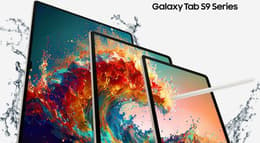
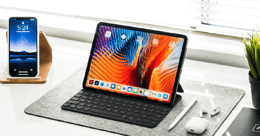
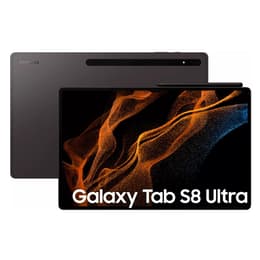
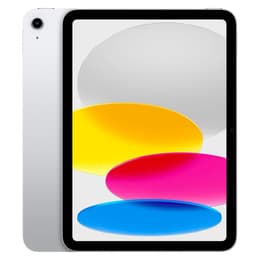
Galaxy Tab S8 (11.0", 2022) Vs iPad 10 (2022, A14 series)
- 1-year minimum warranty
- Free delivery on all orders
- Free 30-day returns
Differences at a glance
The Samsung Galaxy Tab S8 (2022) and the Apple iPad 10th generation (2022) represent mainstream tablet options designed for daily productivity, media consumption, and casual computing. While both devices launched in the same year, they operate on different software ecosystems and target slightly different user preferences through their hardware configurations. The Galaxy Tab S8 runs on the Android operating system with expanded multitasking features, whereas the iPad 10 operates on iPadOS with a streamlined tablet interface. Choosing between these two devices depends largely on preferred operating systems, accessory integration, and specific daily workflow requirements.
Available Models
Colour
Storage
Scores
Durability
When examining software longevity and physical build durability, both tablets offer distinct support frameworks and maintenance pathways for long-term use.
- Software support timelines: The iPad 10 benefits from Apple's long-standing software update cycle, typically receiving system updates for many years. The Galaxy Tab S8 provides a structured multi-year commitment for security patches and major operating system upgrades, ensuring prolonged security and feature updates.
- Repairability and physical maintenance: Both manufacturers design their hardware with sealed enclosures that require specialized tools for internal component repairs. Selecting a quality-assured refurbished option provides a sustainable choice that extends the functional lifecycle of these devices while reducing electronic waste.
- Expected practical lifespan: Both models utilize durable aluminum chassis designs that withstand daily travel and regular handling. Internal components in both tablets maintain adequate processing headroom to handle standard daily applications smoothly over several years of regular ownership.
Year of Release
2022
2022
OS
Android
iPadOS
Performance
Underneath the exterior, both tablets handle everyday tasks, media streaming, and document editing smoothly, though they manage demanding workflows through different hardware architectures.
- Storage configurations and memory: Both devices offer multiple internal storage tiers to accommodate document libraries and media files, alongside RAM configurations tailored to keep multitasking responsive during web browsing and video playback.
- Everyday responsiveness and app loading: Apps launch quickly and run smoothly on both tablets. Web pages render rapidly, and switching between active applications occurs without noticeable stutter or delay during normal use.
- Battery behavior during daily use: Both models provide sufficient battery capacity to last through a typical day of mixed web browsing, reading, and video streaming, requiring standard overnight charging for heavy users.
Screen quality
Display characteristics differ notably in aspect ratio and underlying panel technology, impacting how media and documents appear during daily use.
- Display technology and clarity: The Galaxy Tab S8 features a high-refresh-rate panel that provides smooth scrolling through web pages and documents. The iPad 10 utilizes a standard liquid crystal display with sharp resolution, offering crisp text rendering and balanced color reproduction for reading and media viewing.
- Brightness and outdoor visibility: Both screens reach adequate maximum brightness levels to remain legible under indoor lighting and shaded outdoor environments, though direct sunlight can reduce visibility on both panels.
- Screen dimensions and viewing experience: The Galaxy Tab S8 utilizes a slightly wider aspect ratio suited for split-screen multitasking and widescreen video playback. The iPad 10 employs a more traditional rectangular format that accommodates standard document sizes and vertical reading comfortably.
Resolution
1600 x 2560
2360 x 1640
Screen type
TFT LCD
Liquid Retina display
Pixel density
280ppp
264ppp
Audiovisual
While tablets are rarely primary photography tools, both models include front and rear camera setups designed primarily for video communication and scanning documents.
- Front-facing camera placement: The iPad 10 features a landscape-oriented front camera positioned along the longer bezel, optimizing framing for video calls. The Galaxy Tab S8 also places its front-facing sensor for natural horizontal video conferencing alignment.
- Video calling and microphone clarity: Integrated microphone arrays on both devices capture clear audio for virtual meetings and lectures, while rear cameras capture adequate detail for casual snapshots and quick document scanning tasks.
- Speaker output and media audio: Both tablets incorporate multi-speaker audio systems that deliver clear sound output for music, podcasts, and video streaming without requiring external headphones.
Miscellaneous
Practical everyday usage is shaped by physical dimensions, accessory compatibility, and connectivity standards built into each chassis.
- Port types and charging standards: Both models utilize universal USB-C ports for charging and data transfer, simplifying cable management for users who share accessories across multiple modern electronic devices.
- Biometric security sensors: The Galaxy Tab S8 integrates a fingerprint scanner into the power button for quick authentication. The iPad 10 similarly incorporates Touch ID into its top power button for secure device unlocking.
- Physical handling and weight: Both tablets maintain slim profiles and manageable weights, making them comfortable to hold during extended reading sessions or pack into travel bags for daily commutes.
Weight
503 g
477 g
Screen size (in)
11.0
10.9
Network
Wi-Fi
Wi-Fi
Carrier compatibility
Unlocked
Without SIM Port
What the community thinks
User feedback from online communities highlights distinct preferences for each device based on software ecosystem habits and accessory needs. Owners of the Galaxy Tab S8 frequently praise its responsive high-refresh-rate display, included stylus utility, and flexible window management system. Conversely, iPad 10 users often emphasize the intuitive nature of iPadOS, robust application availability, and consistent long-term software support. Users prioritizing an expansive media viewing experience and flexible multitasking tools may prefer the Galaxy Tab S8, while users seeking a straightforward tablet interface integrated with the Apple ecosystem will find the iPad 10 well-suited to their needs. Evaluating these core workflow preferences helps determine which device aligns best with individual daily routines, while exploring quality-assured refurbished options offers an eco-friendly alternative for acquiring either model sustainably.