

Galaxy Tab S8 (11.0", 2022) Vs iPad Pro (2021, M1 series)

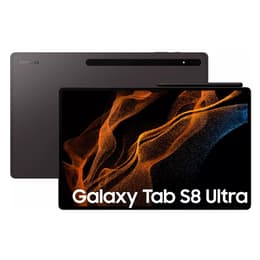
Galaxy Tab S8 (11.0", 2022)
Starting at

Refurbished price:332.00

Versus €745.19 new

See options
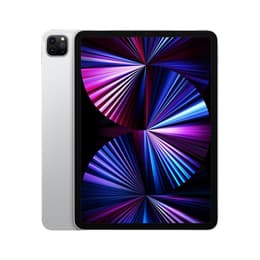
iPad Pro (2021, M1 series)
Starting at

Refurbished price:462.00

Versus €909.00 new

See options

Ratings

The Samsung Galaxy Tab S8, released in 2022, and the Apple iPad Pro M1 series, launched in 2021, represent two distinct approaches to premium tablet computing. While both devices offer powerful performance and versatile functionality, they differ significantly in their operating systems, display technologies, and ecosystem integration. The Galaxy Tab S8 runs on Android, offering a more open software experience, while the iPad Pro M1 operates on iPadOS, known for its optimized app ecosystem and tight integration with Apple's hardware. These core differences influence everything from user interface to app availability and accessory compatibility.

Scores

Durability

When considering the longevity of these tablets, both the Galaxy Tab S8 and the iPad Pro M1 offer substantial software support and robust build quality, though their timelines differ.

  • Software Updates: The Galaxy Tab S8, released with Android 12, is promised up to four Android OS upgrades and five years of security updates, meaning OS updates are expected until 2026 and security patches until 2027. The iPad Pro M1, launched with iPadOS 14.5.1, is anticipated to receive 7-10 years of total software updates, with full iPadOS support for approximately six years from its release.
  • Repairability: Both tablets feature designs that require specialized tools and expertise for repair. The Galaxy Tab S8 has a repairability score of 5.5 out of 10, indicating that while some components are accessible, others require careful handling due to adhesive and intricate internal layouts. The iPad Pro M1's display and internal components are also secured with strong adhesives, making DIY repairs challenging, though professional services are available.
  • Expected Lifespan: Users can expect several years of practical use from both devices. The Galaxy Tab S8's hardware is capable of handling demanding tasks for an extended period, even after major OS updates cease. The iPad Pro M1, with its powerful internal components, is also designed for long-term performance, with many users anticipating it will remain highly functional for a decade.

Year of Release

2022

2021

Compatible with latest Update

Yes

Yes

OS

Android

iPadOS

Performance

Both tablets deliver high levels of performance, capable of handling demanding applications and multitasking with ease, though they achieve this through different hardware and software optimizations.

  • Processing Power: The Galaxy Tab S8 is equipped with a current-generation processor that allows it to handle intensive tasks, such as gaming and creative work, smoothly. The iPad Pro M1 features a powerful chip that provides exceptional speed for complex workflows, including video editing and graphic design, often surpassing the performance of many laptops.
  • Multitasking Capabilities: The Galaxy Tab S8, running Android with Samsung's One UI and DeX mode, offers a desktop-like experience for multitasking, allowing users to run multiple apps in resizable windows. The iPad Pro M1, with iPadOS, provides robust multitasking features like Split View and Slide Over, and its powerful chip ensures smooth transitions and responsiveness even with numerous applications open.
  • Storage and Responsiveness: Both devices offer various storage configurations to suit different user needs. The iPad Pro M1 features fast internal storage, contributing to quick app loading and data access. The Galaxy Tab S8 also provides ample storage options, with responsive performance for everyday use and demanding applications.

Memory (GB)

8 GB

8 GB

Screen quality

The visual experience on both tablets is a key differentiator, with each employing distinct display technologies to deliver vibrant and clear images.

  • Display Technology: The Galaxy Tab S8 features an 11-inch LTPS TFT LCD display, offering a 120Hz refresh rate for smooth visuals. The 11-inch iPad Pro M1 uses an IPS LCD Liquid Retina display, also with a 120Hz ProMotion refresh rate, providing fluid scrolling and responsiveness.
  • Resolution and Clarity: The Galaxy Tab S8 has a resolution of 2560x1600 pixels, resulting in sharp and clear visuals for content consumption and productivity. The 11-inch iPad Pro M1 offers a resolution of 2388x1668 pixels, delivering crisp text and detailed images.
  • Brightness and Viewing Experience: The Galaxy Tab S8's LCD panel provides good viewing angles and vibrant colors, suitable for various lighting conditions. The 11-inch iPad Pro M1's display reaches a brightness of 600 nits, ensuring good visibility even in bright environments, and offers accurate color reproduction.

Resolution

1600 x 2560

2388 x 1668

Screen type

TFT LCD

Liquid Retina display

Pixel density

280ppp

264ppp

Audiovisual

Both tablets are equipped with capable camera systems designed for more than just casual photography, focusing on video conferencing and document scanning, alongside general image capture.

  • Rear Camera System: The Galaxy Tab S8 includes a dual-camera setup on the rear, featuring a 13-megapixel wide-angle lens and a 6-megapixel ultra-wide-angle lens, capable of recording 4K video at 30 frames per second. The iPad Pro M1 features a 12-megapixel wide camera and a 10-megapixel ultra-wide camera on the back, along with LiDAR support for enhanced augmented reality experiences.
  • Front Camera Performance: For video calls and selfies, the Galaxy Tab S8 has a 12-megapixel ultra-wide front camera, which includes a feature that keeps the user centered in the frame during video conferences. The iPad Pro M1 also boasts a 12-megapixel TrueDepth ultra-wide front camera with Center Stage, which automatically adjusts the camera view to keep subjects in focus and centered during video calls.
  • Audio Quality: The Galaxy Tab S8 features quad speakers, providing a rich audio experience for media consumption. The iPad Pro M1 also excels in audio, with four speakers that deliver loud, clear sound with good bass, making it suitable for music and video playback.

Miscellaneous

Beyond core performance and display, several practical elements contribute to the overall user experience and versatility of these tablets.

  • Connectivity Options: Both tablets offer modern connectivity. The Galaxy Tab S8 supports Wi-Fi 6E and Bluetooth 5.2, with 5G connectivity available on some models. The iPad Pro M1 also supports Wi-Fi 6 and Bluetooth 5.0, and cellular models offer 5G capabilities, including the ability to download iPadOS updates over 5G.
  • Port Types: The Galaxy Tab S8 features a USB-C 3.2 port for charging and data transfer. The iPad Pro M1 is equipped with a USB-C port that supports Thunderbolt and USB 4, offering high-speed data transfer and expanded peripheral compatibility.
  • Sensors and Biometrics: The Galaxy Tab S8 includes a fingerprint scanner integrated into the power key for secure unlocking. The iPad Pro M1 utilizes Face ID for secure facial recognition, which works effectively in various lighting conditions.
  • Design and Handling: The Galaxy Tab S8 has dimensions of 253.8 x 165.3 x 6.3 mm and weighs 503 grams, offering a balance between screen size and portability. The 11-inch iPad Pro M1 measures 247.6 x 178.5 x 5.9 mm and weighs 466 grams, providing a slim and manageable form factor. Both devices feature aluminum frames and glass fronts, contributing to a premium feel.

Weight

507 g

466 g

Screen size (in)

11.0

11

Network

Wi-Fi + 5G

Wi-Fi

Carrier compatibility

Unlocked

Without SIM Port

User feedback for the Samsung Galaxy Tab S8 often highlights its strong performance, vibrant display, and the utility of the included S Pen. Many users appreciate its speed for gaming and multitasking, and the overall smooth navigation. Criticisms sometimes point to the LCD display not being as rich as AMOLED panels found in other premium tablets, and some users find the Android tablet app ecosystem less optimized compared to its competitor. The iPad Pro M1 receives consistent praise for its exceptional processing power, stunning display (especially the 12.9-inch model's mini-LED), and robust app ecosystem. Users frequently commend its suitability for creative professionals and its long battery life. Common concerns include the limitations of iPadOS for certain desktop-class workflows and the placement of the front camera for landscape video calls.

Users prioritizing a versatile Android experience with a bundled stylus and a desktop-like multitasking environment may find the Galaxy Tab S8 well-suited to their needs. Those who value a highly optimized app ecosystem, industry-leading performance for demanding creative tasks, and a long software support window may lean toward the iPad Pro M1. Both devices offer a premium tablet experience, and for those seeking a quality-assured refurbished option, either tablet can provide excellent value and a sustainable choice.


See all articles

Our recent comparisons