

Compare models
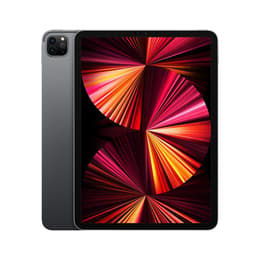
Galaxy Tab S10 Ultra (14.6", 2024) Vs iPad Pro (2021, M1 series)
- 1-year minimum warranty
- Free delivery on all orders
- Free 30-day returns
Differences at a glance
The Samsung Galaxy Tab S10 Ultra (2024) and the Apple iPad Pro (2021) represent large-format, high-end portable computing options designed for demanding digital workflows and media consumption. While both devices offer expansive screen real estate and robust processing capabilities, they run on entirely different operating systems and stem from distinct release years, catering to varied user preferences within the tablet market.
Available Models
Colour
Storage (GB)
Scores
Durability
When evaluating hardware longevity and software support, both tablets approach update lifecycles and physical resilience through different manufacturing standards.
- Software Support Duration: The Galaxy Tab S10 Ultra benefits from an extended software update commitment typical of recent Android flagships, whereas the iPad Pro (2021) relies on Apple's established track record of multi-year operating system updates.
- Build and Durability: The Samsung model incorporates an armored aluminum frame and an official water-resistance rating, while the Apple model relies on a rigid unibody aluminum enclosure without formal water-resistance certifications.
- Expected Lifespan: Both devices feature robust internal components capable of maintaining reliable performance over years of typical daily usage.
Year of Release
2024
2021
Compatible with latest Update
No
Yes
OS
Android
iPadOS
Performance
Performance dynamics differ across these platforms due to their distinct hardware architectures and memory configurations.
- Multitasking and Responsiveness: Both tablets handle demanding creative software, heavy web browsing, and split-screen multitasking with high levels of system fluidity and responsive app switching.
- Storage and Memory: The Galaxy Tab S10 Ultra provides generous baseline random access memory and expandable storage via a dedicated card slot, while the iPad Pro offers fixed internal storage tiers paired with high-bandwidth unified memory.
- Power Management: Battery behavior remains steady across both models, supporting a full day of standard productivity tasks, though intensive gaming or high-brightness media work results in faster energy depletion.
Screen quality
Display characteristics form a major focal point for both large-format devices, delivering distinct visual experiences.
- Display Technology: The Galaxy Tab S10 Ultra utilizes a large organic light-emitting diode panel known for deep contrast and infinite black levels, while the larger configuration of the iPad Pro (2021) employs a mini-LED liquid crystal setup designed for high peak brightness during high dynamic range viewing.
- Smoothness and Refresh Rate: Both panels support a high refresh rate, ensuring fluid scrolling, responsive handwriting input with digital styluses, and smooth animation rendering.
- Outdoor Usability: High peak luminance capabilities on both screens allow for clear visibility in bright environments, though glossy coatings on large glass surfaces can introduce reflections.
Resolution
1848 x 2960
2388 x 1668
Screen type
Dynamic AMOLED 2X
Liquid Retina display
Pixel density
240ppp
264ppp
Audiovisual
Multimedia capabilities and camera hardware serve different primary functions on large tablets compared to smartphones.
- Front-Facing Cameras: Both devices position ultra-wide selfie cameras along the long edge to optimize video call framing during landscape orientation use, supported by software features that keep users centered.
- Rear Camera Systems: Multi-lens setups on the back handle basic document scanning, casual photography, and augmented reality applications adequately, though they are secondary to the primary screen experience.
- Audio Output: Multi-speaker array systems on both tablets deliver rich, room-filling sound with balanced stereo separation for media streaming and virtual meetings.
Miscellaneous
Physical dimensions and connectivity options dictate how these large-format devices integrate into daily mobile workflows.
- Portability and Handling: The Galaxy Tab S10 Ultra features an extremely thin profile paired with a wider aspect ratio, whereas the iPad Pro maintains a slightly more compact footprint with a traditional 4:3 display ratio.
- Connectivity Standards: Both variants offer high-speed wireless networking options, with cellular models supporting modern mobile data bands for connectivity away from home networks.
- Peripheral Connection: The Samsung model utilizes a standard reversible interface, while the Apple model incorporates a high-bandwidth connection port compatible with advanced thunderbolt peripherals and external displays.
Weight
576 g
466 g
Screen size (in)
14.6
11
Network
Wi-Fi
Wi-Fi
Carrier compatibility
Unlocked
Without SIM Port
What the community thinks
User feedback from online communities highlights distinct community perspectives for each device. Owners of the Galaxy Tab S10 Ultra frequently praise its massive canvas size, bundled digital stylus, and vibrant contrast, though some note that its expansive footprint can feel cumbersome in tight spaces. Conversely, iPad Pro (2021) users often highlight the processing power of the system and the optimization of creative applications, while occasional criticisms focus on the limitations of the operating system for traditional desktop file management.
Users prioritizing an expansive organic display with expandable storage and a bundled stylus will find the Galaxy Tab S10 Ultra well-suited to their needs. Meanwhile, users focused on desktop-class application performance within an Apple ecosystem environment may lean toward the iPad Pro. Choosing a quality-assured refurbished option from platforms like Back Market provides an eco-friendly alternative for acquiring these capable machines sustainably.