

Compare models
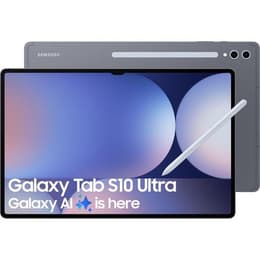
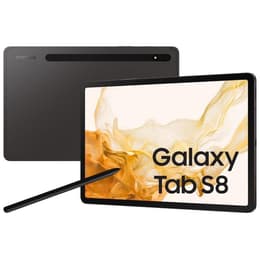
Galaxy Tab S10 Ultra (14.6", 2024) Vs Galaxy Tab S8 (11.0", 2022)
- 1-year minimum warranty
- Free delivery on all orders
- Free 30-day returns
Differences at a glance
The Samsung Galaxy Tab S10 Ultra (2024) and the Samsung Galaxy Tab S8 (2022) represent two different scales and generations of high-end Android tablet computing. While the Galaxy Tab S10 Ultra offers an expansive workspace with a massive 14.6-inch screen and advanced processing power, the Galaxy Tab S8 provides a compact 11.0-inch form factor that prioritizes portability and everyday convenience. Both devices run on the Android operating system with custom software features tailored for productivity, but their physical footprints and internal capabilities cater to distinct user requirements.
Available Models
Colour
Storage (GB)
Scores
Durability
When examining longevity and update support, these two models occupy different positions in their lifecycle due to their release years. Software longevity and hardware durability shape long-term usability for owners.
- Software Support Timeline: The Galaxy Tab S10 Ultra benefits from a later release date, securing a longer window of major operating system upgrades and security patches compared to the Galaxy Tab S8.
- Build and Repairability: Both tablets feature durable aluminum bodies, though the large glass surface of the Ultra model requires careful handling, and repair procedures for both demand professional service support.
- Expected Lifespan: Users can anticipate several years of reliable daily performance from both units, though the newer processor in the Tab S10 Ultra offers more headroom for future software demands.
Year of Release
2024
2022
Compatible with latest Update
No
Yes
OS
Android
Android
Performance
Processing power and multitasking capabilities differ significantly between these devices, influencing how they handle demanding applications and everyday workflows. Storage and memory configurations also shape overall system responsiveness.
- Multitasking and Speed: The Galaxy Tab S10 Ultra handles heavy workloads, split-screen applications, and intensive creative tasks smoothly, whereas the Galaxy Tab S8 manages standard daily tasks, streaming, and casual gaming efficiently.
- Storage and Memory: The Tab S10 Ultra offers higher base memory configurations suited for heavy professional multitasking, while the Tab S8 provides reliable performance for standard storage needs with expandable options via memory cards.
- Battery Behavior: The larger physical size of the Tab S10 Ultra accommodates a bigger battery to sustain its expansive screen, while the Tab S8 requires more frequent charging during heavy usage periods despite its smaller display.
Screen quality
Display technology represents one of the most prominent distinctions between these two models, affecting viewing comfort, media consumption, and creative tasks. Panel size and visual clarity define the user experience across both devices.
- Display Technology: The Galaxy Tab S10 Ultra features an advanced OLED screen delivering deep contrast and vibrant colors, while the Galaxy Tab S8 utilizes a traditional LCD panel with bright and clear output.
- Size and Workspace: The massive 14.6-inch canvas of the Tab S10 Ultra provides ample room for side-by-side apps and digital drawing, whereas the 11.0-inch screen of the Tab S8 offers a more portable viewing space that is easier to hold with one hand.
- Outdoor Usability: Both displays maintain sufficient brightness levels for comfortable indoor use, though reflective coatings on large glass panels require careful positioning under direct sunlight.
Resolution
1848 x 2960
1600 x 2560
Screen type
Dynamic AMOLED 2X
TFT LCD
Pixel density
240ppp
280ppp
Audiovisual
Audio and visual capture capabilities vary to accommodate different use cases, ranging from casual snapshots to video communication and media consumption. Sound delivery and camera hardware reflect their distinct product tiers.
- Camera Systems: The Galaxy Tab S10 Ultra includes dual front-facing lenses designed for wide-angle video calls, while the Galaxy Tab S8 relies on a single front camera that handles standard virtual meetings effectively.
- Media and Speaker Output: Both tablets feature multi-speaker sound systems tuned for clear dialogue during movie watching and listening, though the larger chassis of the Ultra model allows for a more resonant audio profile.
- Recording Quality: Rear camera setups on both devices capture clear reference photos and documents, as well as high-definition video suitable for casual sharing or educational recording.
Miscellaneous
Physical dimensions, connectivity standards, and daily handling characteristics dictate how easily each tablet integrates into travel bags or workspace setups. Ergonomics and port selections play a major role in day-to-day usability.
- Portability and Handling: The Galaxy Tab S8 functions easily as a lightweight notebook replacement for commuters, whereas the Galaxy Tab S10 Ultra acts more like a stationary desktop monitor replacement due to its substantial weight and dimensions.
- Connectivity Options: Both models support fast wireless standards and Bluetooth connectivity, ensuring stable pairing with keyboards, mice, and wireless audio accessories.
- Accessories and Input: Each device supports stylus input for note-taking and drawing, making them versatile tools for students and digital artists looking for a quality-assured refurbished option that minimizes environmental impact.
Weight
576 g
507 g
Screen size (in)
14.6
11.0
Network
Wi-Fi
Wi-Fi
Carrier compatibility
Unlocked
Without SIM Port
Connector
USB Type-C
USB Type-C
What the community thinks
User discussions across community forums highlight distinct preferences for each of these tablets. Owners of the Galaxy Tab S8 frequently praise its lightweight design, compact dimensions, and reliable performance for reading, note-taking, and media viewing while traveling. Conversely, users of the Galaxy Tab S10 Ultra appreciate the expansive screen estate for multitasking, digital art creation, and replacing a traditional laptop setup for specific office workflows. Common criticisms for the larger model often center on its cumbersome size during transit, while the smaller model is sometimes noted for requiring more frequent battery replenishment during intensive tasks.
Users prioritizing maximum screen space, advanced multitasking capabilities, and a vibrant display will find the Galaxy Tab S10 Ultra well-suited to their needs. Meanwhile, users prioritizing portability, easy handheld reading, and a compact travel footprint may lean toward the Galaxy Tab S8. Choosing between them depends entirely on whether workspace scale or physical mobility is the primary requirement. Exploring a sustainable choice through a quality-assured refurbished option provides an eco-friendly path to acquiring either device without compromising on performance standards.