
Compare models
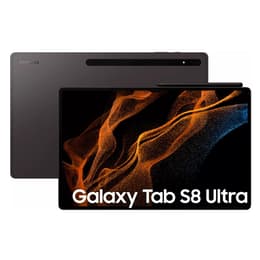
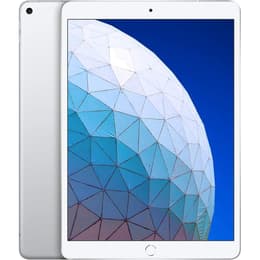
Galaxy Tab S8 (11.0", 2022) Vs iPad Air 3 (2019, A12 series)
- 1-year minimum warranty
- Free delivery on all orders
- Free 30-day returns
Differences at a glance
The Samsung Galaxy Tab S8 (2022) and the Apple iPad Air 3 (2019) represent two distinct generations of mainstream tablets designed for productivity, entertainment, and everyday multitasking. While both devices serve general computing and media consumption needs well, they differ significantly in their release timelines, operating systems, and core processing architectures. Choosing between them depends largely on user preferences regarding software ecosystems and hardware age.
Available Models
Colour
Storage
Scores
Durability
When examining longevity and support, the Galaxy Tab S8 and iPad Air 3 diverge notably due to their different release years and software update policies.
- Release timeline and age: The Galaxy Tab S8 launched in 2022, providing a newer hardware foundation, whereas the iPad Air 3 debuted in 2019, positioning it further along its support lifecycle.
- Software support duration: Samsung provides multi-year operating system and security updates for its flagship tablet line, while Apple typically supports devices for a span of several years following their discontinuation, meaning the iPad Air 3 approaches the latter stages of active system updates.
- Expected practical lifespan: Users choosing the 2022 model can anticipate a longer window of current application compatibility, making quality-assured refurbished options from this generation a sustainable choice for long-term daily use.
Year of Release
2022
2019
OS
Android
iPadOS
Performance
Performance capabilities vary noticeably between these two tablets, impacting how they handle demanding applications, multitasking, and battery endurance during intensive routines.
- Storage and multitasking: Both devices offer various internal storage tiers paired with sufficient random access memory to handle web browsing, document editing, and media streaming smoothly, though the newer processor in the 2022 model yields faster app loading speeds and improved thermal efficiency during heavy tasks.
- Battery behavior: Users typically report that both tablets manage everyday power consumption well enough to get through a standard day of mixed use, though heavy gaming or continuous video conferencing will drain the batteries more rapidly on both platforms.
- System responsiveness: Navigation across user interfaces remains fluid on both models, with the newer hardware architecture providing extra performance headroom for resource-intensive creative applications.
Screen quality
Display characteristics shape the primary visual experience for media consumption, reading, and digital note-taking on both tablets.
- Display technology: The Galaxy Tab S8 features an 11.0-inch liquid crystal display with sharp resolution and wide viewing angles, while the iPad Air 3 uses a similarly sized retina display known for accurate color reproduction and lamination that reduces glare.
- Refresh rate and smoothness: The Galaxy Tab S8 incorporates a higher refresh rate, resulting in noticeably smoother scrolling and more responsive pen input during drawing or writing, whereas the iPad Air 3 maintains a standard refresh rate suitable for typical viewing tasks.
- Outdoor visibility: Both screens offer adequate peak brightness levels for comfortable indoor use, though direct sunlight may require manual brightness adjustments on both devices.
Resolution
1600 x 2560
2224 x 1668
Screen type
TFT LCD
Retina display
Pixel density
280ppp
264ppp
Audiovisual
Audio and visual capture capabilities differ between the two models, influencing video calls, casual photography, and media playback quality.
- Camera systems: The Galaxy Tab S8 is equipped with a dual rear camera setup and an ultra-wide front-facing camera positioned centrally for landscape video calls, whereas the iPad Air 3 features a single traditional rear lens and a standard front-facing FaceTime camera.
- Video and audio output: Both tablets handle high-definition video recording and virtual meetings effectively, supported by clear microphone arrays and multi-speaker setups that deliver balanced audio for movies and music.
- Media consumption experience: Stereo speaker configurations on both devices provide adequate volume and clarity for everyday listening without requiring external headphones.
Miscellaneous
Practical physical characteristics, connectivity standards, and biometric security features define the day-to-day usability of each tablet.
- Connectivity options: Both models support reliable wireless standards, with the Galaxy Tab S8 utilizing modern Bluetooth iterations and faster USB Type-C connectivity for charging and data transfer, compared to the Lightning port found on the iPad Air 3.
- Biometric security: Security authentication differs through the use of a side-mounted fingerprint scanner on the Galaxy Tab S8 versus the traditional home button Touch ID sensor integrated into the iPad Air 3.
- Build and handling: Slim aluminum profiles on both devices ensure comfortable handling and portability, making them well-suited for travelers, students, and professionals working on the go.
Weight
503 g
456 g
Screen size (in)
11.0
10.5
Network
Wi-Fi
Wi-Fi
Carrier compatibility
Unlocked
Without SIM Port
What the community thinks
Real-world user feedback highlights several distinct patterns for both devices. Owners of the Galaxy Tab S8 frequently praise its smooth display refresh rate, included stylus support for note-taking, and modern USB-C connectivity. Conversely, iPad Air 3 users often emphasize the reliability of the software ecosystem, consistent application optimization, and long-term build durability. Common criticisms for the older Apple model tend to focus on its aging battery capacity over time, while some users note that the Android tablet's large screen format requires careful handling during transit.
Users prioritizing a modern Android interface, smoother scrolling, and a bundled stylus experience may prefer the Galaxy Tab S8, while users invested in the Apple ecosystem who value a straightforward tablet for media and reading will find the iPad Air 3 well-suited to their needs. Exploring a quality-assured refurbished option provides an eco-friendly way to acquire either device while supporting sustainable electronics consumption. Ultimately, the right choice depends on individual operating system preferences and specific daily workflow requirements.