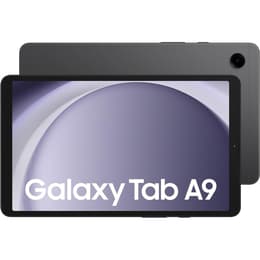


Galaxy Tab A9 (8.7", 2023) Vs iPad mini 7 (2024, A17 series)

Galaxy Tab A9 (8.7", 2023)
Starting at

Refurbished price:153.00

Versus €255.86 new

See options
iPad mini 7 (2024, A17 series)
Starting at

Refurbished price:463.68

Versus €749.00 new

See options

Ratings

The Samsung Galaxy Tab A9, released in October 2023, and the Apple iPad Mini (7th generation), introduced in October 2024, represent two distinct approaches to compact tablet computing. While both devices offer portability, they cater to different user needs through their respective operating systems and hardware capabilities. The Galaxy Tab A9 runs on Android, providing a versatile and open ecosystem, whereas the iPad Mini operates on iPadOS, known for its optimized app experience and robust performance. Key differentiators include processing power, display technology, and long-term software support.

Scores

Durability

When considering the practical lifespan of these tablets, several factors come into play, including their release timelines, software support, and overall build quality.

  • Release Timeline and Software Support: The Galaxy Tab A9 launched in late 2023, typically receiving 2-3 major Android OS updates and around 4 years of security updates from Samsung. In contrast, the iPad Mini (7th generation) was released in late 2024 and is expected to receive 5-7 years of major iPadOS updates, a common practice for Apple devices. This difference means the iPad Mini will likely maintain compatibility with the latest software features and security patches for a longer duration.
  • Repairability and Build: The Galaxy Tab A9 features an aluminum back and a plastic frame, contributing to a lightweight yet sturdy feel. The iPad Mini (7th generation) maintains the aluminum unibody design of its predecessor, offering a premium and durable construction. Both devices are designed for everyday use, but the longer software support of the iPad Mini generally translates to a longer practical lifespan for users who prioritize up-to-date features and security.
  • Expected Practical Lifespan: For users who value extended software longevity and access to the newest operating system features, the iPad Mini offers a longer expected period of optimal performance. The Galaxy Tab A9 provides a solid experience for its expected support window, suitable for those who may upgrade their devices more frequently or have less stringent requirements for the latest software.

Year of Release

2023

2024

Compatible with latest Update

Yes

Yes

OS

Android

iPadOS

Performance

The performance of a tablet significantly impacts its responsiveness and ability to handle various tasks, from casual browsing to more demanding applications.

  • Processor Capabilities: The Galaxy Tab A9 is powered by a MediaTek Helio G99 processor, which capably handles everyday tasks like web browsing, video streaming, and light gaming. The iPad Mini (7th generation) features the A17 Pro chip, offering a substantial boost in processing power. This chip provides a 30% faster CPU and a 25% faster GPU compared to the previous generation's A15 Bionic, enabling smoother multitasking, more intensive gaming, and efficient handling of professional-grade applications.
  • Multitasking and Storage: The Galaxy Tab A9 comes with 4GB or 8GB of RAM and storage options of 64GB or 128GB, expandable via microSD. This configuration is suitable for managing several apps simultaneously and storing a moderate amount of content. The iPad Mini (7th generation) includes 8GB of RAM and starts with 128GB of internal storage, with options up to 512GB, providing more headroom for demanding workflows and larger app libraries without relying on external storage.
  • Battery Behavior: The Galaxy Tab A9 has a 5100 mAh battery, offering around 12 hours of general use, though video streaming can consume power more rapidly. The iPad Mini (7th generation) is designed for all-day battery life, similar to its predecessor's 10 hours of use, benefiting from the A17 Pro chip's power efficiency.

Memory (GB)

4 GB

8 GB

Screen quality

The display is a primary interface for any tablet, and differences in screen technology and specifications can greatly influence the viewing experience.

  • Display Technology and Resolution: The Galaxy Tab A9 features an 8.7-inch LCD panel with a resolution of 1340 x 800 pixels, resulting in a pixel density of 179 PPI. This display is suitable for general content consumption. The iPad Mini (7th generation) sports an 8.3-inch Liquid Retina IPS LCD with a higher resolution of 2266 x 1488 pixels, providing a sharper image with 326 PPI.
  • Brightness and Color Accuracy: The Galaxy Tab A9 offers a peak brightness of around 459 nits, which is adequate for indoor use but may struggle in direct sunlight. The iPad Mini (7th generation) provides 500 nits of brightness, along with P3 wide color support and True Tone technology, which adjusts the display's color and intensity to match the ambient light, enhancing viewing comfort and color accuracy.
  • Refresh Rate and Viewing Experience: Both tablets feature a standard 60Hz refresh rate. The iPad Mini's anti-reflective coating also contributes to a more comfortable viewing experience in varied lighting conditions. The higher resolution, better color reproduction, and adaptive display features of the iPad Mini offer a more refined visual experience, particularly for detailed work or media consumption.

Resolution

800 x 1340

2266 x 1488

Screen type

TFT LCD

Liquid Retina display

Pixel density

180ppp

326ppp

Audiovisual

While tablets are not typically primary photography devices, their camera systems are important for video calls, document scanning, and occasional photo capture.

  • Camera System Capabilities: The Galaxy Tab A9 is equipped with an 8MP autofocus rear camera and a 2MP front camera. The iPad Mini (7th generation) features a 12MP Wide rear camera and a 12MP Ultra Wide front camera.
  • Photography and Video Performance: The Tab A9's rear camera is functional for scanning documents and casual photography, though its low-light performance is mediocre. The front camera is primarily suited for video calls. The iPad Mini's 12MP rear camera, enhanced with Smart HDR 4, delivers more detailed and vibrant photos, and it supports 4K video recording. Its 12MP Ultra Wide front camera includes Center Stage, which automatically keeps the user in frame during video calls.
  • Audio and Media Consumption: The Galaxy Tab A9 offers stereo speakers, providing a decent audio experience for its class. The iPad Mini also provides capable stereo speakers, contributing to a clear media consumption experience. The iPad Mini's camera system offers more advanced features and higher quality for both still images and video, making it more versatile for communication and content creation.

Miscellaneous

Beyond core specifications, various practical elements contribute to the overall usability and experience of a tablet.

  • Connectivity Options: The Galaxy Tab A9 supports Wi-Fi 5 and Bluetooth 5.3, with an optional LTE variant for cellular connectivity, though it does not support 5G. The iPad Mini (7th generation) offers more advanced connectivity with Wi-Fi 6E, Bluetooth 5.3, and optional 5G for faster wireless speeds and more reliable connections.
  • Port Types and Sensors: Both tablets utilize a USB-C port for charging and data transfer. The iPad Mini (7th generation) benefits from faster USB 3.2 Gen 2 speeds, allowing for quicker data transfers. For security, the Galaxy Tab A9 relies on traditional unlock methods, while the iPad Mini integrates Touch ID into its power button for convenient and secure authentication.
  • Weight, Dimensions, and Build Materials: The Galaxy Tab A9 weighs 332 grams (Wi-Fi model) and has dimensions of 211 x 124.7 x 8 mm. The iPad Mini (7th generation) is slightly lighter at 293 grams (Wi-Fi model) and measures 195.4 x 134.8 x 6.3 mm, making it a very compact and portable device. Both feature durable aluminum construction, with the iPad Mini's unibody design offering a more integrated feel.

Weight

332 g

293 g

Width

21,1 cm

13.48 cm

Height

12,47 cm

19.54 cm

Depth

0,8 cm

0.63 cm

Screen size (in)

8.7

8.3

Network

Wi-Fi

Wi-Fi

Carrier compatibility

Without SIM Port

Without SIM Port

The Samsung Galaxy Tab A9 and the iPad Mini (7th generation) cater to different segments of the compact tablet market, each with distinct strengths. User feedback for the Galaxy Tab A9 often praises its solid build quality and adequate performance for media consumption and light tasks, especially considering its positioning. Common criticisms sometimes point to its display resolution and camera performance not matching higher-end devices. The iPad Mini (7th generation), on the other hand, is frequently lauded for its exceptional performance, premium design, and the robust iPadOS ecosystem. Users appreciate its portability combined with powerful capabilities, though some note the standard 60Hz refresh rate as a potential area for future enhancement.

Users prioritizing a highly portable device for general media consumption, web browsing, and basic productivity, who also appreciate expandable storage and the Android ecosystem, may find the Galaxy Tab A9 well-suited to their needs. Conversely, individuals who require a tablet for more demanding applications, advanced multitasking, superior camera features, and a longer period of software support will likely lean towards the iPad Mini (7th generation). Its powerful internal components and optimized software make it a strong choice for creative tasks, intensive gaming, and those deeply integrated into the Apple ecosystem. Both devices are available as quality-assured refurbished options, providing an eco-friendly alternative for consumers seeking to make informed and sustainable choices.

See all articles

Our recent comparisons