

Compare models
Galaxy Tab A11 (8.7", 2025) Vs iPad Pro (2024, M4 series)
- 1-year minimum warranty
- Free delivery on all orders
- Free 30-day returns
Differences at a glance
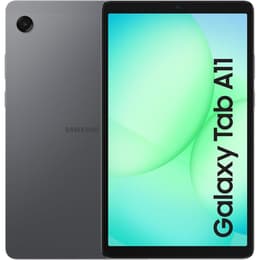
The Samsung Galaxy Tab A11 (2025) and the Apple iPad Pro (2024, M4 series) represent two distinctly different approaches to portable tablet computing. While the Galaxy Tab A11 focuses on compact utility and portability within the Android ecosystem, the iPad Pro delivers high-end processing capability and advanced display technology running on iPadOS. These devices serve fundamentally different use cases, scales of performance, and user expectations.
Available Models
Colour
Storage (GB)
Scores
Durability
Long-term usability varies due to differences in software support schedules, build materials, and hardware overhead between these two mobile computers.
- Software support timeline: The iPad Pro receives long-term system updates backed by extensive platform support, whereas the Galaxy Tab A11 provides a structured multi-year update schedule suited for standard everyday applications.
- Build and repair framework: Both tablets utilize sealed housing designs requiring specialized care for internal component repairs, making protective cases a practical choice for extending physical lifespan.
- Expected longevity: Users managing basic reading and web tasks will find steady operational longevity in the Galaxy Tab A11, while power users requiring heavy creative software will rely on the substantial hardware headroom built into the iPad Pro.
Year of Release
2025
2024
Compatible with latest Update
Yes
Yes
OS
Android
iPadOS
Performance
Daily operation and multitasking capabilities differ significantly, driven by divergent internal components and memory configurations.
- Multitasking and app switching: The iPad Pro handles intense professional workflows, advanced video rendering, and heavy resource-demanding games smoothly, while the Galaxy Tab A11 manages everyday tasks like streaming, web browsing, and casual applications efficiently.
- Storage capacity: The Galaxy Tab A11 offers expandable storage via a microSD card slot alongside built-in capacities, whereas the iPad Pro relies entirely on fixed internal storage tiers ranging up to high-capacity options.
- Battery behavior: The Galaxy Tab A11 provides reliable day-to-day power for moderate usage, while the iPad Pro balances high-performance output with optimized power management to sustain full-day professional tasks.
Screen quality
Visual output and panel construction differ substantially to match distinct user viewing preferences and environmental needs.
- Display technology: The iPad Pro features an advanced tandem OLED display delivering deep contrast levels and high peak brightness, while the Galaxy Tab A11 uses a standard TFT LCD panel equipped with a 90Hz refresh rate for smoother scrolling.
- Outdoor visibility: The iPad Pro reaches high luminance thresholds for clear viewing under bright sunlight, whereas the Galaxy Tab A11 performs best in indoor environments or shaded outdoor spaces.
- Viewing experience: The compact 8.7-inch form factor of the Galaxy Tab A11 prioritizes one-handed portability, whereas the iPad Pro provides a spacious canvas well-suited for detailed creative work and multimedia consumption.
Resolution
800x1340
2420 x 1668
Pixel density
180ppp
264ppp
Audiovisual
Media recording, video communication, and audio output capabilities are tailored to different levels of media interaction.
- Camera systems: The iPad Pro incorporates high-resolution front and rear sensors capable of detailed photography and 4K video recording, while the Galaxy Tab A11 features standard single-lens cameras adequate for casual snapshots and video calls.
- Audio output: The iPad Pro utilizes a multi-speaker array delivering robust sound staging, while the Galaxy Tab A11 is equipped with stereo speakers enhanced by Dolby Atmos for everyday media playback.
- Microphone performance: Studio-quality microphones on the iPad Pro cater to remote recording and clear communication, whereas the Galaxy Tab A11 includes standard microphones suitable for routine voice calls and online meetings.
Miscellaneous
Physical dimensions, connectivity standards, and daily handling features shape the practical experience of carrying and using each device.
- Portability and handling: Weighing significantly less and featuring a smaller footprint, the Galaxy Tab A11 slips easily into small bags, whereas the larger iPad Pro offers a thin profile optimized for structured desk use or portfolio carrying.
- Connectivity and ports: Both models support reliable wireless standards, with the iPad Pro utilizing a versatile high-speed USB-C connector for external accessories, while the Galaxy Tab A11 retains a traditional headphone jack alongside its USB-C port.
- Security features: The iPad Pro relies on facial recognition technology for secure authentication, while the Galaxy Tab A11 utilizes standard software-based security options and pattern entry.
Weight
335 g
444 g
Screen size (in)
8.7
11
Network
Wi-Fi
Wi-Fi
Carrier compatibility
Without SIM Port
Without SIM Port
What the community thinks
User discussions across community forums highlight distinct patterns of satisfaction for each tablet. Owners of the Galaxy Tab A11 frequently praise its lightweight portability, compact size for reading, and straightforward interface for daily media consumption. Conversely, iPad Pro users emphasize the exceptional visual clarity of the screen and the raw processing speed that handles demanding creative applications without hesitation. Common criticisms for the smaller Samsung model center on limited screen brightness outdoors and basic speaker output, while iPad Pro discussions often note the higher financial investment required for top-tier storage configurations.
Users prioritizing a pocket-friendly, lightweight device for casual reading and media streaming will find the Galaxy Tab A11 well-suited to their needs. Meanwhile, users requiring professional-grade creative software, expansive display fidelity, and heavy multitasking power will lean toward the iPad Pro. Exploring quality-assured refurbished options provides a sustainable choice for acquiring either model while reducing electronic waste. Selecting the right device depends entirely on matching individual workflow requirements and portability preferences with the core capabilities of each platform.