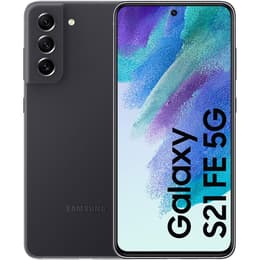


Galaxy A50 Vs Galaxy S21 FE 5G

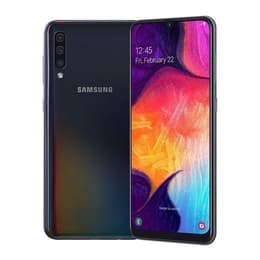
Galaxy A50
Galaxy A50
Starting at

Refurbished price:107.00

Versus €349.00 new

See options
Galaxy S21 FE 5G
Galaxy S21 FE 5G
Starting at

Refurbished price:159.00

Versus €829.91 new

See options

Ratings

The Samsung Galaxy A50, released in 2019, and the Samsung Galaxy S21 FE 5G, launched in early 2022, represent different segments and generations within Samsung's smartphone lineup. While both offer a comprehensive Android experience, the S21 FE 5G provides a more advanced feature set, including enhanced performance, a higher refresh rate display, and improved durability, reflecting its newer release and higher-tier positioning. Both devices run on Samsung's One UI over Android, offering a familiar user interface.

Scores

Durability

The practical lifespan of a smartphone is significantly influenced by its release timeline and ongoing software support.

  • Release Timeline: The Galaxy A50 was released in early 2019, making it an older device compared to the Galaxy S21 FE 5G, which launched in early 2022. This age difference directly impacts their remaining support windows.
  • OS Support: The Galaxy A50 concluded its major Android OS updates with Android 11, and its security updates officially ended around April 2023. In contrast, the Galaxy S21 FE 5G launched with Android 12 and is expected to receive major OS updates up to Android 16, alongside five years of security updates, though its security patch frequency shifted to quarterly around October 2025.
  • Repairability: The Galaxy A50 has a repairability score of 7.0/10, with accessible battery and screen components despite adhesive use. The Galaxy S21 FE 5G scores slightly higher at 7.5/10, also utilizing adhesive for some parts but featuring screwed-in main boards. Users seeking the longest software longevity will find the S21 FE 5G more suitable.

Year of Release

2019

2022

Compatible with latest Update

No

Yes

OS

Android

Android

Foldable

No

No

Performance

The performance capabilities of these devices differ considerably, impacting daily usage and demanding applications.

  • Storage Options: The Galaxy A50 offers 64GB or 128GB of internal storage, with the flexibility of expandable storage via a microSD card up to 512GB. The Galaxy S21 FE 5G comes with 128GB or 256GB internal storage options but lacks a microSD card slot for expansion.
  • Battery Behavior: The Galaxy A50 features a 4000 mAh battery, generally providing good battery life for moderate use. The Galaxy S21 FE 5G has a larger 4500 mAh battery, supporting faster wired and wireless charging. However, some users report that the S21 FE 5G's battery drains quickly with heavy use, particularly with certain processor variants, and can experience heating.
  • System Responsiveness: The Galaxy A50's processor handles everyday tasks adequately, but some users have reported occasional lag with the software interface and heating when running multiple applications. The Galaxy S21 FE 5G, with its more powerful internal components, delivers a smoother and more responsive experience for demanding apps, multitasking, and gaming, though it can also experience warming under heavy load.

Memory (GB)

4 GB

6 GB

Screen quality

Both devices feature vibrant AMOLED displays, but there are notable differences in their visual experience.

  • Display Technology: Both the Galaxy A50 and Galaxy S21 FE 5G utilize Super AMOLED or Dynamic AMOLED 2X technology, respectively, known for deep blacks and vibrant colors.
  • Resolution and Clarity: Both phones offer a Full HD+ resolution (1080x2340 for A50, 1080x2400 for S21 FE 5G) on their 6.4-inch displays, providing sharp visuals for typical viewing distances.
  • Refresh Rate: A key differentiator is the refresh rate; the Galaxy A50 has a standard 60Hz display. The Galaxy S21 FE 5G features a 120Hz refresh rate, which contributes to a noticeably smoother scrolling experience and more fluid animations.
  • Brightness and Protection: The Galaxy S21 FE 5G's Dynamic AMOLED 2X display generally offers higher peak brightness, improving outdoor visibility. It also benefits from Corning Gorilla Glass Victus for enhanced screen protection, while the A50 uses Gorilla Glass 3.

Resolution

1080 x 2340

1080 x 2340

Screen type

Super AMOLED

Dynamic AMOLED 2X

Audiovisual

The camera systems and audio experiences reflect the different generations and market segments of these smartphones.

  • Camera System Capabilities: The Galaxy A50 features a triple rear camera setup with a 25MP main, 8MP ultrawide, and 5MP depth sensor, alongside a 25MP front camera. The Galaxy S21 FE 5G also has a triple rear camera system, but with a 12MP main sensor with optical image stabilization, a 12MP ultrawide, and an 8MP telephoto lens offering 3x optical zoom, plus a 32MP front camera.
  • Photography Performance: The S21 FE 5G's camera system, particularly its main sensor with OIS and telephoto lens, generally delivers more consistent and higher-quality images, especially in challenging lighting conditions, compared to the A50. The A50's camera can be inconsistent, particularly in low light.
  • Video Recording Quality: The Galaxy A50 is limited to 1080p video recording. The Galaxy S21 FE 5G supports 4K video recording at 60 frames per second, offering greater detail and smoother motion.
  • Audio Experience: While specific microphone and speaker details can vary, the S21 FE 5G typically offers a more refined audio experience, including stereo speakers and Dolby Atmos support, compared to the A50's more basic audio output. The A50's speaker has been described as tinny by some users.

Main camera

25 megapixels

12 megapixels

Front camera

25 megapixels

32 megapixels

Miscellaneous

Beyond core features, several practical elements differentiate these two Samsung smartphones.

  • Connectivity Options: The Galaxy A50 supports 4G LTE, Wi-Fi, and Bluetooth 5.0. The Galaxy S21 FE 5G offers more advanced connectivity, including 5G support, newer Wi-Fi standards, and Bluetooth, providing faster data speeds and more reliable wireless connections.
  • Port Types: Both devices feature a USB Type-C port for charging and data transfer. The Galaxy A50 includes a 3.5mm headphone jack, a feature absent on the Galaxy S21 FE 5G.
  • Useful Sensors: Both phones incorporate in-display fingerprint sensors for secure unlocking. The S21 FE 5G also includes an IP68 rating for dust and water resistance, a durability feature not present in the A50.
  • Weight and Dimensions: The Galaxy A50 measures 158.5 x 74.7 x 7.7 mm and weighs 166g. The Galaxy S21 FE 5G is very similar in size at 155.7 x 74.5 x 7.9 mm but slightly heavier at 177g. Both offer a comfortable in-hand feel, though the S21 FE 5G's slightly thicker profile accommodates its larger battery and more robust build.
  • Build Materials: The A50 features a plastic back and Gorilla Glass 3 front. The S21 FE 5G also uses a plastic back but upgrades to Gorilla Glass Victus for the display, contributing to its enhanced durability.

Weight

166 g

177 g

Screen size (in)

6.4

6.4

Network

4G

5G

SIM card

Dual Physical SIM

Physical SIM

Carrier compatibility

Unlocked

Unlocked

Connector

USB-C + Jack 3.5mm

USB-C

User sentiment for the Galaxy A50 often highlights its strong display and decent battery life for its time, making it a reliable option for general use. However, common criticisms include occasional performance slowdowns, heating with intensive tasks, and the cessation of software updates. The Galaxy S21 FE 5G is frequently praised for its vibrant 120Hz display, capable camera system, and IP68 water resistance. Conversely, some users have reported concerns regarding battery drain, heating issues (especially with the Exynos variant), and, in some cases, screen display problems after updates.

Users prioritizing long-term software support, a smoother display experience, and enhanced durability features like water resistance will find the Galaxy S21 FE 5G better suited to their needs. Its more powerful internal components also make it a stronger choice for demanding applications and mobile gaming. Conversely, individuals who value expandable storage and a traditional headphone jack, and whose usage is primarily for lighter tasks and communication, might still find the Galaxy A50 adequate, especially if they are comfortable with an older software version. For those considering either device, exploring quality-assured refurbished options can provide an eco-friendly alternative to extend the life cycle of these smartphones.


See all articles

Our recent comparisons