

Compare models
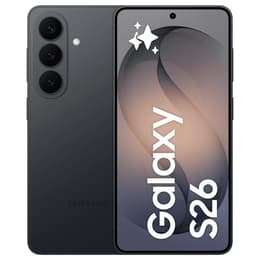
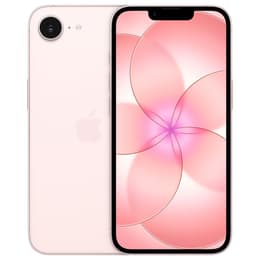
Galaxy S26 Vs iPhone 17e
- 1-year minimum warranty
- Free delivery on all orders
- Free 30-day returns
Differences at a glance
The Samsung Galaxy S26 and the Apple iPhone 17e represent two distinct approaches to modern smartphone engineering from their respective 2026 lineups. Running on Android and iOS respectively, these devices cater to users seeking refined daily performance packaged within distinct hardware ecosystems. While both handsets target efficient modern communication and multimedia tasks, they diverge notably in display dimensions, multi-lens camera versatility, and internal configuration.
Available Models
Colour
Storage
Scores
Durability
Both the Galaxy S26 and the iPhone 17e arrived in early 2026, positioning them as current-generation choices supported by long-term manufacturer software commitments.
- Software longevity: Both operating systems receive multi-year security updates and platform upgrades, ensuring extended relevance for daily tasks.
- Repairability and build: Both models utilize robust aluminum frames and reinforced glass designed to withstand standard wear, with balanced repair profiles documented across professional service networks.
- Expected lifespan: High-capacity internal storage and resilient components ensure both devices remain functional through several years of intensive daily usage.
Year of Release
2026
2026
OS
Android
iOS
Foldable
No
No
Performance
Equipped with modern current-generation processors, both smartphones handle everyday applications, web browsing, and heavy multitasking smoothly without noticeable stutter.
- Storage configurations: Both devices begin with ample baseline storage capacity, minimizing the need for cloud offloading during media-heavy workflows.
- Multitasking and memory: Generous random access memory allocations allow seamless switching between multiple background tasks and demanding productivity applications.
- Battery behavior: Battery capacities easily power a full day of standard mixed usage, though heavy media consumption or gaming will require an evening charge for both models.
Screen quality
Visual output on both devices relies on advanced OLED technology, delivering sharp text reproduction and deep contrast ratios for comfortable media viewing.
- Display panels: Both screens feature high-definition OLED panels that render vibrant colors and wide viewing angles under varied lighting conditions.
- Outdoor visibility: High peak brightness levels ensure legibility even when operating the screens under direct sunlight.
- Refresh dynamics: Smooth scrolling performance enhances everyday navigation through menus, web pages, and social feeds.
Resolution
1080 x 2340
2532 x 1170
Audiovisual
Imaging capabilities differ primarily in lens versatility, offering distinct advantages for casual photographers and everyday content creators.
- Camera systems: The Galaxy S26 features a multi-lens array incorporating wide, ultra-wide, and telephoto options, whereas the iPhone 17e relies on a streamlined single high-resolution primary lens setup.
- Low-light performance: Advanced computational processing on both devices reduces noise and preserves detail when capturing photos in dimly lit environments.
- Audio and video: Both models provide stable high-definition video recording accompanied by clear multi-microphone audio capture suitable for calls and home videos.
Front camera
12.0
12 megapixels
Miscellaneous
Physical handling and connectivity features shape how comfortably each device integrates into daily travel and professional routines.
- Connectivity standards: Both smartphones support modern fifth-generation cellular networks, rapid Wi-Fi protocols, and precise location-tracking sensors.
- Biometrics and ports: Secure facial recognition or biometric authentication comes standard alongside universal reversible charging ports.
- Form factor: Ergonomic dimensions and balanced weight distribution ensure comfortable one-handed operation and effortless pocket transport.
Weight
167 g
169 g
Screen size (in)
6.3
6.1
Network
5G
5G
SIM card
Dual Physical SIM + eSIM
eSIM
Carrier compatibility
Unlocked
Unlocked
Connector
USB-C
USB-C (USB 2)
What the community thinks
User discussions and community feedback for both devices frequently highlight satisfaction with rapid app loading speeds, reliable all-day battery endurance, and bright display panels. Common criticisms occasionally center on the absence of expandable storage slots and the incremental nature of annual hardware refreshes. Users prioritizing multi-lens photography versatility and a flexible operating system environment often lean toward the Galaxy S26, while those favoring streamlined software simplicity and ecosystem integration tend to prefer the iPhone 17e.
Choosing between these two models ultimately depends on individual platform preference and desired camera capabilities rather than raw processing power. Exploring a quality-assured refurbished option provides a sustainable, eco-friendly alternative for acquiring either device without compromising on functional longevity.









