

Compare models
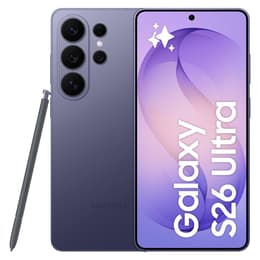
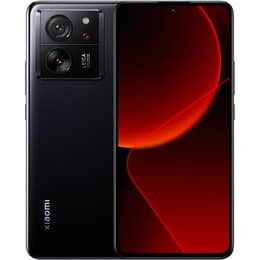
Galaxy S26 Ultra Vs Xiaomi 13T
- 1-year minimum warranty
- Free delivery on all orders
- Free 30-day returns
Differences at a glance
The Samsung Galaxy S26 Ultra (2026) and the Xiaomi 13T (2023) represent different tiers and release eras within the smartphone market. While the Galaxy S26 Ultra functions as a modern ultra-premium flagship with extensive software support, the Xiaomi 13T serves as a balanced mid-range option focusing on core everyday essentials. Both devices run on the Android operating system, though they feature different manufacturer interfaces that shape the overall user experience.
Available Models
Colour
Storage (GB)
Scores
Durability
When evaluating hardware longevity and software support, both devices handle multi-year ownership differently based on their release timelines.
- Software Support Duration: The Galaxy S26 Ultra benefits from an extended multi-year update schedule typical of contemporary flagships, whereas the Xiaomi 13T operates on a shorter remaining window of system updates due to its earlier release year.
- Build and Repairability: Both models utilize robust outer materials and high-level water resistance ratings, though professional repair accessibility varies depending on regional service network coverage.
- Expected Lifespan: Users seeking maximum software longevity and future readiness will find the newer Samsung model well-suited for extended use, while the Xiaomi option remains reliable for standard daily cycles.
Year of Release
2026
2023
Compatible with latest Update
Yes
Yes
OS
Android
Android
Foldable
No
No
Performance
System speed and hardware capability differ noticeably, influencing how each phone handles demanding tasks and everyday multitasking.
- Multitasking and App Loading: The Galaxy S26 Ultra handles heavy workloads, intensive gaming, and complex applications smoothly, while the Xiaomi 13T manages daily tasks, web browsing, and casual apps with steady efficiency.
- Battery Behavior: Both devices include large battery capacities designed to last through a full day of standard use, though fast-charging speeds vary when replenishing power using compatible adapters.
- Storage Configuration: Ample internal storage options are available on both models, catering to users who store large media libraries and numerous applications locally.
Screen quality
Display characteristics shape media consumption and outdoor usability across both smartphones.
- Display Technology: Both models feature vibrant OLED panels with deep contrast levels, sharp resolutions, and smooth high refresh rates for fluid scrolling.
- Outdoor Visibility: Peak brightness outputs allow both screens to remain legible under direct sunlight, though ultra-tier flagships typically achieve higher maximum luminance in bright conditions.
- Viewing Area: The Galaxy S26 Ultra offers a spacious canvas optimized for productivity and stylus integration, whereas the Xiaomi 13T provides a balanced media viewing size.
Resolution
1440 x 3120
1220 x 2712
Audiovisual
Photography and media recording capabilities vary to accommodate different creator preferences and everyday shooting needs.
- Camera Systems: The Galaxy S26 Ultra features a versatile multi-lens setup including advanced long-range zoom capabilities, while the Xiaomi 13T relies on a triple-lens configuration tuned for reliable everyday snapshots.
- Low-Light Performance: Processing software on both devices helps capture clear details in dim environments, though advanced sensor hardware on the Samsung model manages challenging lighting with greater precision.
- Audio and Video: Stereo speakers and multi-microphone arrays deliver clear media playback and crisp voice recording for calls or casual video creation on both units.
Front camera
12.0
20 megapixels
Miscellaneous
Physical dimensions and connectivity standards influence daily handling, portability, and accessory compatibility.
- Connectivity Features: Both smartphones support modern 5G networks, high-speed Wi-Fi standards, and Bluetooth pairing for seamless wireless accessory integration.
- Physical Handling: The Xiaomi 13T features a lighter profile that rests comfortably in one hand, whereas the Galaxy S26 Ultra has a larger, heavier footprint designed to accommodate its expansive screen space.
- Security Sensors: Secure biometric authentication is handled via responsive optical fingerprint sensors and facial recognition capabilities on both devices.
Weight
214 g
193 g
Screen size (in)
6.9
6.67
Network
5G
5G
SIM card
Physical SIM + eSIM
Dual Physical SIM
Carrier compatibility
Unlocked
Unlocked
Connector
USB-C
USB-C
What the community thinks
User feedback from online communities highlights distinct preferences for each device. Owners of the Galaxy S26 Ultra frequently praise its expansive display, versatile camera system, and long-term software commitment. Conversely, users of the Xiaomi 13T often emphasize its reliable everyday performance and comfortable physical handling relative to its class. Some community discussions note that the Samsung model can feel bulky during one-handed use, while the Xiaomi option has a shorter remaining software support window.
Users prioritizing advanced photography tools, maximum processing headroom, and extended software updates may prefer the Galaxy S26 Ultra. Meanwhile, users seeking a balanced, everyday mobile experience without upper-tier complexities will find the Xiaomi 13T well-suited to their needs. For those exploring sustainable purchasing decisions, a quality-assured refurbished option provides a reliable, eco-friendly alternative that extends device lifecycles. Choosing between these two models ultimately depends on individual feature priorities and desired longevity.