

Compare models
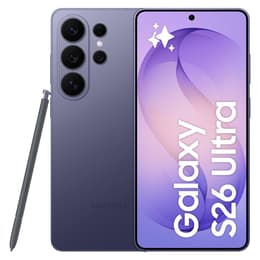
Galaxy S26 Ultra Vs Google Pixel 7A
- 1-year minimum warranty
- Free delivery on all orders
- Free 30-day returns
Differences at a glance
The Samsung Galaxy S26 Ultra (2026) and the Google Pixel 7A (2023) represent very different tiers and release eras within the Android smartphone market. While the Galaxy S26 Ultra functions as a modern high-end flagship loaded with extensive multi-lens camera systems and expansive workspace displays, the Google Pixel 7A serves as a compact mid-range device focused on streamlined everyday execution. Running on different generations of Android software, these two handsets differ significantly in physical scale, release timelines, and overall feature focus.
Available Models
Colour
Storage (GB)
Scores
Durability
When examining hardware age and update longevity, the Galaxy S26 Ultra and Google Pixel 7A occupy entirely different cycles due to their distinct release years.
- Release Timeline and Software Support: The Galaxy S26 Ultra launched in early 2026 with Android pre-installed and extended multi-year support commitments. The Google Pixel 7A debuted in mid-2023, meaning its active major operating system upgrade window is closer to its latter stages while continuing to receive standard security updates.
- Build Longevity and Repairability: The Galaxy S26 Ultra incorporates reinforced metal framing and high-durability screen glass designed to withstand long-term daily wear. The Pixel 7A utilizes a composite back with an aluminum frame, offering standard durability for everyday handling but differing in structural grade.
- Expected Practical Lifespan: Thanks to its newer release year and higher-tier hardware tier, the Galaxy S26 Ultra maintains a longer runway for future resource-heavy applications. Meanwhile, the Pixel 7A remains a reliable quality-assured refurbished option for users seeking core smartphone capabilities over an extended period.
Year of Release
2026
2023
Compatible with latest Update
Yes
Yes
OS
Android
Android
Foldable
No
No
Performance
System responsiveness and day-to-day processing capability vary noticeably between these two devices, driven by generational gaps in hardware design.
- Multitasking and App Loading: The Galaxy S26 Ultra handles heavy apps, high-end 3D gaming, and intensive background tasks instantly with maximum thermal efficiency. The Pixel 7A manages everyday messaging, web browsing, and standard streaming smoothly, though heavy multitasking or demanding games may occasionally trigger longer load intervals.
- Storage Configurations: The Galaxy S26 Ultra starts with higher baseline storage capacities suited for large media libraries and heavy local files. The Pixel 7A provides standard mid-tier storage space that accommodates everyday apps and photos comfortably for typical users.
- Battery Behavior: The Galaxy S26 Ultra features a high-capacity power cell designed to endure extended periods of heavy multimedia use and rapid charging capabilities. The Pixel 7A houses a smaller battery that easily gets through moderate daily routines, though heavy users may need a top-up before the end of the day.
Screen quality
Display characteristics define a major part of the user experience, separating a massive immersive workspace from a pocket-friendly panel.
- Display Technology and Size: The Galaxy S26 Ultra offers a large OLED screen spanning nearly 7 inches with deep contrast and vivid clarity. The Pixel 7A utilizes a compact 6.1-inch OLED panel that balances easy one-handed reach with sharp visual presentation.
- Brightness and Outdoor Legibility: The Galaxy S26 Ultra includes very high peak brightness thresholds for clear visibility under direct sunlight. The Pixel 7A provides adequate outdoor brightness levels for standard viewing tasks, though harsh glare may require manual adjustments.
- Refresh Rates and Fluidity: Both devices support high refresh rate technology, ensuring that scrolling through web pages, social feeds, and system menus appears smooth and responsive.
Resolution
1440 x 3120
1080 x 2400
Audiovisual
Optics and media playback capabilities differ substantially, reflecting the gap between a specialized multi-lens flagship array and a streamlined single-focus setup.
- Camera Systems: The Galaxy S26 Ultra features a versatile quad-camera array equipped with extreme-resolution primary sensors and long-range optical zoom lenses for distant subjects. The Pixel 7A relies on a dual-rear camera configuration known for processing natural skin tones and everyday snapshots reliably.
- Low-Light and Video Performance: The Galaxy S26 Ultra excels in dark environments through advanced image stacking and stabilization algorithms, alongside high-resolution video recording modes. The Pixel 7A performs admirably in dim lighting using automated computational photography software, though with simpler manual video controls.
- Audio Output: Both models integrate stereo speaker systems that deliver clear sound for hands-free calling, casual video viewing, and podcast listening.
Front camera
12.0
13 megapixels
Miscellaneous
Physical handling, connectivity standards, and daily utility elements shape how each phone fits into varied user routines.
- Connectivity and Ports: Both devices support rapid 5G cellular networks, modern Wi-Fi standards, and Bluetooth connections for accessories. Each relies on a standard USB-C port for charging and data transfers.
- Security Sensors: The Galaxy S26 Ultra integrates an ultrasonic fingerprint reader beneath the display alongside facial recognition options. The Pixel 7A utilizes an optical in-display fingerprint sensor paired with face unlock features.
- Dimensions and Weight: The Galaxy S26 Ultra has a larger, heavier footprint that prioritizes screen real estate. The Pixel 7A offers a lighter, more compact build that rests comfortably in smaller pockets and bags.
Weight
214 g
193 g
Screen size (in)
6.9
6.1
Network
5G
5G
SIM card
Physical SIM + eSIM
Physical SIM + eSIM
Carrier compatibility
Unlocked
Unlocked
Connector
USB-C
USB-C
What the community thinks
Choosing between the Samsung Galaxy S26 Ultra and the Google Pixel 7A depends entirely on individual priorities, daily workflows, and hardware expectations. Users who prioritize expansive display space, advanced multi-lens photography, and long-term processing headroom will find the Galaxy S26 Ultra well-suited to their needs. Conversely, users who prefer a compact form factor, straightforward software navigation, and a sustainable, quality-assured refurbished option may lean toward the Google Pixel 7A.
Review platforms and community discussions frequently praise the Galaxy S26 Ultra for its robust performance envelope and screen clarity, while occasionally noting its substantial physical weight. Discussions surrounding the Pixel 7A often highlight its user-friendly size and dependable everyday camera software, with some users noting that battery endurance can run lower under heavy workloads. Ultimately, both devices serve distinct consumer segments effectively without one being universally superior to the other.