
Compare models
Galaxy S25+ Vs Galaxy S26 Ultra
- 1-year minimum warranty
- Free delivery on all orders
- Free 30-day returns
Differences at a glance
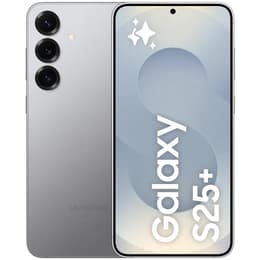
The Samsung Galaxy S25+ (2025) and Samsung Galaxy S26 Ultra (2026) represent different tiers of Samsung's flagship smartphone ecosystem. While both devices deliver high-end mobile computing, they cater to distinct device types within the large-screen smartphone category. The primary differentiators center on physical formatting, specialized tool integration, and photographic capabilities, while both operate on the Android operating system paired with Samsung's custom interface.
Choosing between these models involves looking closely at how physical build and everyday handling match your specific workflow, whether you prefer a streamlined profile or an expansive canvas with integrated utility.
Available Models
Colour
Storage
Scores
Durability
When examining long-term viability, both smartphones provide robust software support timelines typical of modern high-end devices, though their release schedules set different baselines for longevity.
- Software Update Schedule: Both models benefit from multi-year software and security patch commitments, with the newer release extending its support window by an additional year due to its 2026 launch date.
- Build and Repairability: Both devices utilize hardened glass and reinforced metal framing, though their physical construction impacts repair procedures differently depending on component availability and internal layout.
- Expected Lifespan: Both options maintain sufficient performance headroom for daily tasks over several years, making quality-assured refurbished options a sustainable choice for users seeking extended device longevity without compromise.
Year of Release
2025
2026
OS
Android
Android
Foldable
No
No
Performance
Under the hood, both smartphones manage demanding applications and multitasking smoothly, though their memory allocations and internal cooling systems offer different thresholds for heavy workloads.
- Memory and Multitasking: The Galaxy S26 Ultra features higher baseline random access memory configurations to support intensive background tasks, whereas the Galaxy S25+ balances daily multitasking efficiently with standard allocations.
- Battery Behavior: The larger physical footprint of the Galaxy S26 Ultra houses a higher-capacity battery for extended heavy use, while the Galaxy S25+ relies on a more compact power cell that comfortably sustains typical day-to-day routines.
- System Responsiveness: Both devices launch applications instantly and handle graphic-heavy mobile gaming without stuttering, ensuring fluid navigation across all user interfaces.
Screen quality
Display technology on both devices delivers sharp visuals and smooth motion, though they differ in physical dimensions and handling characteristics.
- Display Panel and Clarity: Both models utilize vibrant OLED panels with deep contrast ratios and sharp resolutions, ensuring clear text and vivid media reproduction.
- Brightness and Outdoor Legibility: Peak brightness levels on both screens allow for comfortable viewing under direct sunlight, automatically adjusting to ambient lighting conditions.
- Size and Refresh Rate: Both devices support high refresh rates for fluid scrolling, but the Galaxy S26 Ultra offers a slightly larger, flatter viewing surface compared to the mildly more rounded profile of the Galaxy S25+.
Resolution
1440x3120
1440 x 3120
Audiovisual
Imaging hardware varies notably between the two models, providing distinct options for photography enthusiasts and casual multimedia creators alike.
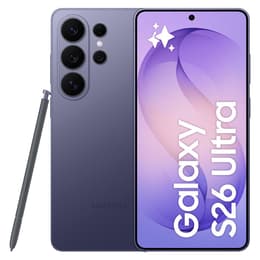
- Camera Array Versatility: The Galaxy S26 Ultra incorporates a high-resolution telephoto lens system for detailed long-range zoom, while the Galaxy S25+ utilizes a standard multi-lens configuration focused on everyday focal lengths.
- Low-Light and Video Performance: Both devices process low-light scenes effectively to reduce visual noise, and support stable high-resolution video recording with clear audio capture from built-in microphone arrays.
- Media Consumption: Stereo speaker output on both smartphones delivers balanced sound for casual video viewing and calls, though neither includes a traditional headphone jack.
Miscellaneous
Practical daily usability features highlight physical differences in handling, connectivity, and integrated toolsets between the two smartphones.
- Physical Form Factor: The Galaxy S25+ presents a lighter, more pocket-friendly profile, whereas the Galaxy S26 Ultra features a boxier, larger chassis designed to accommodate an integrated stylus.
- Connectivity and Ports: Both models support modern 5G networks, Wi-Fi standards, and Bluetooth protocols, utilizing a reversible USB-C port for charging and data transfer.
- Security Sensors: Quick biometric authentication is handled via responsive under-display fingerprint sensors and secure facial recognition options on both devices.
Weight
190 g
214 g
Screen size (in)
6.7
6.9
Network
5G
5G
SIM card
Dual Physical SIM
Physical SIM + eSIM
Carrier compatibility
Unlocked
Unlocked
What the community thinks
Community discussions across platforms like Reddit frequently highlight the Galaxy S25+ for its comfortable, lighter ergonomics and streamlined daily performance. Conversely, users often praise the Galaxy S26 Ultra for its expansive display area, advanced zoom capabilities, and the productivity benefits of its built-in stylus. Common concerns for the ultra model often center on its larger physical footprint, which can feel heavy during one-handed use, while the plus model is sometimes noted for lacking specialized long-range camera lenses.
Users prioritizing a lighter, more pocket-friendly device for everyday messaging and media consumption may prefer the Galaxy S25+, while users prioritizing maximum screen space, versatile photography options, and stylus utility will lean toward the Galaxy S26 Ultra. Choosing between them depends entirely on whether physical compactness or expanded tool versatility aligns better with your daily routine. Exploring eco-friendly refurbished alternatives provides a practical way to acquire either model while supporting sustainable technology consumption.