
iPhone

Compare models
Differences at a glance
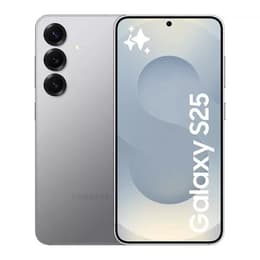
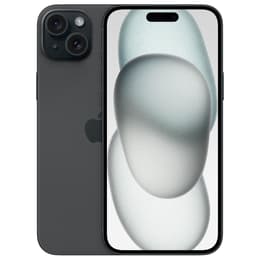
The Samsung Galaxy S25, released in early 2025, and the iPhone 15 Plus, launched in late 2023, represent two distinct approaches to large-screen smartphone design and functionality. While both devices offer expansive displays and robust performance, they differ significantly in their operating systems, camera capabilities, and display technologies. The Galaxy S25 operates on Android, providing a customizable experience, whereas the iPhone 15 Plus runs on iOS, known for its integrated ecosystem. These differences cater to varying user preferences, from those seeking the latest hardware advancements to those valuing a consistent software experience.
Colour
Storage
When considering the long-term usability of a smartphone, software support and physical resilience are key factors. The Galaxy S25 and iPhone 15 Plus offer different timelines for updates and varying degrees of repairability.
Year of Release
OS
Foldable
The performance of a smartphone is central to its daily operation, influencing everything from app responsiveness to gaming experiences. The Galaxy S25 and iPhone 15 Plus, despite their generational difference, deliver capable performance for a wide range of tasks.
The display is a primary interface for smartphone interaction, and both the Galaxy S25 and iPhone 15 Plus offer large, vibrant screens with distinct characteristics.
Resolution
Screen type
Both the Galaxy S25 and iPhone 15 Plus are equipped with advanced camera systems designed to capture high-quality photos and videos, though they approach imaging with different hardware configurations.
Beyond core features, several practical elements contribute to the overall user experience of the Galaxy S25 and iPhone 15 Plus, from connectivity to physical design.
Weight
Screen size (in)
Network
SIM card
Carrier compatibility
Users often praise the Samsung Galaxy S25 for its cutting-edge display technology, particularly the 120Hz adaptive refresh rate and high peak brightness, which contribute to a very fluid and vibrant visual experience. Its comprehensive camera system, including a dedicated telephoto lens and 8K video recording, is frequently highlighted for its versatility and detail. The extended software support commitment from Samsung is also a significant positive for long-term users. Some users, however, might find the base model's screen size to be on the smaller side compared to its Plus counterpart.
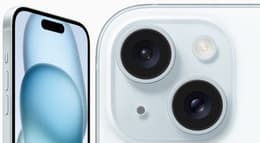
The iPhone 15 Plus is generally lauded for its consistent and intuitive iOS experience, robust performance for everyday tasks, and the integration of the Dynamic Island, which enhances user interaction. Its camera system, while dual-lens, is praised for its computational photography capabilities, delivering excellent image quality and advanced video features like Cinematic mode. The device's strong build quality and reliable battery life are also common points of appreciation. Some users might express a desire for a higher refresh rate display, as it remains at 60Hz.
Users prioritizing the absolute latest in display technology, a dedicated telephoto camera, and a highly customizable Android experience with extended software support may find the Galaxy S25 more aligned with their needs. Conversely, those who value a seamless and integrated ecosystem, consistent performance, and advanced video capabilities within a familiar iOS environment might lean towards the iPhone 15 Plus. Both devices offer compelling features, and choosing between them often comes down to individual preferences for operating system, camera versatility, and display fluidity. For those considering these devices, exploring quality-assured refurbished options can be a smart and sustainable choice.