

Compare models
Galaxy S25 Vs Galaxy S26
- 1-year minimum warranty
- Free delivery on all orders
- Free 30-day returns
Differences at a glance
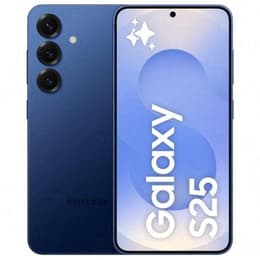
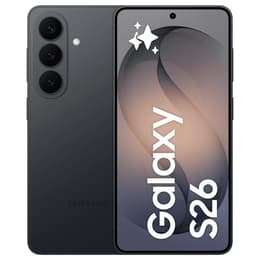
The Samsung Galaxy S25 (2025) and the Samsung Galaxy S26 (2026) represent consecutive generations of flagship Android smartphones designed for everyday communication, productivity, and entertainment. While both models share a compact footprint and run on the Android operating system, the newer Galaxy S26 introduces refined processing capabilities, a slightly larger viewing area, and a larger battery capacity. Choosing between these two devices involves weighing generational improvements against familiar, proven smartphone design.
Available Models
Colour
Storage
Scores
Durability
When evaluating hardware longevity and software support, both devices offer robust update lifecycles and sturdy construction, though their release timelines differ by one year.
- Software Support Timeline: Both models receive long-term operating system updates, with the Galaxy S26 extending its support window by one extra year due to its newer release date.
- Build Materials: Both devices feature durable glass backs and aluminum frames protected by high-strength glass layers, along with official water and dust resistance ratings.
- Practical Lifespan: Expected hardware durability is comparable, though users retaining devices for maximum multi-year software updates will find an advantage in the newer generation.
Year of Release
2025
2026
Compatible with latest Update
Yes
Yes
OS
Android
Android
Foldable
No
No
Performance
Underneath the exterior, both devices manage demanding applications, gaming, and rapid multitasking efficiently, though the newer model benefits from internal hardware refinements.
- Multitasking and Responsiveness: Both smartphones handle heavy apps, rapid switching, and complex background tasks smoothly, with the Galaxy S26 providing incremental improvements in system fluidity.
- Battery Behavior: The Galaxy S26 includes a larger battery capacity and increased energy efficiency compared to the Galaxy S25, resulting in slightly extended usage times between charges for typical daily activities.
- Storage Capacity: Both options offer ample built-in space for applications, media, and files, though base storage configurations vary by release year.
Screen quality
Both handsets utilize advanced OLED display technology to deliver sharp text, deep contrast ratios, and vivid color reproduction for daily viewing.
- Display Technology: Both models feature high-refresh-rate AMOLED panels that ensure smooth scrolling through web pages, documents, and user interfaces.
- Outdoor Visibility: High peak brightness levels on both screens allow for clear visibility when reading notifications or viewing photos under direct sunlight.
- Screen Real Estate: The Galaxy S26 offers a marginally larger screen diagonal within a similarly proportioned physical body, slightly expanding the viewing area.
Resolution
1080x2340
1080 x 2340
Audiovisual
Photography and video recording suites on both devices cater to casual users and mobile content creators looking for reliable, high-detail capture.
- Lens Configurations: Both smartphones include versatile multi-lens rear setups featuring main, ultra-wide, and telephoto capabilities for diverse shooting perspectives.
- Low-Light Capture: Image processing software on both models brightens dark scenes and controls digital noise effectively during evening or indoor photography.
- Video and Audio: Both units record high-resolution video with steady stabilization, complemented by clear microphone arrays for calls and stereo speakers for media playback.
Miscellaneous
Practical everyday features, physical dimensions, and connectivity options shape how each device fits into travel, professional, and student routines.
- Connectivity Standards: Both devices support modern 5G cellular networks, fast Wi-Fi protocols, and Bluetooth for accessories.
- Biometrics and Ports: Security is handled by responsive under-display fingerprint scanners and facial recognition, while charging and data transfer rely on universal Type-C ports.
- Physical Dimensions: Both smartphones maintain lightweight, pocket-friendly profiles, with minor millimeter-level variations in thickness and weight.
Weight
162 g
167 g
Screen size (in)
6.2
6.3
Network
5G
5G
SIM card
Dual Physical SIM
Dual Physical SIM + eSIM
Carrier compatibility
Unlocked
Unlocked
Connector
USB-C
USB-C
What the community thinks
Community discussions and user feedback indicate that owners of both devices appreciate their bright displays, reliable daily responsiveness, and pocket-friendly dimensions. Common observations across user forums note that while the Galaxy S25 remains a highly capable daily driver, some users report wishing for longer battery endurance under heavy workloads. Conversely, users transitioning to the Galaxy S26 frequently highlight the noticeable gains in battery longevity and slight processing speed increases.
Users prioritizing maximum battery endurance and extended software lifespan may prefer the Galaxy S26, while those seeking a reliable, high-performing smartphone at a different generational tier will find the Galaxy S25 well-suited to their needs. For consumers exploring sustainable options, choosing a quality-assured refurbished option provides an eco-friendly alternative without compromising on core flagship performance. Ultimately, the decision depends on whether extended software longevity or immediate feature availability takes priority.










