

Galaxy S25 Ultra Vs Xiaomi Redmi Note 14 4G

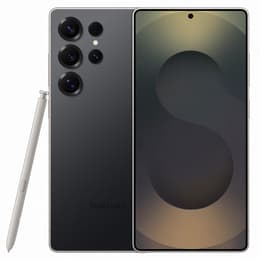
Galaxy S25 Ultra
Galaxy S25 Ultra
Starting at

Refurbished price:735.00

Versus €1,408.78 new

See options
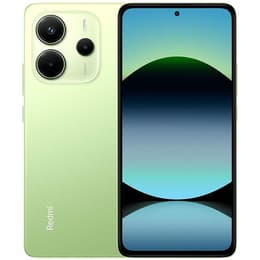
Xiaomi Redmi Note 14 4G
Starting at

Refurbished price:162.00

Versus €229.99 new

See options

Ratings

The Samsung Galaxy S25 Ultra, released in early 2025, and the Xiaomi Redmi Note 14 4G, launched in late 2024 or early 2025, represent distinct approaches to smartphone design and functionality. While both operate on the Android platform, the Galaxy S25 Ultra is positioned as a premium device with advanced features, whereas the Redmi Note 14 4G focuses on delivering a balanced experience for everyday use. Key differentiators lie in their processing power, camera systems, and display technologies, catering to different user priorities.

Scores

Durability

When considering the long-term usability of these devices, their respective release timelines and software support policies are important factors.

  • Software Longevity: The Samsung Galaxy S25 Ultra offers an extensive seven years of Android operating system upgrades and security updates, ensuring support until 2032. This commitment provides a prolonged period of access to the latest features and security enhancements. In contrast, the Xiaomi Redmi Note 14 4G is slated to receive four major Android updates and six years of security updates, extending its support until March 2031.
  • Physical Durability: The Galaxy S25 Ultra features Corning Gorilla Armor 2 for enhanced screen protection and boasts an IP68 rating for significant dust and water resistance, indicating a high level of resilience against environmental factors. The Redmi Note 14 4G comes with Corning Gorilla Glass 5 protection and an IP54 rating, offering a good level of splash and dust resistance for daily use.
  • Expected Lifespan: Users prioritizing the longest possible software support and robust physical protection will find the Galaxy S25 Ultra well-suited. The Redmi Note 14 4G, while offering substantial support for its category, provides a slightly shorter update window and a lower degree of water and dust resistance.

Year of Release

2025

2025

OS

Android

Android

Foldable

No

No

Performance

The performance capabilities of these two smartphones cater to different user demands, primarily influenced by their internal components.

  • Processing Power: The Galaxy S25 Ultra is equipped with a powerful current-generation processor, designed to handle demanding applications, intensive multitasking, and advanced AI features with fluidity. This translates to exceptionally smooth operation and rapid app loading times. The Redmi Note 14 4G utilizes a capable processor that provides a smooth and balanced experience for everyday tasks and casual gaming.
  • Multitasking and Responsiveness: With a standard 12GB of RAM, the Galaxy S25 Ultra offers substantial capacity for seamless multitasking, allowing users to switch between numerous applications without slowdowns. The Redmi Note 14 4G typically comes with 6GB or 8GB of RAM, which is sufficient for general usage and managing multiple apps, though it may not match the Ultra's capacity for extreme multitasking.
  • Storage Options: The Galaxy S25 Ultra offers generous internal storage options starting from 256GB, with higher tiers available up to 1TB, catering to users with extensive media libraries or large application needs. The Redmi Note 14 4G provides 128GB or 256GB of internal storage, with the added flexibility of expandable storage via a microSD card, which can be beneficial for users who prefer physical storage expansion.

Memory (GB)

12 GB

6 GB

Screen quality

The visual experience on both devices is delivered through high-quality displays, though with notable differences in technology and specifications.

  • Display Technology and Clarity: The Samsung Galaxy S25 Ultra features a 6.9-inch Dynamic LTPO AMOLED 2X display with a QHD+ resolution (3120x1440 pixels), offering exceptional sharpness and vibrant colors. The Redmi Note 14 4G sports a 6.67-inch AMOLED panel with a Full HD+ resolution (1080x2400 pixels), providing clear visuals and good color reproduction for its class.
  • Brightness and Refresh Rate: The Galaxy S25 Ultra's display can reach a peak brightness of up to 2600 nits, ensuring excellent visibility even in bright outdoor conditions, and features an adaptive refresh rate that dynamically adjusts between 1Hz and 120Hz for smooth scrolling and power efficiency. The Redmi Note 14 4G offers a peak brightness of up to 1800 nits (some sources mention 2100 nits) and a consistent 120Hz refresh rate, contributing to a fluid user interface experience.
  • Viewing Experience: Users seeking the most detailed and brightest display with advanced adaptive refresh rate technology will find the Galaxy S25 Ultra's screen to be a premium choice. The Redmi Note 14 4G provides a large, vibrant AMOLED screen with a high refresh rate, offering a satisfying viewing experience for media consumption and daily interactions.

Resolution

1080 x 2340 pixels

1080x2400

Audiovisual

The camera systems on these smartphones are designed to meet different photographic needs and expectations.

  • Rear Camera Capabilities: The Samsung Galaxy S25 Ultra features a versatile quad-camera setup, including a 200MP main sensor, a 50MP ultrawide lens, and two telephoto lenses (10MP with 3x optical zoom and 50MP with 5x optical zoom). This configuration allows for detailed wide-angle shots, impressive zoom capabilities, and high-resolution main images. The Xiaomi Redmi Note 14 4G comes with a triple-camera system, highlighted by a 108MP main sensor, complemented by 2MP macro and 2MP depth sensors.
  • Low-Light and Video Performance: The Galaxy S25 Ultra excels in low-light photography and video recording, leveraging its large main sensor and advanced processing to capture clear and detailed images in challenging conditions. It also supports high-resolution video recording. The Redmi Note 14 4G's 108MP main camera is capable of capturing good photos in everyday lighting, and while it performs adequately in low light, it may not match the specialized low-light capabilities of the Ultra.
  • Front Camera and Audio: For selfies and video calls, the Galaxy S25 Ultra includes a 12MP front camera. The Redmi Note 14 4G features a 20MP front camera. Both devices offer stereo speakers, with the Redmi Note 14 4G specifically mentioning Dolby Atmos support for an immersive audio experience.

Miscellaneous

Beyond core specifications, several practical elements contribute to the overall user experience of each device.

  • Connectivity and Ports: The Samsung Galaxy S25 Ultra supports 5G connectivity, along with the latest Wi-Fi standards and Bluetooth, ensuring fast and reliable wireless connections. It features a USB-C port for charging and data transfer. The Xiaomi Redmi Note 14 4G, as its name suggests, supports 4G LTE connectivity, Wi-Fi 5, and Bluetooth 5.3. It includes a USB-C port and retains a 3.5mm headphone jack, which can be a significant advantage for users who prefer wired audio accessories.
  • Biometrics and Sensors: The Galaxy S25 Ultra incorporates an ultrasonic in-screen fingerprint sensor for secure and convenient unlocking, alongside advanced facial recognition. The Redmi Note 14 4G also features an in-display optical fingerprint sensor, providing a modern and accessible biometric security option.
  • Design and Handling: The Galaxy S25 Ultra has a refined design with a thickness of 8.2mm and a weight of 218 grams, offering a premium in-hand feel. It also integrates the S Pen stylus for enhanced productivity and creative tasks. The Redmi Note 14 4G measures 163.25 x 76.55 x 8.16 mm and weighs 196.5 grams, featuring flat edges that contribute to a secure grip.

Weight

2 g

196 g

Screen size (in)

6.9

6.67

Network

5G

4G

SIM card

Physical SIM + eSIM

Physical SIM + eSIM

Carrier compatibility

Unlocked

Unlocked

User feedback for the Samsung Galaxy S25 Ultra often highlights its exceptional display quality, with many praising its brightness and clarity for an immersive viewing experience. The device's battery life is frequently commended, with some users reporting up to 1.5 days of usage on a single charge, even with heavy use. Its smooth performance and the integration of advanced AI features are also points of appreciation. Common criticisms include the preference for a side-mounted fingerprint sensor over the in-screen option, and some users note a perceived lack of 'true' fast charging compared to certain competitors. There are also mentions of occasional camera shutter lag.

For the Xiaomi Redmi Note 14 4G, users generally praise its vibrant AMOLED display and the smooth experience provided by its 120Hz refresh rate. The battery life is often cited as a strong point, with its large capacity supporting extended usage. Its performance for everyday tasks and casual gaming is considered balanced and reliable. However, some users express disappointment over the removal of the ultrawide camera and consider the secondary macro and depth sensors to be less impactful.

Users prioritizing a top-tier display, advanced camera capabilities, and the longest possible software support for a premium Android experience may prefer the Samsung Galaxy S25 Ultra. Its integrated S Pen and robust build are also key considerations. Conversely, users seeking a device with a strong battery, a good quality AMOLED screen, and reliable performance for daily tasks, along with the convenience of a headphone jack and expandable storage, will find the Xiaomi Redmi Note 14 4G well-suited to their needs. Both devices offer compelling features for their respective audiences, and choosing a quality-assured refurbished option can provide an eco-friendly alternative for either model.

See all articles

Our recent comparisons