

Galaxy S9 Vs iPhone 13 Pro Max

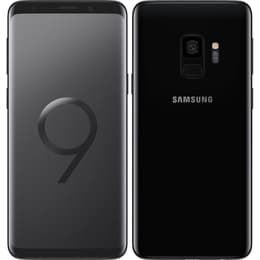
Galaxy S9
Galaxy S9
Starting at

Refurbished price:131.41

Versus €499.00 new

See options
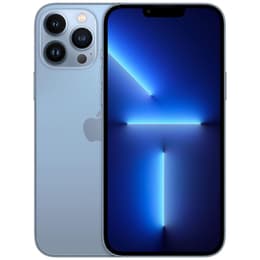
iPhone 13 Pro Max
iPhone 13 Pro Max
Starting at

Refurbished price:369.00

Versus €1,249.00 new

See options

Ratings

The Samsung Galaxy S9, released in March 2018, and the iPhone 13 Pro Max, launched in September 2021, represent different eras in smartphone technology. While both devices offer a premium smartphone experience, the significant time difference between their releases results in distinct differences in their operating systems, hardware capabilities, and overall user experience. The Galaxy S9 operates on the Android platform, while the iPhone 13 Pro Max runs on iOS, each offering its unique ecosystem and interface.

Scores

Durability

The longevity of a smartphone is influenced by its release timeline, software support, and physical resilience. These two devices show considerable differences in their expected practical lifespans.

  • Software Support: The Samsung Galaxy S9, released in 2018, received its last major Android update with Android 10 and its final security patch in March 2022, marking the end of official software support from Samsung. In contrast, the iPhone 13 Pro Max, launched in 2021, continues to receive regular iOS updates and is expected to be supported for several more years, offering a longer period of access to new features and security enhancements.
  • Physical Durability: The Galaxy S9 features Corning Gorilla Glass 5 on both its front and back, providing a degree of scratch and drop resistance. The iPhone 13 Pro Max incorporates Apple's Ceramic Shield front cover, which offers enhanced drop performance, and both devices carry an IP68 rating for dust and water resistance.
  • Expected Lifespan: Due to its newer release and Apple's extended software support, the iPhone 13 Pro Max generally offers a longer practical lifespan in terms of receiving critical updates and compatibility with the latest applications. The Galaxy S9, while still functional, will not benefit from future OS advancements or security patches.

Year of Release

2018

2021

Compatible with latest Update

No

Yes

OS

Android

iOS

Foldable

No

No

Performance

Performance is a key differentiator, largely influenced by the age of the internal components and the efficiency of the operating system.

  • Processing Power: The Galaxy S9, powered by a processor from 2018, handles everyday tasks and less demanding applications smoothly. However, users may notice slower loading times and less fluid multitasking with more intensive apps or modern mobile games. The iPhone 13 Pro Max, featuring a significantly newer and more powerful processor, delivers exceptionally fast and responsive performance across all applications, including graphically demanding games and professional-grade video editing.
  • Multitasking and Storage: The Galaxy S9 typically came with 4GB of RAM, which was sufficient for its time but can limit the number of applications that can run simultaneously without refreshing. Storage options for the S9 ranged from 64GB to 256GB, with expandable storage via a microSD card. The iPhone 13 Pro Max offers 6GB of RAM, enabling seamless multitasking and efficient handling of numerous open applications. It comes with storage options starting from 128GB and going up to 1TB, without expandable storage.
  • Battery Behavior: The Galaxy S9 is equipped with a 3000 mAh battery, which for typical use, might require daily charging, especially for moderate to heavy users. The iPhone 13 Pro Max features a larger 4352 mAh battery, designed to provide extended usage, often lasting a full day or more for many users, even with demanding tasks.

Memory (GB)

4 GB

6 GB

Screen quality

The visual experience on both devices is shaped by their display technologies, resolution, and brightness capabilities.

  • Display Technology and Clarity: The Samsung Galaxy S9 features a 5.8-inch Super AMOLED display with a resolution of 2960 x 1440 pixels, offering vibrant colors and deep blacks. The iPhone 13 Pro Max boasts a larger 6.7-inch Super Retina XDR OLED display with a resolution of 2778 x 1284 pixels, also providing excellent color accuracy and contrast.
  • Brightness and Refresh Rate: The S9's display offers good brightness for indoor and outdoor viewing, with a standard 60Hz refresh rate. The iPhone 13 Pro Max features higher peak brightness levels, making it more comfortable to view in bright sunlight, and includes ProMotion technology, which provides an adaptive refresh rate up to 120Hz. This higher refresh rate results in smoother scrolling and more fluid animations.
  • Viewing Experience: The larger screen size of the iPhone 13 Pro Max provides a more expansive viewing area, which can enhance media consumption and productivity tasks. Both displays offer high pixel densities, ensuring sharp text and detailed images.

Resolution

1440 x 2960

1284 x 2778

Screen type

Super AMOLED

Super Retina XDR OLED

Audiovisual

Camera capabilities have evolved significantly, and this is evident when comparing the imaging systems of these two smartphones.

  • Rear Camera System: The Galaxy S9 features a single 12-megapixel rear camera with a variable aperture (f/1.5-f/2.4) and optical image stabilization, designed to adapt to different lighting conditions. The iPhone 13 Pro Max comes with a triple 12-megapixel camera system, including a wide, ultra-wide, and telephoto lens, offering greater versatility in photography.
  • Photography Performance: The S9's camera was notable for its low-light performance at the time of its release. The iPhone 13 Pro Max excels in various lighting scenarios, with enhanced low-light capabilities, Night mode, and advanced computational photography features like Smart HDR 4 and Deep Fusion, resulting in highly detailed and color-accurate images.
  • Video Recording and Audio: The Galaxy S9 can record 4K video at up to 60 frames per second. The iPhone 13 Pro Max offers advanced video features such as Cinematic mode for shallow depth-of-field effects, ProRes video recording for professional workflows, and HDR video recording with Dolby Vision, providing high-quality video capture. Both devices offer stereo speakers for media consumption, with the iPhone 13 Pro Max generally providing a richer audio experience.

Main camera

12 megapixels

12 megapixels

Front camera

8 megapixels

12 megapixels

Miscellaneous

Beyond core features, several practical elements contribute to the overall user experience and daily convenience.

  • Connectivity and Ports: The Galaxy S9 supports 4G LTE, Wi-Fi 5, and Bluetooth 5.0. It notably includes a 3.5mm headphone jack and a USB-C port for charging and data transfer. The iPhone 13 Pro Max supports 5G connectivity, Wi-Fi 6, and Bluetooth 5.0, offering faster wireless speeds. It uses a Lightning port for charging and data, and does not feature a 3.5mm headphone jack.
  • Biometric Security: The S9 offers multiple biometric options, including a rear-mounted fingerprint sensor and an iris scanner. The iPhone 13 Pro Max relies on Face ID, Apple's facial recognition system, for secure unlocking and authentication.
  • Design and Handling: The Galaxy S9 has dimensions of 147.7 x 68.7 x 8.5 mm and weighs 163 grams. The iPhone 13 Pro Max is a larger and heavier device, measuring 160.8 x 78.1 x 7.65 mm and weighing 240 grams, which can impact one-handed use and pocketability. Both devices feature premium build materials, with glass backs and metal frames.

Weight

163 g

238 g

Width

6,87 cm

7,81 cm

Height

14,77 cm

16,08 cm

Depth

0,85 cm

0,76 cm

Screen size (in)

5.8

6.7

Network

4G

5G

SIM card

Physical SIM

Physical SIM + eSIM

Carrier compatibility

Unlocked

Unlocked

Connector

USB-C + Jack 3.5mm

Lightning

The Samsung Galaxy S9 and iPhone 13 Pro Max cater to different user needs, largely due to their generational gap and distinct operating systems. Users often praise the Galaxy S9 for its compact size and the inclusion of a headphone jack, features that have become less common in newer smartphones. Some criticisms for the S9, particularly in current times, revolve around its aging battery life and the cessation of software updates, which can impact security and app compatibility. The iPhone 13 Pro Max is frequently lauded by users for its exceptional battery life, powerful performance, and advanced camera system, making it a strong choice for demanding tasks and photography enthusiasts. Common feedback sometimes points to its larger size and weight as a factor for those preferring smaller devices.

Users prioritizing a more compact device with a traditional headphone jack and who primarily use their phone for basic communication and media consumption may find the Galaxy S9 suitable, especially if they are comfortable with an older Android operating system. Conversely, users who require top-tier performance for gaming, professional applications, and advanced photography, along with extended software support and superior battery endurance, will find the iPhone 13 Pro Max to be a more aligned choice. For those seeking an eco-friendly alternative, considering either of these models as a quality-assured refurbished option can be a practical way to access advanced technology while making a sustainable choice.


See all articles

Our recent comparisons