

Galaxy Z Flip6 Vs iPhone 13 mini

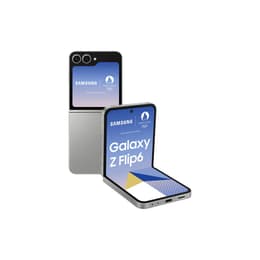
Galaxy Z Flip6
Galaxy Z Flip6
Starting at

Refurbished price:415.00

Versus €1,199.99 new

See options
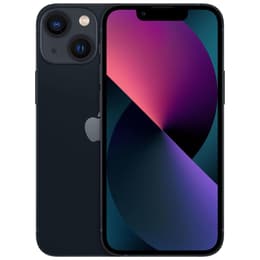
iPhone 13 mini
iPhone 13 mini
Starting at

Refurbished price:228.00

Versus €829.00 new

See options

Ratings

The Samsung Galaxy Z Flip6, released in July 2024, represents Samsung's latest iteration in its foldable smartphone line, offering a unique clamshell design. In contrast, the iPhone 13 Mini, launched in September 2021, is Apple's compact flagship, known for its traditional slab form factor. The primary differentiators between these two devices lie in their distinct designs—a folding screen versus a compact rigid display—and their respective operating systems, Android with Samsung's One UI and Apple's iOS.

Scores

Durability

When considering the long-term usability of a smartphone, factors like software support, physical resilience, and repairability are important. The Galaxy Z Flip6, being a newer device, benefits from an extended software support commitment from Samsung, while the iPhone 13 Mini, though older, still offers a substantial lifespan due to Apple's consistent update policy.

  • Release Timeline and Software Support: The Galaxy Z Flip6 was released in July 2024 and is promised 7 generations of Android OS updates and 7 years of security updates, extending its software longevity significantly. The iPhone 13 Mini, released in September 2021, typically receives 5-6 years of iOS updates from its launch, with support likely continuing until around 2026-2027.
  • Physical Durability: The Galaxy Z Flip6 features an enhanced armored aluminum frame and an IP48 rating for water and dust resistance, a notable improvement over its predecessor, though the internal foldable screen remains more susceptible to scratches than traditional displays. The iPhone 13 Mini incorporates Ceramic Shield protection on the front and back, an aerospace-grade aluminum frame, and an IP68 rating for water and dust resistance, offering robust protection for a traditional smartphone.
  • Expected Practical Lifespan: Both devices are built to last, with the Z Flip6's newer release and extended software commitment potentially offering a longer period of up-to-date functionality. The iPhone 13 Mini, despite its age, is noted by users for its compact size contributing to its perceived durability in drops.

Year of Release

2024

2021

Compatible with latest Update

Yes

Yes

OS

Android

iOS

Foldable

Yes

No

Performance

The performance of a smartphone is largely dictated by its internal components, influencing how smoothly applications run, how quickly tasks are completed, and the overall responsiveness of the user experience. Both the Galaxy Z Flip6 and the iPhone 13 Mini offer capable performance for their respective generations, though their underlying architectures differ.

  • Processor Capabilities: The Galaxy Z Flip6 is equipped with a current-generation processor, designed to handle demanding applications and multitasking with efficiency. The iPhone 13 Mini features a powerful chip from its release year, which continues to provide smooth performance for everyday tasks and many graphically intensive applications.
  • Multitasking and Responsiveness: With 12GB of RAM, the Galaxy Z Flip6 is well-suited for extensive multitasking and running numerous applications simultaneously without slowdowns. The iPhone 13 Mini, with 4GB of RAM, manages multitasking effectively within the iOS ecosystem, providing a responsive user experience for typical smartphone usage.
  • Storage Options: The Galaxy Z Flip6 offers storage configurations of 256GB or 512GB, providing ample space for apps, media, and files. The iPhone 13 Mini is available with 128GB, 256GB, or 512GB of internal storage, catering to various user needs for digital content.

Memory (GB)

12 GB

4 GB

Screen quality

The display is a primary interface for smartphone interaction, and both devices offer distinct visual experiences due to their different form factors and display technologies.

  • Display Technology and Size: The Galaxy Z Flip6 features a 6.7-inch foldable Dynamic AMOLED 2X main display and a 3.4-inch Super AMOLED cover screen, offering a versatile viewing experience. The iPhone 13 Mini has a 5.4-inch Super Retina XDR OLED display, providing a compact yet vibrant visual experience.
  • Resolution and Clarity: The Z Flip6's main display has a resolution of 2640x1080 pixels, while its cover screen is 720x748 pixels. The iPhone 13 Mini offers a 2340x1080 pixel resolution at 476 pixels per inch, resulting in a sharp and clear image on its smaller screen.
  • Brightness and Refresh Rate: The Galaxy Z Flip6's main display supports a 120Hz refresh rate and can reach up to 2600 nits peak brightness for HDR content, ensuring smooth visuals and good outdoor visibility. The iPhone 13 Mini features a standard 60Hz refresh rate, with typical brightness up to 800 nits and peak brightness of 1200 nits for HDR content.

Resolution

1080 x 2640

1080 x 2340

Screen type

Foldable Dynamic LTPO AMOLED 2X

Super Retina XDR OLED

Audiovisual

Camera capabilities are a significant consideration for many users, and both the Galaxy Z Flip6 and the iPhone 13 Mini offer robust systems for capturing photos and videos, each with their own strengths.

  • Camera System Configuration: The Galaxy Z Flip6 features a dual-camera system with a 50MP wide-angle main lens and a 12MP ultra-wide-angle lens. The iPhone 13 Mini also has a dual 12MP camera system, comprising a wide and an ultra-wide lens.
  • Photography Performance: The Z Flip6's main camera offers improved detail and dynamic range in daylight, with good video stabilization. However, some users note inconsistencies in portrait mode and struggles with low-light noise. The iPhone 13 Mini is recognized for its strong low-light performance, accurate colors, and effective sensor-shift optical image stabilization.
  • Video Recording and Features: The Galaxy Z Flip6 can record sharp 4K videos at up to 60fps, with vibrant colors and strong dynamic range. The iPhone 13 Mini supports 4K video recording at up to 60fps and includes features like Cinematic Mode for shallow depth of field in videos.

Main camera

50 megapixels

12 megapixels

Front camera

10 megapixels

12 megapixels

Miscellaneous

Beyond the core specifications, several practical elements contribute to the overall user experience, from how a device connects to other technologies to its physical design and handling.

  • Connectivity and Ports: The Galaxy Z Flip6 supports 5G networks, Wi-Fi 6E/7, and Bluetooth 5.3/5.4, and features a USB-C port for charging and data transfer. The iPhone 13 Mini also supports 5G networks, Wi-Fi 6, and Bluetooth 5.0, utilizing a Lightning port.
  • Biometric Security: The Galaxy Z Flip6 typically incorporates a side-mounted fingerprint sensor for secure unlocking. The iPhone 13 Mini relies on Face ID for facial recognition as its primary biometric security method.
  • Physical Design and Handling: The Galaxy Z Flip6, with its foldable design, measures 71.9 x 85.1 x 14.9mm when folded and 71.9 x 165.1 x 6.9mm when unfolded, weighing 187g. The iPhone 13 Mini is a compact device, measuring 131.5 x 64.2 x 7.65mm and weighing 141g, designed for easy one-handed use.

Weight

187 g

140 g

Screen size (in)

6.7

5.4

Network

5G

5G

SIM card

Physical SIM + eSIM

Physical SIM + eSIM

Carrier compatibility

Unlocked

Unlocked

The Samsung Galaxy Z Flip6 and the iPhone 13 Mini cater to different user preferences, primarily distinguished by their form factors and operating systems. The Z Flip6 is often praised for its innovative foldable design, which offers a compact footprint when closed and a larger screen when unfolded. Users appreciate its modern processor and the versatility of its dual displays. However, some common concerns include the durability of the foldable screen and the functionality of the cover screen compared to some competitors.

The iPhone 13 Mini, on the other hand, receives consistent acclaim for its compact size, making it comfortable for one-handed use and easy to carry. Its camera system is well-regarded for consistent performance, especially in low light, and its overall system responsiveness is a frequent highlight. Criticisms often revolve around its smaller battery capacity compared to larger phones and the standard 60Hz refresh rate of its display.

Users prioritizing a modern, innovative design with a larger screen that folds into a pocketable size, along with extended software support, may find the Galaxy Z Flip6 well-suited to their needs. Its powerful performance and versatile camera system make it a strong contender for those who enjoy the unique aspects of a foldable device. Conversely, users who value a highly compact, traditional smartphone experience with robust durability, a consistently performing camera, and the streamlined iOS ecosystem will likely lean towards the iPhone 13 Mini. It remains an excellent choice for those seeking a smaller device without significant compromises on core smartphone functionality.

Both devices, whether new or as quality-assured refurbished options, offer distinct advantages depending on individual priorities, enabling informed and sustainable choices.
See all articles

Our recent comparisons