iPhone

Compare models
Differences at a glance
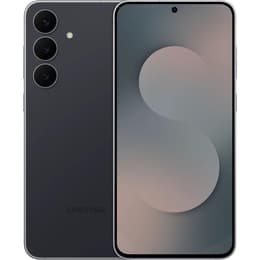
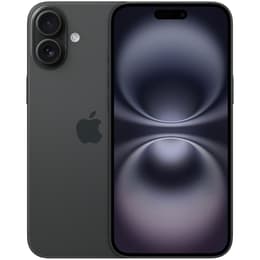
The Samsung Galaxy S25 FE (2025) and the Apple iPhone 16 Plus (2024) are large-screen smartphones designed to deliver high-tier functionality without stepping into ultra-premium pricing categories. While both models feature spacious 6.7-inch displays and robust everyday capabilities, they operate on different software ecosystems and prioritize distinct hardware approaches. The Samsung device runs on Android, whereas the Apple model operates on iOS, creating a foundational split for users choosing between these two well-rounded options.
Colour
Storage
Both smartphones provide solid long-term usability, though their support timelines and software update frequencies reflect their respective manufacturer policies. Users evaluating a quality-assured refurbished option will find that both models maintain strong structural integrity and reliable software lifespans.
Year of Release
Compatible with latest Update
Foldable
Both models handle demanding everyday tasks, multitasking, and media streaming smoothly, utilizing powerful internal hardware and ample memory configurations. Users will experience responsive app switching and fluid navigation across both platforms.
Both devices offer large, vibrant viewing spaces well-suited for watching videos, browsing, and reading. Their display panels provide sharp details and high brightness levels for comfortable outdoor visibility.
The camera systems on both smartphones are built to capture sharp, detailed photos and smooth videos across a variety of lighting conditions. Users will find capable multi-lens setups that excel in everyday point-and-shoot scenarios.
Practical everyday features such as connectivity standards, biometric security, and physical handling characteristics shape how these devices fit into daily routines. Both models offer modern connectivity options suited for fast mobile networks.
Weight
Screen size (in)
Network
SIM card
Carrier compatibility
Connector
User discussions across community forums highlight consistent praise for the bright, expansive screens and dependable battery life found on both the Galaxy S25 FE and the iPhone 16 Plus. Common criticisms generally point toward their large physical footprints, which can make one-handed operation challenging for some individuals. Users prioritizing seamless integration with Apple services and long-standing iOS familiarity will find the iPhone model well-suited to their workflow, while those who favor Android customization options, flexible file management, and sustainable choices like an eco-friendly alternative will lean toward the Samsung device.










