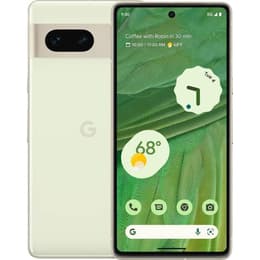
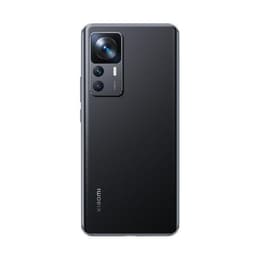

Google Pixel 7 Vs Xiaomi 12T

Google Pixel 7
Google Pixel 7
Starting at

Refurbished price:160.00

Versus €756.00 new

See options
Xiaomi 12T
Xiaomi 12T
Starting at

Refurbished price:140.00

Versus €649.00 new

See options

Ratings

The Google Pixel 7 and the Xiaomi 12T, both released in October 2022, are Android smartphones that offer distinct approaches to mobile technology. While the Pixel 7 emphasizes a streamlined software experience and advanced computational photography, the Xiaomi 12T focuses on a high-refresh-rate display and rapid charging capabilities. Both devices run on the Android operating system, but they feature different user interfaces and software philosophies.

Scores

Durability

When considering the long-term usability of these devices, their release timelines and software support policies are key factors. Both phones were launched in October 2022, making them similar in age. [1, 4, 9, 10, 13, 17]

  • Software Support: The Google Pixel 7 is guaranteed to receive five years of OS and security updates from its initial release date, extending its support until Android 18. [15, 19, 29] In contrast, the Xiaomi 12T is slated for three major Android OS updates, reaching Android 15, and four years of security updates. [2, 11, 21] This difference means the Pixel 7 will likely receive software features and security patches for a longer duration.
  • Repairability: The Google Pixel 7 has a repairability score of 6 out of 10, with some components like the battery being difficult to remove and the charging port often soldered to the motherboard. [6, 23] While a specific repairability score for the Xiaomi 12T was not readily available, Xiaomi has offered services like a free screen replacement within the first six months and free labor for one out-of-warranty repair within 12 months in some regions. [36, 38]
  • Expected Lifespan: Users prioritizing extended software longevity and the latest Android versions will find the Pixel 7's longer update commitment beneficial. The practical lifespan for both devices will also depend on hardware durability and individual usage patterns.

Year of Release

2022

2022

Compatible with latest Update

Yes

Yes

OS

Android

Android

Foldable

No

No

Performance

The performance of a smartphone is crucial for daily tasks, app usage, and multitasking. Both the Google Pixel 7 and Xiaomi 12T are equipped with capable internal components designed to handle modern mobile demands.

  • Processing Power: The Google Pixel 7 features a processor designed by Google, which is optimized for artificial intelligence and machine learning tasks, contributing to its camera processing and overall system intelligence. [9, 14] The Xiaomi 12T is powered by a MediaTek processor, which delivers strong performance for demanding applications and gaming. [1, 5, 10]
  • Multitasking and Responsiveness: Both devices typically come with 8GB of RAM, allowing for smooth multitasking and quick app switching. [1, 4, 9, 13] Users generally report that both phones offer a responsive experience for everyday use, including browsing, social media, and media consumption.
  • Battery Behavior: The Xiaomi 12T houses a larger 5000mAh battery, compared to the Pixel 7's 4355mAh battery. [1, 9, 14] Despite its larger capacity, some Xiaomi 12T users have reported concerns about battery drain, particularly with heavy usage. [18, 24] Pixel 7 users have also noted that its battery life is decent but not exceptional, with some experiencing the device running warm during intensive tasks. [26, 27, 33]

Memory (GB)

8 GB

8 GB

Screen quality

The display is a primary interface for smartphone interaction, and both the Pixel 7 and Xiaomi 12T offer vibrant viewing experiences with distinct characteristics.

  • Display Technology and Resolution: The Google Pixel 7 features a 6.3-inch OLED display with a 2400x1080 pixel resolution, providing clear and colorful visuals. [8, 9, 14] The Xiaomi 12T boasts a larger 6.67-inch AMOLED display with a higher resolution of 1220x2712 pixels, resulting in a sharper image with a pixel density of 446 ppi. [1, 5, 10, 12, 17]
  • Refresh Rate and Smoothness: The Pixel 7 offers a 90Hz refresh rate, which provides a smoother scrolling experience compared to standard 60Hz displays. [8, 9, 14] The Xiaomi 12T steps this up with a 120Hz refresh rate and a 480Hz touch sampling rate, contributing to a very fluid visual experience and highly responsive touch input, particularly noticeable in fast-paced content or gaming. [1, 5, 17]
  • Brightness and Durability: Both phones offer good brightness levels for outdoor visibility. The Pixel 7 uses Corning Gorilla Glass Victus for screen protection, while the Xiaomi 12T uses Gorilla Glass 5. [5, 8, 9, 14]

Resolution

1080 x 2400

1220 x 2712

Screen type

AMOLED

AMOLED

Audiovisual

Both smartphones are equipped with advanced camera systems designed to capture high-quality photos and videos, though they differ in their sensor configurations and photographic strengths.

  • Rear Camera Systems: The Google Pixel 7 features a dual-camera setup with a 50-megapixel main sensor and a 12-megapixel ultrawide lens. [13, 14] It is known for its computational photography, which enhances image quality, especially in challenging lighting conditions. The Xiaomi 12T comes with a triple-camera system, including a high-resolution 108-megapixel main sensor with optical image stabilization (OIS), an 8-megapixel ultrawide lens, and a 2-megapixel macro camera. [1, 5, 12, 17]
  • Photography Performance: The Pixel 7 generally excels in producing consistent, natural-looking photos with excellent detail and dynamic range, often praised for its point-and-shoot reliability. [33] The Xiaomi 12T's 108MP main camera can capture detailed images, but some users have noted that its low-light performance and default color processing might not always be as consistent as desired. [24, 34]
  • Video Recording and Front Camera: Both devices support 4K video recording. The Pixel 7 has a 10.8-megapixel front camera, while the Xiaomi 12T features a 20-megapixel front camera, offering good options for selfies and video calls. [1, 5, 13, 14]

Main camera

50 megapixels

108 megapixels

Front camera

10.8 megapixels

20 megapixels

Miscellaneous

Beyond core performance and display, several other features contribute to the overall user experience and practical utility of these smartphones.

  • Connectivity and Ports: Both the Google Pixel 7 and Xiaomi 12T support 5G connectivity, along with modern Wi-Fi standards and Bluetooth for wireless connections. [5, 8, 12] The Pixel 7 uses a USB-C port for charging and data transfer, while the Xiaomi 12T also features a USB-C port. Neither device includes a traditional 3.5mm headphone jack. [33]
  • Biometric Security: Both phones incorporate in-display fingerprint sensors for secure unlocking. [5] However, some Pixel 7 users have reported the fingerprint scanner can be slow or inconsistent. [26, 27, 28, 33] The Xiaomi 12T also includes face unlock. [1]
  • Design and Handling: The Pixel 7 has dimensions of 155.6 x 73.2 x 8.7 mm and weighs 197g, offering a relatively compact form factor. [9] The Xiaomi 12T is slightly larger and heavier at 163.1 x 75.9 x 8.6 mm and 202g. [5, 10] The Pixel 7 has an IP68 rating for dust and water resistance, while the Xiaomi 12T has an IP53 rating for splash resistance. [5]

Weight

197 g

220 g

Screen size (in)

6.3

6.67

Network

5G

5G

SIM card

Physical SIM + eSIM

Dual Physical SIM

Carrier compatibility

Unlocked

Unlocked

The Google Pixel 7 and Xiaomi 12T, both launched in late 2022, present compelling options for different user needs. The Pixel 7 is frequently praised for its exceptional camera performance, particularly its computational photography capabilities that deliver consistent and high-quality images. [33] Users also appreciate its clean Android experience and longer software update commitment. However, common criticisms include concerns about battery life, the phone running warm during heavy use, and an occasionally inconsistent fingerprint sensor. [26, 27, 28, 33]

The Xiaomi 12T receives positive feedback for its vibrant 120Hz AMOLED display and very fast charging speeds. [24, 25] Its main camera is capable of capturing detailed photos. On the other hand, some users have reported issues with battery drain despite the large capacity, occasional software bugs, and less consistent low-light camera performance. [18, 24, 25, 34]

Users prioritizing a long-lasting software experience, a compact design, and a highly reliable camera for everyday photography may find the Google Pixel 7 well-suited to their needs. Its strengths lie in its software-driven features and consistent imaging. Conversely, individuals who value a larger, smoother display, extremely fast charging, and a high-resolution main camera might lean towards the Xiaomi 12T. Its display and charging capabilities offer a distinct advantage for media consumption and quick power-ups.

Both devices offer robust performance for general use, and choosing between them often comes down to these specific priorities. For those looking for an eco-friendly alternative, both the Google Pixel 7 and Xiaomi 12T are available as quality-assured refurbished options, providing a sustainable choice without compromising on functionality.


See all articles

Our recent comparisons