

Compare models
Galaxy A15 5G Vs iPhone 17 Pro Max
- 1-year minimum warranty
- Free delivery on all orders
- Free 30-day returns
Differences at a glance
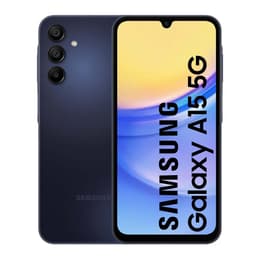
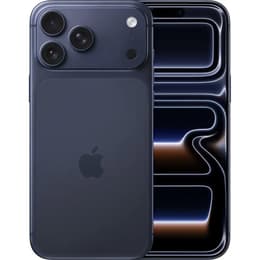
The Samsung Galaxy A15 5G (2023) and the Apple iPhone 17 Pro Max (2025) represent entirely different tiers and ecosystems within the modern smartphone market. While the Galaxy A15 5G is an entry-level Android device built for everyday essential tasks, the iPhone 17 Pro Max serves as a top-tier flagship running iOS, designed for maximum performance and advanced capability. These two devices diverge significantly in release timeline, operating system, and hardware sophistication.
Available Models
Colour
Storage
Scores
Durability
Both devices offer distinct update timelines and structural longevity profiles that affect their long-term viability in daily use.
- Release timeline and software support: The iPhone 17 Pro Max benefits from Apple's extended iOS support cycle, while the Galaxy A15 5G provides multiple years of Android OS upgrades and security patches relative to its late 2023 launch.
- Build and repairability: The iPhone 17 Pro Max uses advanced unibody materials and water resistance ratings, whereas the Galaxy A15 5G relies on a simpler plastic construction with a traditional slot for expandable storage via microSD cards.
- Expected practical lifespan: Users seeking long-term hardware resilience for demanding workloads will find the flagship Apple model well-equipped, while everyday users managing basic tasks will find dependable routine service from the Samsung alternative.
Year of Release
2023
2025
Compatible with latest Update
Yes
Yes
OS
Android
iOS
Foldable
No
No
Performance
Processing capability, memory configuration, and battery behavior differ vastly between these two distinct categories of smartphones.
- Multitasking and system speed: The iPhone 17 Pro Max handles demanding applications, high-end mobile gaming, and intensive background tasks smoothly with generous system memory, while the Galaxy A15 5G manages standard web browsing, messaging, and lighter apps reliably.
- Storage configurations: The iPhone model starts with higher baseline storage capacities, whereas the Galaxy A15 5G offers modest internal storage paired with physical card expansion capabilities.
- Battery behavior: The Galaxy A15 5G features a large 5000 mAh battery that comfortably sustains moderate daily use, while the iPhone 17 Pro Max optimizes power efficiency to deliver dependable all-day endurance under heavy workloads.
Screen quality
Viewing experiences vary considerably across screen technology, refresh rates, and peak brightness levels.
- Display technology: The iPhone 17 Pro Max features an advanced OLED screen with high refresh rate capabilities for smooth scrolling, while the Galaxy A15 5G utilizes a vibrant Super AMOLED display with a 90Hz refresh rate.
- Outdoor visibility: The iPhone 17 Pro Max achieves significantly higher peak brightness levels for clear visibility in direct sunlight, whereas the Galaxy A15 5G provides adequate outdoor viewing performance for standard daily use.
- Screen dimensions: The iPhone offers a larger expansive viewing area well-suited for media consumption, while the Galaxy A15 5G presents a compact 6.5-inch footprint that is comfortable for single-handed handling.
Resolution
1080 x 2340
2868x1320
Screen type
Super AMOLED
Super Retina XDR
Audiovisual
Imaging hardware and audio output capabilities reflect the wide price and tier gap between these two models.
- Camera versatility: The iPhone 17 Pro Max incorporates a multi-lens high-resolution camera array capable of advanced low-light photography and professional-grade video recording, while the Galaxy A15 5G relies on a basic triple-lens setup suited for casual snapshots.
- Audio and media consumption: The iPhone features robust stereo speakers with spatial audio support, whereas the Galaxy A15 5G relies on a single mono loudspeaker alongside the practical inclusion of a traditional 3.5mm headphone jack.
- Microphone performance: Voice calls and video recordings benefit from studio-grade directional microphones on the flagship device, compared to standard call quality on the entry-level Samsung model.
Main camera
50 megapixels
48 megapixels
Front camera
13 megapixels
18 megapixels
Miscellaneous
Connectivity standards, physical dimensions, and everyday practical features separate the two user experiences.
- Connectivity options: Both models support 5G networks, but the iPhone integrates cutting-edge Wi-Fi standards and ultra-wideband technology, while the Galaxy A15 5G covers essential wireless connectivity protocols.
- Port types: The iPhone 17 Pro Max uses a universal USB-C connection for data transfer and charging, mirroring the USB-C port found on the Galaxy A15 5G.
- Physical handling: The Galaxy A15 5G is lighter and constructed primarily of plastic materials, whereas the iPhone 17 Pro Max presents a heavier, more substantial unibody metal frame.
Weight
200 g
233 g
Screen size (in)
6.5
6.9
Network
5G
5G
SIM card
Dual Physical SIM
eSIM
Carrier compatibility
Unlocked
Unlocked
What the community thinks
User discussions across community forums highlight distinct sentiments for each device. Owners of the Galaxy A15 5G frequently praise its dependable battery life, bright AMOLED display, and budget-friendly accessibility, though some note limitations in intensive gaming and low-light photography. Conversely, users of the iPhone 17 Pro Max heavily praise its unmatched processing power, premium screen clarity, and versatile camera system, while occasionally citing its heavy weight and high baseline tier as considerations.
Users prioritizing long-term flagship performance, advanced photography, and ecosystem integration will find the iPhone 17 Pro Max well-suited to their needs. Meanwhile, users prioritizing essential daily communication, expandable storage, and straightforward functionality will lean toward the Galaxy A15 5G. For buyers exploring sustainable choices, a quality-assured refurbished option provides an eco-friendly alternative to purchasing newly manufactured hardware. Ultimately, the right choice depends entirely on individual workflow requirements and software ecosystem preferences.










