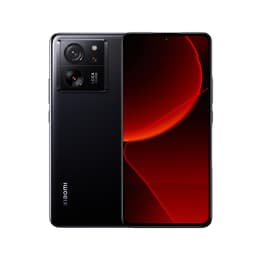


Compare models
Galaxy S25 Edge Vs Xiaomi 13T Pro
- 1-year minimum warranty
- Free delivery on all orders
- Free 30-day returns
Differences at a glance
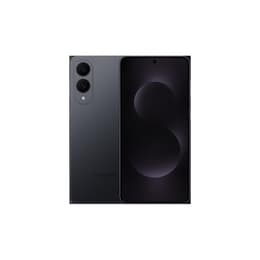
The Samsung Galaxy S25 Edge (2025) and the Xiaomi 13T Pro (2023) represent two distinct approaches to modern smartphone engineering. While the Galaxy S25 Edge focuses on an ultra-slim profile and streamlined capabilities, the Xiaomi 13T Pro emphasizes high-refresh-rate media viewing and rapid battery replenishment. Both devices run on Android, providing familiar navigation, though their underlying interface software and hardware philosophies diverge significantly.
Available Models
Colour
Storage
Scores
Durability
When evaluating the longevity of these two smartphones, differences in release timelines, software update commitments, and physical build materials play an important role in how long each device remains viable for daily use.
- Software support timelines: The Galaxy S25 Edge benefits from a later release window, giving it a longer window of active software maintenance and security updates compared to its counterpart.
- Build durability: The Galaxy S25 Edge utilizes a titanium frame and reinforced glass panels designed to withstand everyday wear, while the Xiaomi 13T Pro features a traditional glass or silicone polymer back paired with robust water and dust resistance ratings.
- Expected practical lifespan: Both models offer ample internal memory to remain functional for multi-year use, though the model with extended software patch schedules will retain security currency further into the future.
Year of Release
2025
2023
Compatible with latest Update
Yes
Yes
OS
Android
Android
Foldable
No
No
Performance
Handling everyday applications, resource-heavy games, and background tasks depends on how each manufacturer integrates its processor, system memory, and thermal management systems.
- App execution and responsiveness: Both devices launch demanding applications swiftly, handle heavy multitasking smoothly, and maintain stable frame rates during extended gaming sessions.
- Storage configurations: Generous base storage capacities on both models ensure ample room for offline media, applications, and large photo libraries without requiring constant file management.
- Energy management: The Galaxy S25 Edge employs a power-efficient architecture tailored for its slender housing, whereas the Xiaomi 13T Pro balances its processor demands with a larger internal energy reserve to sustain normal daily workflows.
Screen quality
Display characteristics significantly shape daily interactions, whether users are reading text outdoors, streaming high-definition video, or navigating the user interface.
- Display technology and clarity: Both smartphones feature vibrant AMOLED panels that deliver deep contrast levels, rich color reproduction, and sharp resolutions suitable for detailed media viewing.
- Outdoor visibility: High peak brightness capabilities on both screens allow content to remain legible even under direct sunlight or bright ambient lighting conditions.
- Motion smoothness: The Xiaomi 13T Pro offers a rapid maximum refresh rate for fluid scrolling through web pages and menus, while the Galaxy S25 Edge provides balanced refresh scaling to conserve battery during static tasks.
Resolution
1440 x 3120
1220 x 2712
Audiovisual
Imaging hardware and software processing define how each phone captures photographs in diverse environments and records moving video.
- Primary photography: The Galaxy S25 Edge utilizes a high-resolution main sensor for capturing fine details, while the Xiaomi 13T Pro incorporates a specialized multi-lens layout co-engineered with traditional optical brands for distinct color profiles.
- Low-light performance: Advanced sensor sizing and software-based stabilization help both devices reduce blur and retain detail in dimly lit indoor or night settings.
- Audio and media output: Stereo speaker setups on both models deliver clear sound for hands-free calls and casual video playback, supplemented by multi-microphone arrays for cleaner voice recording.
Miscellaneous
Practical daily usability is further shaped by physical dimensions, connector types, and supporting hardware features.
- Form factor and handling: The Galaxy S25 Edge prioritizes an exceptionally thin and lightweight chassis for effortless pocketability, whereas the Xiaomi 13T Pro adopts a slightly thicker, heftier build to accommodate larger internal components.
- Charging and connectivity: The Xiaomi 13T Pro stands out with extremely rapid wired charging speeds to minimize time plugged into a wall outlet, while both devices support modern wireless communication standards and dual-SIM configurations.
- Biometric security: Responsive under-display fingerprint scanners and secure facial recognition options provide quick, convenient unlocking methods on both handsets.
Weight
163 g
200 g
Screen size (in)
6.7
6.67
Network
5G
5G
SIM card
Physical SIM + eSIM
Dual Physical SIM
Carrier compatibility
Unlocked
Unlocked
Connector
USB-C
USB-C
What the community thinks
Users prioritizing a featherlight, ultra-slim profile paired with modern software longevity will find the Galaxy S25 Edge well-suited to their daily routines. Conversely, users who value rapid wired power replenishment, high refresh rates, and versatile media consumption features often gravitate toward the Xiaomi 13T Pro. Both choices cater to different preferences without compromising core smartphone capabilities.
For consumers seeking sustainable electronics, choosing a quality-assured refurbished option through Back Market offers an eco-friendly alternative that extends device life cycles. Examining these individual preferences helps ensure the selected smartphone matches practical everyday expectations.