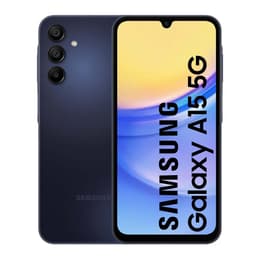
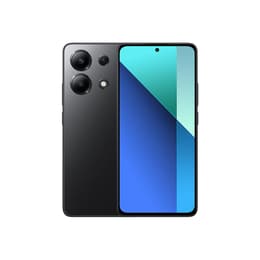


Galaxy A15 5G Vs Xiaomi Redmi Note 13

Galaxy A15 5G
Galaxy A15 5G
Starting at

Refurbished price:124.00

Versus €248.54 new

See options
Xiaomi Redmi Note 13
Starting at

Refurbished price:137.00

Versus €340.00 new

See options

Ratings

The Samsung Galaxy A15 5G and the Xiaomi Redmi Note 13 5G are contemporary smartphones released in late 2023 and early 2024, respectively. Both devices operate on the Android platform, offering a range of features designed for everyday use. While sharing a focus on accessible 5G connectivity and robust battery life, they differentiate themselves through display technology, camera configurations, and overall design philosophy.

Scores

Durability

When considering the long-term usability of a smartphone, factors like software support, physical resilience, and repairability play a significant role. Both the Galaxy A15 5G and the Redmi Note 13 5G are relatively new devices, offering a good starting point for extended use.

  • Software Support: The Samsung Galaxy A15 5G launched with Android 14 and is expected to receive up to four major Android OS upgrades and five years of security updates, providing a longer software lifespan. The Xiaomi Redmi Note 13 5G typically offers two years of OS updates and three years of security updates, starting from its Android 13 base. [5, 8, 35]
  • Physical Durability: The Redmi Note 13 5G features an IP54 rating for splash and dust resistance and Corning Gorilla Glass 5 protection for its display, offering a degree of protection against everyday elements. The Galaxy A15 5G does not specify an IP rating in available information but features a plastic build for its frame and back. [3, 23, 31]
  • Practical Lifespan: Both devices are built to handle daily tasks, and with proper care, users can expect several years of functional performance. The Galaxy A15 5G's longer software support commitment suggests it may remain current with the latest Android features and security patches for a more extended period.

Year of Release

2023

2024

Compatible with latest Update

Yes

Yes

OS

Android

Android

Foldable

No

No

Performance

Performance in modern smartphones is not solely about raw processing power but how smoothly the device handles daily applications, multitasking, and media consumption. Both the Galaxy A15 5G and the Redmi Note 13 5G are equipped to manage typical user demands.

  • Everyday Responsiveness: The Galaxy A15 5G, powered by a MediaTek Dimensity 6100+ processor, provides a responsive experience for general navigation, social media, and light gaming. Users report it handles basic tasks well, though some note potential slowdowns with extensive multitasking or numerous applications. [6, 9, 21] The Redmi Note 13 5G, featuring a MediaTek Dimensity 6080 processor, also offers smooth performance for daily activities and casual gaming, with its 120Hz display contributing to a fluid user interface. [5, 16]
  • Multitasking and Storage: The Galaxy A15 5G is available with up to 8GB of RAM and 256GB of internal storage, expandable via microSD, allowing for a reasonable number of apps to run simultaneously and ample space for files. [1, 3] The Redmi Note 13 5G offers configurations up to 12GB of RAM and 512GB of storage, also expandable, which can provide more headroom for demanding users who frequently switch between many applications or store large media libraries. [14, 19]
  • Battery Endurance: Both smartphones are equipped with a 5000mAh battery, designed to provide a full day of use for most users. The Galaxy A15 5G supports 25W fast charging, while the Redmi Note 13 5G offers slightly faster 33W charging, potentially reducing charging times. [1, 7, 11]

Memory (GB)

4 GB

8 GB

Screen quality

The display is a primary interface for any smartphone, and both the Galaxy A15 5G and the Redmi Note 13 5G offer vibrant viewing experiences, though with some key distinctions in their specifications.

  • Display Technology and Clarity: The Samsung Galaxy A15 5G features a 6.5-inch Super AMOLED display with a Full HD+ resolution (2340x1080 pixels), known for deep blacks and vivid colors. [1, 25] The Xiaomi Redmi Note 13 5G sports a slightly larger 6.67-inch AMOLED display, also with Full HD+ resolution (2400x1080 pixels), providing sharp and clear visuals. [7, 14]
  • Brightness and Smoothness: The Galaxy A15 5G offers a 90Hz refresh rate for smoother scrolling and animations, with a peak brightness of 800 nits, ensuring good visibility in various lighting conditions. [1, 25] The Redmi Note 13 5G steps up with a 120Hz refresh rate, delivering an even more fluid visual experience, and boasts a higher peak brightness of up to 1800 nits, which can be beneficial for outdoor use. [7, 31]
  • Viewing Experience: Both displays provide an immersive viewing experience for media consumption and browsing. The Redmi Note 13 5G's larger screen and higher refresh rate might appeal to users who prioritize a more expansive and fluid visual interaction, while the Galaxy A15 5G's Super AMOLED panel still delivers excellent color reproduction.

Resolution

1080 x 2340

1080 x 2400

Screen type

Super AMOLED

AMOLED

Audiovisual

Camera capabilities are a significant consideration for many users, and both devices offer versatile camera systems designed to capture a variety of moments, each with its own strengths.

  • Rear Camera Systems: The Samsung Galaxy A15 5G features a triple camera setup on the rear, including a 50MP main sensor, a 5MP ultra-wide lens, and a 2MP macro lens. This configuration allows for capturing detailed standard shots, broader landscapes, and close-up subjects. [1, 25] The Xiaomi Redmi Note 13 5G also comes with a triple rear camera system, highlighted by a 108MP main sensor, an 8MP ultra-wide lens, and a 2MP macro lens. The higher megapixel count on the main sensor can allow for more detailed images, especially when cropping. [7, 31]
  • Photography Performance: For everyday photography, both phones are capable of producing good results in well-lit conditions. User feedback for the Galaxy A15 5G suggests its camera performs adequately for basic needs. [6] The Redmi Note 13 5G's larger main sensor may offer an advantage in capturing finer details and potentially better performance in challenging lighting, though user experiences can vary. [15]
  • Front Camera and Video: For selfies and video calls, the Galaxy A15 5G is equipped with a 13MP front camera. [1] The Redmi Note 13 5G features a 16MP front camera, which may offer slightly more detail in self-portraits. [11] Both devices typically record video at Full HD resolution at 30 frames per second.

Main camera

50 megapixels

108 megapixels

Front camera

13 megapixels

16 megapixels

Miscellaneous

Beyond the core specifications, several practical features contribute to the overall user experience and convenience of a smartphone. Both the Galaxy A15 5G and the Redmi Note 13 5G include a range of these elements.

  • Connectivity and Ports: Both devices support 5G connectivity for faster mobile data speeds. They also include modern Wi-Fi standards, Bluetooth for wireless accessories, and a USB Type-C port for charging and data transfer. Notably, both phones retain a 3.5mm headphone jack, which is a convenient feature for users with wired audio accessories. The Redmi Note 13 5G also includes an IR Blaster, allowing it to function as a universal remote control for compatible home appliances. [7, 16, 32]
  • Biometric Security: The Galaxy A15 5G incorporates a side-mounted fingerprint sensor for secure and quick unlocking. [1] The Redmi Note 13 5G features an in-display fingerprint sensor, offering a different aesthetic and interaction method. [14, 28] Both also support face recognition for an alternative unlocking method.
  • Design and Handling: The Galaxy A15 5G measures 160.1 x 76.8 x 8.4mm and weighs 200g, featuring a plastic build. [1, 3] The Redmi Note 13 5G is slightly taller and narrower at 161.11 x 74.95 x 7.6mm and lighter at 173.5g, also with a plastic construction. [11] The Redmi Note 13 5G's slimmer profile and lighter weight might make it feel more comfortable for extended one-handed use.

Weight

200 g

175 g

Screen size (in)

6.5

6.67

Network

5G

5G

SIM card

Dual Physical SIM

Dual Physical SIM

Carrier compatibility

Unlocked

Unlocked

The Samsung Galaxy A15 5G and the Xiaomi Redmi Note 13 5G both present compelling options for users seeking a capable Android smartphone without venturing into premium segments. User feedback for the Galaxy A15 5G often highlights its reliable battery life and the quality of its Super AMOLED display. Some users, particularly those with the 4GB RAM variant, have noted that performance can be less fluid with heavy multitasking or numerous applications. The camera is generally considered adequate for casual photography in good lighting conditions. [6, 9, 17, 21, 24]

The Redmi Note 13 5G receives praise for its vibrant 120Hz AMOLED display and its generally smooth performance for daily tasks and casual gaming. Its 108MP main camera is also a frequent point of positive discussion, offering detailed images. Some users have reported occasional issues with the in-display fingerprint sensor or found the processor, while capable, to be less powerful than some alternatives in its class. [10, 15, 16, 18]

Users prioritizing a longer software support timeline and a consistent, familiar Android experience with a good display may find the Samsung Galaxy A15 5G well-suited to their needs. Its robust battery and established brand ecosystem are also strong points. Conversely, users who value a higher refresh rate display, a potentially more detailed main camera, faster charging, and a slightly lighter, slimmer design might lean towards the Xiaomi Redmi Note 13 5G. The inclusion of an IR Blaster on the Redmi Note 13 5G could also be a deciding factor for some. Both devices are available as quality-assured refurbished options, providing an eco-friendly alternative for consumers.


See all articles

Our recent comparisons