
Compare models

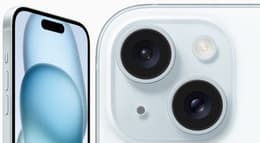
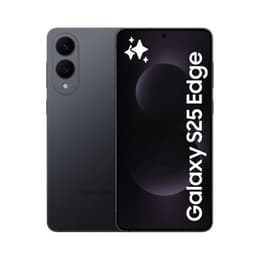
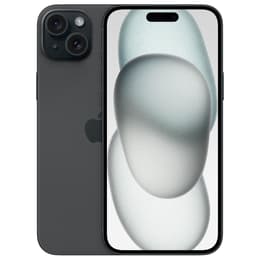
Galaxy S25 Edge Vs iPhone 15 Plus

  • 1-year minimum warranty
  • Free delivery on all orders
  • Free 30-day returns
Galaxy S25 Edge
Starting at

Refurbished price:496.00

Versus €1,386.13 new

See options
iPhone 15 Plus
Starting at

Refurbished price:445.00

Versus €979.00 new

See options

Differences at a glance

The Samsung Galaxy S25 Edge (2025) and the Apple iPhone 15 Plus (2023) are large-screen smartphones designed to deliver expansive viewing and reliable everyday performance. While both devices feature immersive displays and modern app capabilities, they operate on different software ecosystems and offer distinct hardware approaches. The Samsung device runs on Android with custom interface options, whereas the Apple model operates on iOS, creating two unique user experiences.

Available Models

Colour

Storage (GB)

Scores

Durability

When evaluating hardware longevity and software support, both smartphones provide robust structures built for multi-year usage cycles, though their timelines and software support windows differ.

  • Software Support Duration: The Galaxy S25 Edge benefits from an extended multi-year update commitment typical of recent Android flagships, while the iPhone 15 Plus follows Apple's established pattern of long-term software updates extending several years past its release date.
  • Build and Materials: The Samsung model utilizes a titanium frame paired with scratch-resistant glass, whereas the Apple alternative employs an aluminum frame combined with color-infused back glass and front protective shielding.
  • Expected Lifespan: Both devices maintain strong practical lifespans, allowing users to rely on them for daily communication, productivity, and media consumption over many years without noticeable degradation in routine tasks.

Year of Release

2025

2023

OS

Android

iOS

Foldable

No

No

Performance

Underneath the exterior, these smartphones handle demanding applications, multitasking workflows, and media consumption through powerful internal hardware configurations and memory allocation.

  • App Loading and Multitasking: Both models run complex applications smoothly, switch between multiple open windows without hesitation, and maintain responsive system behavior during intensive use thanks to advanced current-generation processing architecture.
  • Storage and Memory: The Galaxy S25 Edge starts with higher base memory configurations for smooth background task management, while the iPhone 15 Plus offers streamlined storage tiers optimized tightly within its operating system.
  • Battery Behavior: Battery endurance easily spans a full day of mixed usage on both handsets, though screen brightness settings and heavy gaming sessions will influence how frequently recharging is required.

Screen quality

Visual output is a primary focal point for both devices, as each incorporates large panels tailored for media viewing, reading, and outdoor visibility.

  • Display Technology: Both smartphones feature vibrant OLED panels that deliver deep black levels, high contrast ratios, and sharp text clarity for daily tasks and video streaming.
  • Brightness and Outdoors: High peak brightness levels ensure that content remains legible even under direct sunlight, allowing comfortable outdoor navigation and media usage.
  • Viewing Experience: The expansive screen estate on both models provides an immersive canvas for viewing photos, editing documents, or watching films, supported by smooth interface animations.

Resolution

1440x3120

1290 x 2796

Audiovisual

Photography and video capabilities on these devices cater to everyday creators, travelers, and users capturing spontaneous family moments.

  • Camera Systems: The Galaxy S25 Edge employs a high-resolution primary sensor paired with an ultra-wide lens, while the iPhone 15 Plus utilizes a dual-camera configuration featuring sensor-shift stabilization and high-detail processing.
  • Low-Light and Video: Both phones handle challenging lighting conditions effectively, reducing visual noise in dark environments and recording stable, high-definition video clips with clear audio capture from built-in multi-microphone arrays.
  • Media Consumption: Stereo speakers on both devices deliver balanced sound output for hands-free calls, podcasts, and casual video playback without requiring external speakers.

Miscellaneous

Practical everyday features, physical handling characteristics, and connectivity standards define the physical interaction with each smartphone.

  • Connectivity and Ports: Both models support 5G cellular networks, modern Wi-Fi standards, and Bluetooth, with the iPhone using a universal USB-C port matching standard charging cables.
  • Physical Dimensions: The Galaxy S25 Edge focuses on an exceptionally thin profile and lightweight titanium build, whereas the iPhone 15 Plus features a slightly thicker, rounded aluminum housing.
  • Security Sensors: Biometric authentication relies on secure facial recognition on the Apple device, while the Samsung alternative offers an under-display fingerprint sensor alongside facial recognition options.

Weight

163 g

201 g

Screen size (in)

6.7

6.7

Network

5G

5G

SIM card

Dual Physical SIM + eSIM

Physical SIM + eSIM

Carrier compatibility

Unlocked

Unlocked

Connector

USB-C

USB-C

What the community thinks

User discussions across online communities frequently highlight the Galaxy S25 Edge for its exceptionally slim physical profile, lightweight titanium construction, and sharp, high-resolution display. At the same time, community members often praise the iPhone 15 Plus for its consistent software fluidity, reliable battery performance during media playback, and straightforward operating system interface. Common criticisms for both models occasionally center on the absence of dedicated optical zoom lenses, as both rely primarily on high-resolution main sensors for zooming tasks.

Users prioritizing deep customization options, an under-display fingerprint reader, and a remarkably thin chassis will find the Galaxy S25 Edge well-suited to their preferences. Conversely, users who prefer the Apple software ecosystem, seamless multi-device integration, and a straightforward user interface may lean toward the iPhone 15 Plus. For buyers exploring sustainable choices, a quality-assured refurbished option provides an eco-friendly alternative that delivers identical daily functionality while reducing electronic waste. Ultimately, the choice depends on personal preference regarding software platforms and physical handling characteristics rather than a definitive performance gap.