

Galaxy A54 Vs iPhone 13

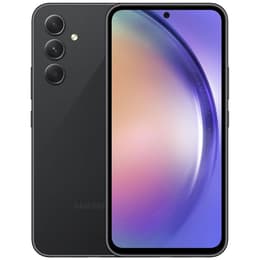
Galaxy A54
Galaxy A54
Starting at

Refurbished price:178.00

Versus €527.33 new

See options
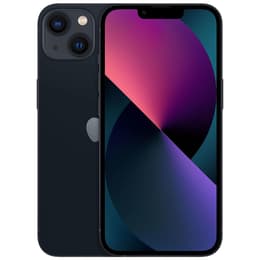
iPhone 13
iPhone 13
Starting at

Refurbished price:232.00

Versus €769.00 new

See options

Ratings

The Samsung Galaxy A54, released in March 2023, and the Apple iPhone 13, launched in September 2021, are two distinct smartphones offering different user experiences. While the Galaxy A54 operates on Android, the iPhone 13 runs on Apple's iOS, leading to fundamental differences in their ecosystems and software interactions. These devices cater to varying preferences, with key distinctions in their display technology, camera capabilities, and overall performance profiles.

Scores

Durability

The longevity of a smartphone is influenced by its physical resilience and the duration of software support it receives.

  • Software Support: The Samsung Galaxy A54, released in March 2023, is committed to receiving four major Android OS updates and five years of security patches from its launch. The iPhone 13, launched in September 2021, typically benefits from Apple's extended support, receiving major iOS updates for approximately five to seven years and continued security patches thereafter. This means both devices are expected to remain functional and secure for a considerable period.
  • Physical Durability: The Galaxy A54 features Gorilla Glass 5 on both its front and back, offering a degree of protection against drops and scratches. The iPhone 13 incorporates Apple's Ceramic Shield on its front display, designed for enhanced drop performance, and has an IP68 rating for water and dust resistance.
  • Repairability: The Galaxy A54 has received repairability scores ranging from 6.25/10 to 8.4/10, indicating it is a fairly repairable device with accessible internal components. The iPhone 13 initially scored 5/10 or 5.5/10 on repairability, which improved to 6/10 with an iOS 15.2 update that addressed issues with screen replacements affecting Face ID functionality.

Year of Release

2023

2021

Compatible with latest Update

Yes

Yes

OS

Android

iOS

Foldable

No

No

Performance

The performance of these devices is shaped by their internal hardware and how efficiently their respective operating systems utilize those resources.

  • Processing Power: The iPhone 13 delivers a fluid experience, handling intensive tasks like video editing and high-end gaming with consistent speed and responsiveness. The Galaxy A54 is well-suited for everyday activities such as social media, web browsing, and streaming, though it may exhibit slight pauses during very heavy multitasking scenarios.
  • Memory and Storage: The Galaxy A54 offers configurations with 6GB or 8GB of RAM and 128GB or 256GB of internal storage, with the added flexibility of expandable storage via a microSD card. The iPhone 13 comes with 4GB of RAM and storage options of 128GB, 256GB, or 512GB, but does not support expandable storage.
  • Battery Endurance: The Galaxy A54 is equipped with a larger 5000mAh battery, which generally translates to longer usage times on a single charge, often lasting a full day or more for heavy users. The iPhone 13 features a 3227mAh battery, providing sufficient power for a full day of typical use, but may require more frequent charging during extended gaming or camera-intensive sessions.

Memory (GB)

8 GB

4 GB

Screen quality

The visual experience on both smartphones is a key differentiator, with each device employing distinct display technologies and features.

  • Display Technology and Size: The Samsung Galaxy A54 features a 6.4-inch Super AMOLED display with a resolution of 1080 x 2340 pixels. This display offers vibrant colors and deep blacks. The iPhone 13 comes with a 6.1-inch Super Retina XDR OLED display, providing excellent color accuracy and brightness with a resolution of 1170 x 2532 pixels.
  • Refresh Rate: The Galaxy A54 boasts a 120Hz refresh rate, which contributes to smoother scrolling and more fluid animations, enhancing the overall visual fluidity during navigation and content consumption. In contrast, the iPhone 13 utilizes a standard 60Hz refresh rate, which provides a consistent and clear viewing experience, though it lacks the enhanced smoothness seen on higher refresh rate displays.
  • Outdoor Visibility: Both displays offer good brightness levels, ensuring content remains visible in various lighting conditions. The iPhone 13's Super Retina XDR display is known for its high peak brightness, which can be beneficial for outdoor use.

Resolution

1080 x 2340

1170 x 2532

Screen type

Super AMOLED

Super Retina XDR OLED

Audiovisual

Both devices offer capable camera systems, but they approach photography and videography with different strengths and features.

  • Rear Camera System: The Samsung Galaxy A54 is equipped with a versatile triple-camera setup, including a 50MP main sensor with optical image stabilization (OIS), a 12MP ultrawide lens, and a 5MP macro lens. The iPhone 13 features a dual 12MP camera system, comprising a wide and an ultrawide lens.
  • Photography Performance: The iPhone 13 generally delivers sharper and more vibrant photos, particularly in challenging lighting conditions, due to its advanced image processing capabilities. The Galaxy A54 provides good color accuracy and detailed shots, but it may struggle slightly more in low-light environments compared to the iPhone 13. The Galaxy A54 also offers a dedicated macro lens for close-up photography.
  • Video Recording and Audio: The iPhone 13 excels in video recording, producing smoother, more stable videos with better color grading and supporting advanced features like Dolby Vision HDR. The Galaxy A54 supports 4K video recording, but it lacks some of the advanced video features found on the iPhone. For audio, users report the Galaxy A54's speakers are loud and clear.

Main camera

50 megapixels

12 megapixels

Front camera

32 megapixels

12 megapixels

Miscellaneous

Beyond core performance, several practical elements contribute to the overall user experience and daily usability of these smartphones.

  • Connectivity and Ports: Both devices support 5G connectivity for fast mobile data. The Galaxy A54 features a USB-C port for charging and data transfer, while the iPhone 13 uses Apple's proprietary Lightning port. The Galaxy A54 supports Wi-Fi 5 and Bluetooth 5.3, whereas the iPhone 13 supports Wi-Fi 6 and Bluetooth 5.0.
  • Biometric Security: For secure access, the Galaxy A54 incorporates an optical fingerprint sensor integrated under the display. The iPhone 13 relies on Face ID, Apple's facial recognition technology, for unlocking the device and authenticating payments.
  • Design and Handling: The iPhone 13 is more compact and lighter, weighing 173g with dimensions of 146.7 x 71.5 x 7.65 mm, which can be preferred by users who value portability and one-handed use. The Galaxy A54 is slightly larger and heavier at 202g and measures 158.2 x 76.7 x 8.2 mm, offering a more substantial feel that some users find provides a more secure grip.

Weight

202 g

173 g

Screen size (in)

6.4

6.1

Network

5G

5G

SIM card

Physical SIM + eSIM

Physical SIM + eSIM

Carrier compatibility

Unlocked

Unlocked

User feedback on both the Samsung Galaxy A54 and the iPhone 13 highlights distinct strengths and areas of consideration. The Galaxy A54 is frequently praised for its vibrant and smooth 120Hz display, robust battery life, and versatile camera system, making it a strong contender for everyday use and media consumption. Some users have noted that the device may experience a decrease in speed or battery efficiency over time, along with occasional software bugs.

Conversely, the iPhone 13 receives consistent acclaim for its fluid performance, exceptional video recording capabilities, and the seamless integration within the Apple ecosystem. A common point of discussion among users is its 60Hz display, which some find less fluid compared to devices with higher refresh rates.

Users who prioritize a large, smooth display, expandable storage options, and extended battery life for general daily tasks and content consumption may find the Galaxy A54 well-suited to their needs. On the other hand, individuals who value a more compact design, superior video quality, consistent performance for demanding applications, and a long-term commitment to software updates within the iOS environment may lean towards the iPhone 13. Both devices offer a reliable smartphone experience, and considering a quality-assured refurbished option for either model can be an eco-friendly alternative for making an informed choice.


See all articles

Our recent comparisons







