


Compare models

Galaxy S25 Edge Vs Google Pixel 8

  • 1-year minimum warranty
  • Free delivery on all orders
  • Free 30-day returns
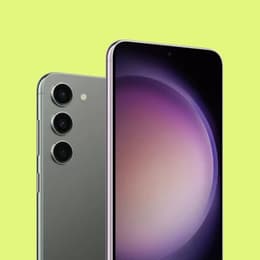
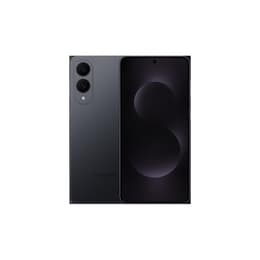
Galaxy S25 Edge
Starting at

Refurbished price:€461.00

Versus €1,275.21 new

See options
Google Pixel 8
Starting at

Refurbished price:€275.00

Versus €999.00 new

See options

Differences at a glance

The Samsung Galaxy S25 Edge (2025) and the Google Pixel 8 (2023) are distinct smartphones that cater to different user preferences through form factor, ecosystem approach, and interface design. While both run on the Android operating system, they approach daily computing with unique physical dimensions and software personalities.

Choosing between these devices involves looking at how their physical traits and operational styles align with individual daily requirements.

Available Models

Colour

Storage

Scores

Durability

When examining longevity and durability, both devices offer robust software support lifelines alongside different physical construction materials designed to withstand daily wear and tear.

  • Software Support Timeline: Both models provide multi-year operating system and security update commitments, helping the devices remain secure and current over extended periods of ownership.
  • Build Materials: The Galaxy S25 Edge utilizes a titanium frame paired with reinforced glass protection, whereas the Google Pixel 8 features an aluminum frame with durable glass panels front and back.
  • Repairability and Lifespan: Both smartphones maintain standard industry water and dust resistance ratings, ensuring reliable physical survival against accidental spills and environmental exposure during regular use.

Year of Release

2025

2023

Compatible with latest Update

Yes

Yes

OS

Android

Android

Foldable

No

No

Performance

Performance capabilities vary based on internal hardware configurations and memory capacity, directly influencing how each device handles everyday multitasking and intensive applications.

  • Multitasking and Responsiveness: The Galaxy S25 Edge manages demanding applications and rapid task switching smoothly with its generous memory allocation, while the Google Pixel 8 provides steady day-to-day operation for routine messaging, browsing, and media streaming.
  • Storage Configurations: Users can select from multiple internal storage tiers depending on local media and file retention needs, noting that neither device supports expandable storage via memory cards.
  • Battery Behavior: Battery endurance varies under heavy loads, with power users potentially requiring a midday top-up depending on screen brightness settings and cellular data usage.

Screen quality

Display characteristics differ notably in physical dimensions, maximum brightness thresholds, and panel technology, affecting outdoor visibility and media consumption experiences.

  • Display Technology: The Galaxy S25 Edge features a vibrant AMOLED panel with deep contrast levels, while the Google Pixel 8 utilizes a bright OLED screen suited for clear text legibility under direct sunlight.
  • Refresh Rate and Smoothness: Both devices support high refresh rates up to 120Hz, delivering fluid scrolling through web pages, social feeds, and user interface menus.
  • Size and Viewing Area: The Galaxy S25 Edge provides a more expansive viewing canvas for productivity and movies, whereas the Google Pixel 8 offers a compact footprint that remains comfortable for single-handed navigation.

Resolution

1440 x 3120

1080 x 2400

Audiovisual

Camera systems on both smartphones focus on delivering clear, reliable everyday imagery and steady video recording capabilities without overcomplicating the capture process.

  • Photography Performance: Both devices capture crisp daytime photos with balanced color reproduction, though low-light performance relies on automated processing routines to minimize visual noise in dark environments.
  • Video and Audio: Video recording remains stable and clear across various resolution settings, supported by effective microphones that isolate speech adequately during phone calls and voice memos.
  • Media Playback: Built-in stereo speakers deliver clear audio output for casual podcast listening and video streaming, though external headphones or speakers enhance bass response for music enthusiasts.

Miscellaneous

Practical daily utility is shaped by connectivity standards, physical weight distribution, and biometric authentication methods integrated into each chassis design.

  • Connectivity and Ports: Both models include modern 5G cellular capabilities, Wi-Fi networking standards, and reversible USB Type-C ports for data transfer and wired charging.
  • Biometrics and Security: Secure authentication is handled via integrated screen fingerprint sensors and facial recognition features for quick device unlocking.
  • Handling and Portability: The Galaxy S25 Edge emphasizes an exceptionally slim and lightweight profile, whereas the Google Pixel 8 presents a slightly thicker yet rounded body that rests comfortably in the palm.

Weight

163 g

187 g

Screen size (in)

6.7

6,2

Network

5G

5G

SIM card

Physical SIM + eSIM

Physical SIM + eSIM

Carrier compatibility

Unlocked

Unlocked

Connector

USB-C

USB-C

What the community thinks

User feedback from online communities highlights distinct preferences for each device. Owners of the Galaxy S25 Edge frequently praise its ultra-slim profile, expansive high-resolution screen, and swift overall responsiveness. Conversely, Pixel 8 users often emphasize appreciation for the clean software layout, manageable physical size, and reliable photo processing. Common criticisms for both models occasionally involve battery depletion during sustained high-intensity tasks and occasional warmth during extended gaming sessions.

Users prioritizing a larger viewing canvas, rapid multitasking capability, and a lightweight frame will find the Galaxy S25 Edge well-suited to their workflow. Meanwhile, users preferring a compact physical footprint and a streamlined interface may lean toward the Google Pixel 8. Exploring a quality-assured refurbished option provides a sustainable choice for acquiring either model while reducing electronic waste. Ultimately, the right choice depends entirely on individual daily habits and ergonomic preferences.