


Compare models
Galaxy S25 Edge Vs Google Pixel 7
- 1-year minimum warranty
- Free delivery on all orders
- Free 30-day returns
Differences at a glance
The Samsung Galaxy S25 Edge (2025) and the Google Pixel 7 (2022) are distinct Android smartphones representing different eras of mobile engineering and design philosophy. While the Galaxy S25 Edge prioritizes an ultra-slim profile with advanced processing capabilities, the Google Pixel 7 focuses on a balanced, everyday user experience driven by intuitive software features. Both devices operate on the Android platform, though they launch with different software versions and feature sets tailored to distinct generational standards.
Available Models
Colour
Storage
Scores
Durability
When evaluating the long-term viability of these two devices, differences in their release timelines and manufacturer support windows become key considerations for daily use.
- Release Timeline and Software Support: The Galaxy S25 Edge launched in 2025 with an extensive multi-year software update commitment, whereas the Google Pixel 7 debuted in 2022 with a shorter foundational update timeline, though its support window has since been expanded by Google.
- Expected Practical Lifespan: Both smartphones offer durable build architectures with high-grade front glass protection, ensuring they remain structurally reliable through standard daily wear and tear over several years.
- Repairability: Professional repair infrastructure is widely established for both model lines, making component replacements straightforward through quality-assured refurbished options that extend device life sustainably.
Year of Release
2025
2022
Compatible with latest Update
Yes
Yes
OS
Android
Android
Foldable
No
No
Performance
Day-to-day operation reveals how each device handles multitasking, system navigation, and power management during standard workflows.
- Processor Capabilities and Multitasking: The Galaxy S25 Edge features a current-generation processor paired with generous RAM configurations that handle heavy applications and demanding background processes smoothly, while the Pixel 7 relies on a custom-designed processor optimized for fluid day-to-day tasks and machine learning features.
- Battery Behavior: The Galaxy S25 Edge manages power efficiently despite its exceptionally slim chassis, whereas the Google Pixel 7 utilizes a larger battery capacity to comfortably sustain a full day of mixed browsing, messaging, and media consumption.
- Storage Configurations: Both devices are available in standard internal storage tiers with no expandable card slot, requiring users to select their preferred capacity at the time of acquisition.
Screen quality
Visual output and display responsiveness differ notably between the two models, influencing media consumption and outdoor readability.
- Display Technology: The Galaxy S25 Edge incorporates a vibrant AMOLED panel with a high resolution and an adaptive refresh rate scaling up to 120Hz for fluid scrolling, while the Pixel 7 features a sharp OLED display capped at a smooth 90Hz refresh rate.
- Outdoor Brightness: The Galaxy S25 Edge reaches a higher peak brightness level for clear visibility under direct sunlight, whereas the Pixel 7 maintains adequate legibility in bright outdoor environments.
- Screen Dimensions: The Galaxy S25 Edge offers a larger 6.7-inch viewing area suited for immersive media viewing, compared to the more compact 6.3-inch screen on the Pixel 7 that facilitates easier one-handed navigation.
Resolution
1440 x 3120
1080 x 2400
Audiovisual
Photography and media capture capabilities reflect different design approaches to optics and onboard image processing.
- Camera System Setup: The Galaxy S25 Edge utilizes a high-resolution main sensor paired with an ultra-wide lens to capture detailed everyday imagery, whereas the Pixel 7 relies on a dual-sensor configuration backed by advanced computational photography algorithms for balanced, natural color reproduction.
- Video Recording: Both devices support high-definition video capture with stabilization features to minimize shake during hand-held recording.
- Audio and Media Output: Stereo speaker setups on both models deliver clear sound for hands-free calls and casual video playback, though external speakers are best supplemented with headphones for extended listening sessions.
Miscellaneous
Physical handling attributes and connectivity options dictate how comfortably each phone integrates into daily routines and travel.
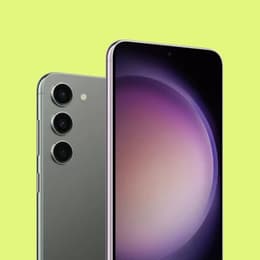
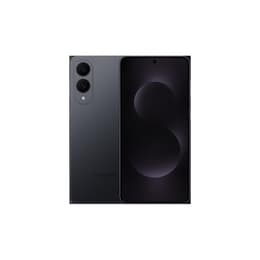
- Build and Ergonomics: The Galaxy S25 Edge stands out for its remarkably thin profile and lightweight titanium-supported frame, whereas the Pixel 7 features a slightly thicker, contoured aluminum housing with a distinct horizontal camera bar.
- Connectivity and Ports: Both models support modern 5G cellular networks, Wi-Fi standards, and Bluetooth connectivity, utilizing reversible USB-C ports for charging and data transfer.
- Biometric Security: Secure authentication is handled via under-display fingerprint sensors and facial recognition capabilities on both devices.
Weight
163 g
197 g
Screen size (in)
6.7
6.3
Network
5G
5G
SIM card
Physical SIM + eSIM
Physical SIM + eSIM
Carrier compatibility
Unlocked
Unlocked
Connector
USB-C
USB-C + Jack 3.5mm
What the community thinks
User discussions across community forums highlight distinct preferences for each device based on everyday habits. Owners of the Galaxy S25 Edge frequently praise its remarkably thin profile, bright display, and swift execution of demanding tasks. Conversely, Pixel 7 users often commend its clean software interface, reliable battery endurance, and consistent photo output. Common criticisms for the Galaxy S25 Edge occasionally center on its lack of a dedicated optical zoom lens, while Pixel 7 users sometimes note moderate charging speeds.
Users prioritizing an expansive, high-refresh-rate display and a featherlight physical build will find the Galaxy S25 Edge well-suited to their preferences, while those leaning toward a compact footprint and streamlined everyday software will appreciate the Google Pixel 7. For consumers seeking an eco-friendly alternative, choosing a quality-assured refurbished option provides a sustainable way to access either of these capable devices without compromising on reliability.