

Compare models

Galaxy S24 Vs Xiaomi Redmi Note 13 4G

  • 1-year minimum warranty
  • Free delivery on all orders
  • Free 30-day returns
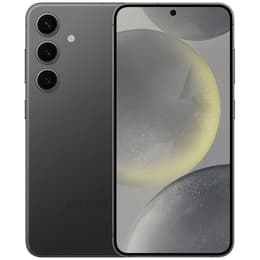
Galaxy S24
Starting at

Refurbished price:€342.00

Versus €956.40 new

See options
Xiaomi Redmi Note 13 4G
Starting at

Refurbished price:€174.00

Versus €340.00 new

See options

Differences at a glance

The Samsung Galaxy S24 (2024) and the Xiaomi Redmi Note 13 4G (2024) are smartphones that cater to very different segments of the mobile market, balancing flagship capabilities with everyday practicality. While both devices run on the Android operating system, they differ significantly in processing power, build philosophy, and intended user experience.

Available Models

Colour

Storage

Scores

Durability

When evaluating the long-term viability of both devices, differences in software support timelines and hardware robustness shape their expected practical lifespans.

  • Software Support: The Samsung Galaxy S24 benefits from an extended software update commitment spanning several years, whereas the Xiaomi Redmi Note 13 4G follows a more standard update schedule typical of mid-range devices.
  • Build Durability: The Galaxy S24 utilizes robust aluminum and hardened glass materials alongside high-level water and dust resistance, while the Redmi Note 13 4G employs a plastic-backed construction with basic splash protection.
  • Repairability: Both models feature standard internal layouts, though widespread component availability makes the quality-assured refurbished option a sustainable choice for eco-conscious buyers looking to extend device longevity.

Year of Release

2024

2024

Compatible with latest Update

Yes

Yes

OS

Android

Android

Foldable

No

No

Performance

Performance capabilities define how each device manages daily tasks, multitasking demands, and system responsiveness during intensive usage.

  • Processing Power: The Galaxy S24 handles demanding applications, complex multitasking, and high-end gaming smoothly thanks to its flagship-tier processor, whereas the Redmi Note 13 4G is better suited for standard daily tasks like web browsing, social media, and casual media consumption.
  • Memory and Storage: Both devices offer varied configurations for internal storage and RAM, with the Galaxy S24 prioritizing faster data read and write speeds to support heavy background operations.
  • Battery Behavior: The Redmi Note 13 4G features a larger capacity cell that easily powers through a full day of standard use, while the Galaxy S24 relies on efficient power management to compensate for a more compact battery.

Screen quality

Visual output and screen responsiveness vary between the two models, impacting media consumption, outdoor legibility, and everyday navigation.

  • Display Technology: Both devices feature vibrant AMOLED panels with deep blacks and vivid color reproduction, though the Galaxy S24 incorporates higher-tier panel technology for enhanced contrast.
  • Brightness Levels: The Galaxy S24 achieves a higher peak brightness level, ensuring clear visibility under direct sunlight, while the Redmi Note 13 4G delivers adequate outdoor readability for typical daily use.
  • Refresh Rate: Both models support a smooth 120Hz refresh rate, ensuring fluid scrolling through menus, web pages, and supported applications.

Resolution

1080 x 2340

1080 x 2400

Screen type

Dynamic LTPO AMOLED 2X

AMOLED

Audiovisual

Photography and audio-visual output differ notably, reflecting the distinct market positioning of each smartphone.

  • Camera Systems: The Galaxy S24 features a versatile triple-lens array including a dedicated telephoto zoom lens, whereas the Redmi Note 13 4G centers its photography experience around a high-resolution main sensor paired with supporting utility lenses.
  • Low-Light and Video: The Galaxy S24 captures sharper detail and balanced exposures in challenging lighting conditions and supports advanced video recording modes, while the Redmi Note 13 4G handles casual daylight photography reliably.
  • Audio Output: Both devices include stereo speaker configurations suitable for hands-free calls and casual video watching, alongside clear microphone performance.

Main camera

50 megapixels

108 megapixels

Front camera

12 megapixels

16 megapixels

Miscellaneous

Practical daily features, connectivity standards, and physical handling characteristics influence how each phone fits into routine use.

  • Connectivity: The Galaxy S24 includes modern 5G connectivity and advanced Wi-Fi standards, whereas the Redmi Note 13 4G is restricted to 4G networks depending on the chosen model variant.
  • Physical Design: The Galaxy S24 is more compact and lighter, making it comfortable for one-handed operation, while the Redmi Note 13 4G features a larger physical footprint to accommodate its expansive screen.
  • Security Sensors: Both models offer biometric authentication through responsive under-display fingerprint sensors and facial recognition capabilities.

Weight

167 g

189 g

Screen size (in)

6.2

6.67

Network

5G

4G

SIM card

Dual Physical SIM + eSIM

Dual Physical SIM

Carrier compatibility

Unlocked

Unlocked

Connector

USB-C

USB-C

What the community thinks

User feedback highlights distinct preferences for each device across online communities. Owners of the Samsung Galaxy S24 frequently praise its compact handling, powerful processing capabilities, and comprehensive camera versatility. Conversely, users of the Xiaomi Redmi Note 13 4G often commend its reliable daily battery endurance, smooth display responsiveness, and practical overall value. Common criticisms for the Galaxy S24 typically focus on battery capacity limitations under heavy use, while Redmi Note 13 4G users occasionally note constraints during intensive gaming or demanding multitasking scenarios.

Users who prioritize high-end performance, advanced photography options, and long-term software support may find the Samsung Galaxy S24 well-suited to their needs. Meanwhile, users prioritizing daily battery reliability, a large media display, and straightforward everyday functionality may lean toward the Xiaomi Redmi Note 13 4G. Exploring quality-assured refurbished options provides an eco-friendly alternative for acquiring either device while minimizing environmental impact.