
Galaxy S23+ Vs Xiaomi Redmi Note 14 Pro

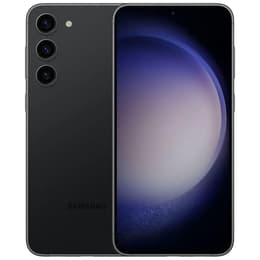
Galaxy S23+
Galaxy S23+
Starting at

Refurbished price:297.00

Versus €1,019.00 new

See options
Xiaomi Redmi Note 14 Pro
Starting at

Refurbished price:260.77

Versus €349.99 new

See options

Ratings

The Samsung Galaxy S23 Plus, released in February 2023, and the Xiaomi Redmi Note 14 Pro, a more recent entrant from late 2024 or early 2025, represent distinct approaches to the modern smartphone experience. While both devices operate on the Android platform, they differentiate themselves through their core hardware, camera systems, and overall design philosophies. The Galaxy S23 Plus emphasizes a refined flagship experience, whereas the Redmi Note 14 Pro aims to deliver advanced features within a more accessible package.

Scores

Durability

When considering the longevity of these devices, several factors come into play, including their release timelines, software support, and physical resilience.

  • Release Timeline: The Samsung Galaxy S23 Plus was introduced in February 2023, making it a slightly older model compared to the Xiaomi Redmi Note 14 Pro, which saw its release around late 2024 or early 2025. This difference in launch dates impacts their respective software support cycles.
  • Software Longevity: The Galaxy S23 Plus is expected to receive four generations of Android operating system upgrades, extending its software support until Android 17, along with five years of security updates, concluding around 2028. [11, 28, 30, 31, 32, 33] The Redmi Note 14 Pro, being a successor to the Redmi Note 13 series, is anticipated to follow a similar policy of receiving up to three major Android OS upgrades and four years of security updates, also extending to approximately 2028. [4, 7, 18, 22, 34]
  • Physical Durability: Both devices offer robust protection. The Galaxy S23 Plus features Gorilla Glass Victus 2 on its display and an IP68 rating for dust and water resistance. [1, 2, 19] The Redmi Note 14 Pro is teased to come with Corning Gorilla Glass Victus 2 protection and an IP69 rating, suggesting a slightly higher degree of resistance against water ingress. [13]

Year of Release

2023

2025

OS

Android

Android

Foldable

No

No

Performance

The performance of a smartphone is crucial for daily tasks, from navigating applications to engaging in demanding mobile games. These two devices offer different underlying architectures that translate into varied user experiences.

  • Processing Power: The Galaxy S23 Plus is equipped with a processor designed for high-end performance, enabling it to handle intensive applications and multitasking with considerable fluidity. Users can expect smooth operation even with graphically demanding games and complex productivity tools. [1, 2] The Redmi Note 14 Pro features a capable processor that provides a responsive experience for everyday use and moderate gaming. [4, 7, 20]
  • Storage and Multitasking: Both phones offer ample storage options, with the Galaxy S23 Plus typically starting at 256GB and the Redmi Note 14 Pro offering configurations up to 512GB. [1, 2, 4, 7, 20, 23, 27] The Galaxy S23 Plus comes with 8GB of RAM, while the Redmi Note 14 Pro offers configurations with 8GB or 12GB of RAM, potentially providing more headroom for extensive multitasking on higher-end variants. [4, 7, 20, 23, 27]
  • Battery Behavior: The Galaxy S23 Plus houses a 4700 mAh battery, which users often report as sufficient for a full day of moderate to heavy use. [2, 10, 14, 19, 25] The Redmi Note 14 Pro comes with a larger 5110 mAh or 5500 mAh battery, suggesting potentially longer usage times between charges. [4, 20] Both support fast charging, with the Galaxy S23 Plus offering 45W wired charging and the Redmi Note 14 Pro supporting 45W charging. [4, 19]

Memory (GB)

8 GB

8 GB

Screen quality

The display is a primary interface for any smartphone, and both the Galaxy S23 Plus and Redmi Note 14 Pro offer vibrant viewing experiences with distinct characteristics.

  • Display Technology and Clarity: The Galaxy S23 Plus features a 6.6-inch Dynamic AMOLED 2X display, known for its deep blacks, vibrant colors, and excellent contrast. [1, 2, 19, 23] It offers an FHD+ resolution (2340x1080 pixels), providing clear and sharp visuals for most content. [1, 2, 19, 23] The Redmi Note 14 Pro sports a slightly larger 6.67-inch AMOLED display with a 1.5K resolution (1220x2712 pixels), which translates to a very high pixel density for detailed imagery. [7, 12, 27]
  • Brightness and Smoothness: Both devices feature a 120Hz refresh rate, contributing to smooth scrolling and fluid animations. [1, 7, 19, 27] The Redmi Note 14 Pro boasts a high peak brightness of up to 3000 nits (some sources indicate 2500 nits), which can be beneficial for outdoor visibility in bright conditions. [7, 12, 27] The Galaxy S23 Plus also offers a bright display, ensuring good visibility in various lighting environments. [23]
  • Viewing Experience: The Galaxy S23 Plus provides a flat display, which some users prefer for its ease of use and reduced accidental touches. The Redmi Note 14 Pro features a curved display, which can offer a more immersive viewing experience and a sleeker in-hand feel. [5, 12]

Resolution

1080 x 2340

1080x2400

Audiovisual

For many users, the camera system is a key differentiator, and both smartphones offer versatile setups for capturing photos and videos.

  • Main Camera Capabilities: The Galaxy S23 Plus features a triple camera system with a 50MP main sensor, a 12MP ultrawide lens, and a 10MP telephoto lens with 3x optical zoom. [1, 2, 23] This configuration provides flexibility for various shooting scenarios, including distant subjects. The Redmi Note 14 Pro also comes with a triple camera setup, including a 50MP main sensor with optical image stabilization (OIS), an 8MP ultrawide lens, and a 2MP macro lens. [7, 20]
  • Low-Light and Everyday Photography: The Galaxy S23 Plus is known for its consistent image quality across different lighting conditions, with users generally praising its detail and color reproduction in everyday shots. [14, 16] The Redmi Note 14 Pro's main sensor with OIS is designed to perform well in challenging lighting, aiming for clear and stable images. [7]
  • Video Recording and Front Camera: Both devices are capable of recording high-quality video. The Galaxy S23 Plus supports 8K video recording at 30fps, and features a 12MP front camera. [1, 2, 23] The Redmi Note 14 Pro offers 4K video recording at 24/30fps and a 20MP front camera, which can be beneficial for detailed selfies and video calls. [7]

Front camera

12 megapixels

32 MP

Miscellaneous

Beyond the core specifications, several practical elements contribute to the overall user experience and daily usability of these smartphones.

  • Connectivity and Ports: Both devices support 5G connectivity for fast mobile data. The Galaxy S23 Plus includes Wi-Fi 6E and Bluetooth 5.3, offering advanced wireless performance. [2] The Redmi Note 14 Pro supports Wi-Fi 6 and Bluetooth 5.3. [7] Both phones utilize a USB-C port for charging and data transfer. [4, 19]
  • Biometric Security: For secure unlocking, both smartphones incorporate in-display fingerprint sensors and support face recognition. [2, 3, 5]
  • Design and Handling: The Galaxy S23 Plus has dimensions of 157.8 x 76.2 x 7.6 mm and weighs 195g, offering a relatively slim and manageable profile. [1, 19] The Redmi Note 14 Pro is slightly larger and heavier at 162.3 x 74.4 x 8.4 mm and 190g, which might result in a different in-hand feel. [4, 7] The Galaxy S23 Plus uses an Armor Aluminum frame and Gorilla Glass Victus 2, while the Redmi Note 14 Pro features a glass front and back (Gorilla Glass Victus 2) with a plastic frame, or an eco-leather back option. [1, 13]

Weight

168 g

180 g

Screen size (in)

6.6

6.67

Network

5G

4G

SIM card

Dual Physical SIM + eSIM

Dual Physical SIM

Carrier compatibility

Unlocked

Unlocked

User feedback for the Samsung Galaxy S23 Plus often highlights its consistent performance, reliable battery life for a full day, and a generally smooth user interface. [10, 14, 21, 25] Some users appreciate its refined design and the quality of its display. Criticisms occasionally point to the camera, with some users feeling it's good but not always on par with the absolute top-tier flagships, particularly in specific scenarios like distant shots or selfies after post-processing. [14, 16]

For the Xiaomi Redmi Note 14 Pro (and its predecessor, the 13 Pro+), common praise includes its vibrant display, fast charging capabilities, and generally good performance for its segment. [15, 26, 29] Users also often commend the main camera's performance. However, some users have reported concerns regarding battery drain after certain software updates, potential heating during intensive use or charging, and occasional inconsistencies with camera performance within social media apps. [17, 24]

Users prioritizing a long software support window and a consistently refined flagship experience with a strong telephoto camera might find the Samsung Galaxy S23 Plus well-suited to their needs. Those who value a larger, very bright display, potentially faster charging, and a high-resolution main camera, along with a more recent release, may lean toward the Xiaomi Redmi Note 14 Pro. Both devices offer compelling features, and considering a quality-assured refurbished option for either model can be an eco-friendly alternative for making an informed, sustainable choice.


See all articles

Our recent comparisons