

Compare models
Galaxy S25+ Vs Xiaomi Redmi Note 13 4G
- 1-year minimum warranty
- Free delivery on all orders
- Free 30-day returns
Differences at a glance
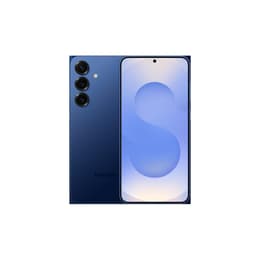
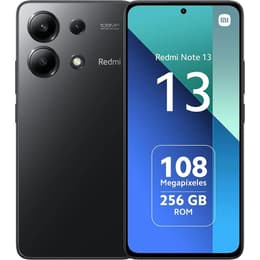
The Samsung Galaxy S25+ (2025) and the Xiaomi Redmi Note 13 4G (2024) serve different segments of the smartphone market, offering distinct capabilities for daily mobile communication. While the Galaxy S25+ is positioned as a high-end flagship device with advanced processing power and a premium build, the Xiaomi Redmi Note 13 4G functions as an entry-level smartphone designed for fundamental everyday tasks. Running on the Android operating system with custom manufacturer interfaces, these two models approach daily usage through very different hardware standards and target distinct user expectations.
Available Models
Colour
Storage (GB)
Scores
Durability
When examining longevity and durability, both smartphones approach software support and physical resilience from different tiers, impacting their expected practical lifespans.
- Software support timeline: The Galaxy S25+ receives extended software updates spanning multiple years, ensuring long-term security and feature additions, whereas the Xiaomi Redmi Note 13 4G offers a more modest software maintenance window typical of entry-level devices.
- Build resilience: The Galaxy S25+ utilizes robust glass and aluminum materials paired with high-level water and dust resistance, while the Xiaomi Redmi Note 13 4G relies on plastic construction with basic splash resistance suitable for careful handling.
- Expected lifespan: Users can anticipate the Galaxy S25+ to maintain high system responsiveness through years of heavy usage, whereas the Xiaomi Redmi Note 13 4G suits shorter upgrade cycles or lighter daily demands.
Year of Release
2025
2024
OS
Android
Android
Foldable
No
No
Performance
System performance and internal hardware capabilities vary significantly between these two models, directly affecting app loading speeds and multitasking convenience.
- Multitasking and processing: The Galaxy S25+ handles demanding mobile games, intensive applications, and rapid background task switching smoothly, while the Xiaomi Redmi Note 13 4G manages basic messaging, web browsing, and social media with occasional loading pauses during heavier workloads.
- Storage capacity: The Galaxy S25+ provides high-tier internal storage configurations for large media libraries, whereas the Xiaomi Redmi Note 13 4G offers balanced storage options often supplemented by expandable memory slots.
- Battery behavior: Both devices manage daily energy efficiently, but the Galaxy S25+ pairs its battery management with rapid charging solutions, presenting an eco-friendly, quality-assured alternative when acquired through sustainable refurbishment channels.
Screen quality
Display technology shapes the visual output of each device, influencing clarity, outdoor readability, and overall media consumption comfort.
- Display panel and clarity: The Galaxy S25+ features an advanced OLED screen delivering deep contrast levels and sharp detail resolution, while the Xiaomi Redmi Note 13 4G employs a standard AMOLED panel that maintains clear text and vibrant images for everyday viewing.
- Brightness and outdoor visibility: The Galaxy S25+ achieves high peak brightness levels for comfortable viewing under direct sunlight, whereas the Xiaomi Redmi Note 13 4G performs adequately in moderate outdoor lighting conditions.
- Refresh rate and motion smoothness: Both models incorporate high refresh rate panels that make scrolling through web pages and user interfaces appear fluid and responsive.
Resolution
1440x3120
1080 x 2400
Audiovisual
Imaging hardware and audio reproduction facilities differ substantially, dictating how each device handles photography, video recording, and media playback.
- Camera systems: The Galaxy S25+ incorporates a versatile multi-lens setup including high-resolution main, ultra-wide, and telephoto options for detailed zoom and low-light shots, while the Xiaomi Redmi Note 13 4G focuses on a simpler main sensor configuration suitable for casual daytime photography.
- Video and audio output: The Galaxy S25+ records stable, high-resolution video paired with balanced stereo speakers, whereas the Xiaomi Redmi Note 13 4G handles standard definition video recording and features a single or basic multi-speaker setup for media playback.
- Call clarity: Both smartphones integrate reliable microphone arrays that ensure clear voice transmission during standard phone calls and virtual meetings.
Miscellaneous
Physical dimensions, connectivity standards, and daily handling characteristics establish how comfortable each smartphone is to carry and use on the go.
- Connectivity options: The Galaxy S25+ supports advanced 5G networks, fast Wi-Fi standards, and modern Bluetooth protocols, while the Xiaomi Redmi Note 13 4G is limited to 4G cellular networks alongside standard wireless connectivity.
- Physical dimensions: The Galaxy S25+ balances a large viewing area with a slim profile and manageable weight, whereas the Xiaomi Redmi Note 13 4G offers a comparable footprint built around lighter plastic framing materials.
- Biometric security: Both devices include modern security features such as facial recognition and responsive fingerprint sensors embedded conveniently for daily unlocking.
Weight
190 g
175 g
Screen size (in)
6.7
6.67
Network
5G
4G
SIM card
Dual Physical SIM
Dual Physical SIM
Carrier compatibility
Unlocked
Unlocked
What the community thinks
User community discussions on platforms like Reddit highlight distinct patterns of praise and criticism for both devices. Owners of the Galaxy S25+ frequently commend its fluid system performance, bright display, and comprehensive camera versatility, though some note that flagship pricing can be high when bought new. Conversely, users of the Xiaomi Redmi Note 13 4G often praise its practical battery endurance and accessible nature for simple tasks, while pointing out occasional performance slowdowns during intensive multitasking and the absence of 5G connectivity.
Users prioritizing high-end gaming, advanced photography, and long-term software support may prefer the Galaxy S25+, while individuals seeking a straightforward communication tool for basic messaging, browsing, and media viewing will find the Xiaomi Redmi Note 13 4G well-suited to their needs. For those leaning toward the higher-tier capabilities of the Samsung model, exploring a quality-assured refurbished option provides a sustainable choice that reduces electronic waste without compromising on functional performance. Ultimately, the choice depends on matching daily digital habits with the specific technical strengths of each device.