

Galaxy S23 Ultra Vs iPhone 12

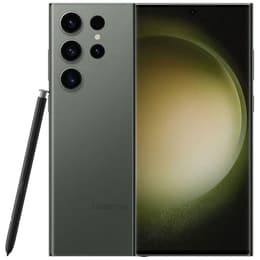
Galaxy S23 Ultra
Galaxy S23 Ultra
Starting at

Refurbished price:420.00

Versus €1,599.00 new

See options
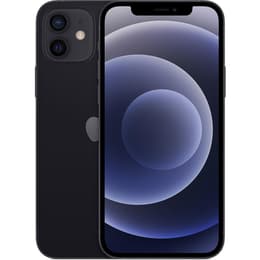
iPhone 12
iPhone 12
Starting at

Refurbished price:176.00

Versus €829.00 new

See options

Ratings

The Samsung Galaxy S23 Ultra, a flagship Android smartphone released in February 2023, and the Apple iPhone 12, a flagship iOS device launched in October 2020, represent different generations and ecosystems in the mobile market. While both offer premium smartphone experiences, the Galaxy S23 Ultra distinguishes itself with a more advanced camera system and integrated stylus, whereas the iPhone 12 provides a streamlined iOS experience with a focus on core functionality.

Scores

Durability

The practical lifespan of a smartphone is influenced by its release timeline, software support, and physical resilience. The Galaxy S23 Ultra, being a more recent device from February 2023, benefits from a longer remaining period of software updates compared to the iPhone 12, which was released in October 2020. Apple typically provides major iOS updates for approximately five to seven years, with security updates extending beyond that, meaning the iPhone 12 is expected to receive full iOS updates through 2027 and security support potentially until 2028-2030. Samsung generally offers four to five years of major Android updates and five years of security updates for its flagship devices, placing the S23 Ultra's expected support well into the future from its 2023 launch.

  • Build Materials: The Galaxy S23 Ultra features Corning Gorilla Glass Victus 2 on both its front and back, paired with an aluminum frame, offering enhanced resistance to drops and scratches. The iPhone 12 incorporates a Ceramic Shield front cover, which Apple states provides improved drop performance, along with a glass back and an aerospace-grade aluminum frame.
  • Water and Dust Resistance: Both devices carry an IP68 rating, indicating they can withstand submersion in up to 1.5 meters of water for up to 30 minutes, providing protection against dust and splashes.
  • Software Longevity: Users of the iPhone 12 can anticipate continued software functionality and security patches for several more years, ensuring its usability. The newer Galaxy S23 Ultra will naturally receive updates for a longer duration from the current date.

Year of Release

2023

2020

Compatible with latest Update

Yes

Yes

OS

Android

iOS

Foldable

No

No

Performance

Performance is a key differentiator, with the newer Galaxy S23 Ultra offering more advanced capabilities compared to the iPhone 12. The choice between these devices often depends on the user's need for raw processing power and extensive multitasking.

  • Processing Power: The Galaxy S23 Ultra is equipped with a current-generation processor designed for demanding applications and intensive multitasking, allowing for smooth operation and responsive gaming experiences. The iPhone 12, while featuring an older processor, delivered strong performance at its release, handling everyday apps and games efficiently. However, it may show its age when running the most graphically intensive applications or managing numerous background processes compared to newer hardware.
  • Memory and Storage: The Galaxy S23 Ultra offers a range of storage options starting from 256GB, with configurations up to 1TB, and includes 8GB or 12GB of RAM, facilitating robust multitasking. The iPhone 12 comes with storage options from 64GB to 256GB and typically features 4GB of RAM, which is sufficient for general use but can be a limiting factor for heavy multitasking.
  • Battery Performance: The Galaxy S23 Ultra houses a 5000 mAh battery, frequently noted by users as providing excellent endurance, often lasting up to two days on a single charge for average use. The iPhone 12, with a 2815 mAh battery, generally provides a full day of use, though its longevity is not as extensive as more recent flagship models.

Memory (GB)

8 GB

4 GB

Screen quality

The display is a primary interface for smartphone interaction, and both devices offer high-quality viewing experiences, though with notable differences in size, technology, and refresh rates.

  • Display Technology and Size: The Galaxy S23 Ultra features a large 6.8-inch Dynamic AMOLED 2X display, providing vibrant colors and deep blacks across its expansive screen. The iPhone 12 utilizes a 6.1-inch Super Retina XDR OLED display, also known for its excellent color reproduction and contrast.
  • Resolution and Clarity: The S23 Ultra boasts a QHD+ resolution of 1440x3088 pixels, resulting in a sharp 501 pixels per inch (PPI), offering exceptional detail. The iPhone 12 has a resolution of 2532x1170 pixels, with a density of 460 PPI, delivering clear and crisp visuals for its screen size.
  • Brightness and Refresh Rate: For outdoor visibility, the Galaxy S23 Ultra can reach a peak brightness of 1750 nits, making content easily viewable even in bright sunlight. It also features an adaptive refresh rate that scales from 1Hz to 120Hz, providing smooth scrolling and responsiveness. The iPhone 12 offers a peak HDR brightness of 1200 nits and a typical brightness of 625 nits, with a standard 60Hz refresh rate.

Resolution

1440 x 3088

1170 x 2532

Screen type

Dynamic AMOLED 2X

Super Retina XDR OLED

Audiovisual

The camera systems on both devices cater to different photographic needs, with the Galaxy S23 Ultra offering a more versatile and high-resolution setup, while the iPhone 12 provides a reliable and consistent dual-camera experience.

  • Rear Camera System: The Galaxy S23 Ultra features a comprehensive quad-camera array, including a 200-megapixel main sensor, a 12-megapixel ultrawide lens, and two 10-megapixel telephoto lenses offering 3x and 10x optical zoom capabilities. This setup allows for significant flexibility in capturing various scenes, from wide landscapes to distant subjects. The iPhone 12 is equipped with a dual 12-megapixel camera system, comprising a main wide lens and an ultrawide lens, providing solid performance for everyday photography.
  • Photography Features: The S23 Ultra excels in low-light conditions with its advanced Nightography features and the high-resolution main sensor captures immense detail, allowing for significant cropping without loss of quality. The iPhone 12 offers good low-light performance for its generation, with Night mode available on both its main and ultrawide cameras.
  • Video Recording: For video enthusiasts, the Galaxy S23 Ultra supports recording up to 8K resolution at 30 frames per second and 4K at 60 frames per second, with enhanced stabilization. The iPhone 12 can record up to 4K at 60 frames per second and supports HDR video with Dolby Vision at up to 30 frames per second.

Main camera

200 megapixels

12 megapixels

Front camera

12 megapixels

12 megapixels

Miscellaneous

Beyond core performance and display, several practical elements contribute to the overall user experience, including connectivity, physical design, and unique features.

  • Connectivity and Ports: Both smartphones support 5G connectivity for faster mobile data speeds. The Galaxy S23 Ultra includes Wi-Fi 6E and Bluetooth 5.3, offering advanced wireless capabilities. The iPhone 12 supports Wi-Fi 6 and Bluetooth 5.0. For physical connections, the S23 Ultra uses a USB-C port, while the iPhone 12 features Apple's proprietary Lightning port.
  • Biometrics and Unique Features: The Galaxy S23 Ultra incorporates an ultrasonic in-screen fingerprint sensor and 2D face unlock for secure access, alongside its signature integrated S Pen stylus, which offers enhanced productivity and creative input. The iPhone 12 relies on Face ID, Apple's facial recognition system, for secure authentication.
  • Dimensions and Handling: The Galaxy S23 Ultra is a larger and heavier device, measuring 163.4 x 78.1 x 8.9 mm and weighing between 233-234 grams, which contributes to its expansive screen but also its substantial feel in hand. The iPhone 12 is more compact and lighter at 146.7 x 71.5 x 7.4 mm and 164 grams, making it easier for one-handed use for many individuals.

Weight

234 g

164 g

Screen size (in)

6.8

6.1

Network

5G

5G

SIM card

Dual Physical SIM + eSIM

Physical SIM + eSIM

Carrier compatibility

Unlocked

Unlocked

Connector

USB-C

Lightning

The Samsung Galaxy S23 Ultra and the Apple iPhone 12 cater to distinct user preferences, reflecting their different release timelines and operating systems. Users frequently praise the Galaxy S23 Ultra for its exceptional camera system, particularly its versatility and zoom capabilities, as well as its impressive battery life and powerful performance for demanding tasks. Its integrated S Pen is also a significant draw for those who value precision input and productivity features. Some common criticisms revolve around its large size and weight, which might not appeal to all users.

Conversely, the iPhone 12 is often lauded for its reliable performance, the consistent and user-friendly iOS ecosystem, and its durable build quality. Users appreciate its continued software support, ensuring a long practical lifespan. However, its 60Hz display and battery life, while adequate, are not as advanced as newer flagship models.

Users prioritizing a cutting-edge camera system, extended battery life, a large display, and the versatility of a stylus will find the Galaxy S23 Ultra well-suited to their needs. This device is ideal for power users, mobile photographers, and those deeply integrated into the Android ecosystem. On the other hand, individuals seeking a more compact and lightweight device, a consistent iOS experience, and long-term software support will lean towards the iPhone 12. It remains a solid choice for users already within the Apple ecosystem or those who value a streamlined, reliable smartphone experience without the latest advanced features.

For those considering either device, exploring quality-assured refurbished options can provide an eco-friendly alternative, allowing access to these technologies in a sustainable way.

See all articles

Our recent comparisons