

Galaxy S21 5G Vs iPhone 16 Plus

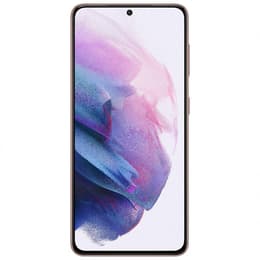
Galaxy S21 5G
Galaxy S21 5G
Starting at

Refurbished price:167.00

Versus €1,026.00 new

See options
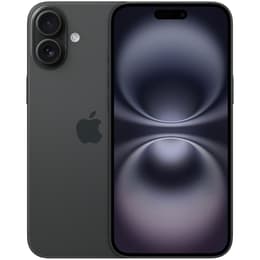
iPhone 16 Plus
iPhone 16 Plus
Starting at

Refurbished price:559.00

Versus €979.00 new

See options

Ratings

The Samsung Galaxy S21 5G, released in January 2021, and the iPhone 16 Plus, launched in September 2024, represent different generations and operating system ecosystems. While the Galaxy S21 5G runs on Android, offering a customizable experience, the iPhone 16 Plus operates on Apple's iOS, known for its integrated ecosystem and long-term software support. Key differentiators include their respective release timelines, display technologies, and camera system philosophies.

Scores

Durability

The practical lifespan of a smartphone is heavily influenced by its release date and the manufacturer's commitment to software updates and repairability.

  • Release Timeline: The Galaxy S21 5G was introduced in early 2021, making it a device from a previous generation. The iPhone 16 Plus, released in late 2024, benefits from being a much newer model.
  • Software Longevity: The Galaxy S21 5G launched with Android 11 and received major OS updates up to Android 15 (One UI 7), with security updates extending until early 2026, after which they became quarterly and have now ended. [9, 13, 21, 33] In contrast, the iPhone 16 Plus, launching with iOS 18, is expected to receive major iOS updates for a minimum of five years from its release date, likely extending to seven years or more, offering a significantly longer period of software support. [20, 22, 39, 44, 45]
  • Repairability: While both manufacturers offer repair services, the iPhone 16 Plus features an internal design that facilitates easier battery replacements compared to previous models, potentially extending its usable life. [6]

Year of Release

2021

2024

Compatible with latest Update

Yes

Yes

Foldable

No

No

Performance

Performance is a critical aspect for daily use, encompassing how smoothly applications run, the device's responsiveness, and its ability to handle demanding tasks.

  • System Responsiveness: The Galaxy S21 5G, powered by its generation's flagship processors (Exynos 2100 or Snapdragon 888), delivers smooth performance for everyday applications and multitasking. [1, 12, 15] The iPhone 16 Plus, featuring a newer generation processor, offers enhanced speed and efficiency, resulting in quicker app loading times and a more fluid user experience, especially with more intensive applications and future software features like Apple Intelligence. [3, 4, 5, 7, 18, 30]
  • Multitasking and Storage: Both devices come with 8GB of RAM, allowing for efficient multitasking. [1, 12, 15, 18, 30] The Galaxy S21 5G offers 128GB or 256GB of internal storage, without expandable options. [1, 12, 15, 27] The iPhone 16 Plus provides more storage flexibility with options up to 512GB. [4, 5, 7, 34]
  • Battery Behavior: The Galaxy S21 5G is equipped with a 4000 mAh battery, providing approximately 1.5 days of typical use, or around 10 hours of Wi-Fi streaming. [1, 12, 27, 32, 36] The iPhone 16 Plus, with its 4674 mAh battery and more efficient components, offers extended usage times, rated for up to 27 hours of video playback and 24 hours of streaming video. [6, 7, 18]

Memory (GB)

8 GB

8 GB

Screen quality

The display is the primary interface for user interaction, and its quality significantly impacts the viewing experience.

  • Display Technology and Size: The Galaxy S21 5G features a 6.2-inch Dynamic AMOLED 2X display, known for its vibrant colors and deep blacks. [1, 13, 17] The iPhone 16 Plus boasts a larger 6.7-inch Super Retina XDR OLED display, also delivering excellent color reproduction and contrast. [3, 6, 7, 14, 34]
  • Resolution and Clarity: The Galaxy S21 5G has a Full HD+ resolution of 1080 x 2400 pixels, resulting in a pixel density of 421 PPI. [1, 17] The iPhone 16 Plus offers a resolution of 2796 x 1290 pixels with a similar pixel density of 460 PPI, ensuring sharp and clear visuals. [6, 7, 14, 34]
  • Brightness and Smoothness: The Galaxy S21 5G's display can reach a peak brightness of 1300 nits and features an adaptive 120Hz refresh rate, providing smooth scrolling and responsive interactions. [24, 29] The iPhone 16 Plus offers higher peak brightness for outdoor use at 2000 nits, but it maintains a fixed 60Hz refresh rate, which means animations and scrolling may not appear as fluid as on the Galaxy S21 5G. [3, 6, 14, 19, 30, 34]

Resolution

1080 x 2400

1290 x 2796

Screen type

Dynamic AMOLED 2X

Super Retina XDR OLED

Audiovisual

Both devices offer capable camera systems designed to capture high-quality photos and videos, though with different configurations and features.

  • Rear Camera Systems: The Galaxy S21 5G features a versatile triple-camera setup on the rear, including a 12MP ultra-wide, a 12MP wide-angle, and a 64MP telephoto lens capable of 3x hybrid zoom. [2, 25, 36] The iPhone 16 Plus comes with an advanced dual-camera system, featuring a 48MP Fusion Main camera with sensor-shift optical image stabilization and a 12MP ultrawide lens. The 48MP main sensor also enables 2x telephoto capabilities. [4, 7, 14]
  • Photography Features: The Galaxy S21 5G includes features like 8K video recording, Super Steady for stable video, Director's View, and an enhanced Bright Night mode for low-light conditions. [25, 35, 36] The iPhone 16 Plus supports Spatial Videos, enabled by its vertical camera arrangement, and introduces a dedicated Camera Control button for improved photographic control. [4, 5, 7]
  • Front Camera and Audio: Both devices are equipped with 10MP (Galaxy S21 5G) and 12MP (iPhone 16 Plus) front-facing cameras, suitable for high-quality selfies and video calls. [2, 7, 14, 36] For audio, the iPhone 16 Plus offers Dolby Atmos-tuned Spatial Audio, enhancing the media consumption experience. [7]

Main camera

12 megapixels

48 megapixels

Front camera

10 megapixels

12 megapixels

Miscellaneous

Beyond core specifications, several practical elements contribute to the overall user experience and device utility.

  • Connectivity and Ports: Both the Galaxy S21 5G and iPhone 16 Plus support 5G connectivity for fast mobile data. [1, 7, 34] The Galaxy S21 5G supports Wi-Fi 6 and Bluetooth 5.0, while the newer iPhone 16 Plus features Wi-Fi 7 and Bluetooth 5.3, offering potentially faster and more stable wireless connections. [6, 7, 34] Both devices utilize a USB-C port for charging and data transfer. [4, 7, 34]
  • Biometric Security: The Galaxy S21 5G uses an ultrasonic in-screen fingerprint sensor for secure unlocking. [13, 27] The iPhone 16 Plus relies on Face ID for biometric authentication. [14]
  • Design and Durability: The Galaxy S21 5G features a plastic back with metal rails, contributing to its 169g weight and 7.9mm thickness. [1, 12, 27, 36] The iPhone 16 Plus has an aluminum design with a Ceramic Shield front and color-infused glass back, weighing 199g and measuring 7.8mm thick. [7, 34, 43] Both offer IP68 dust and water resistance. [1, 7]

Weight

171 g

199 g

Screen size (in)

6.2

6.7

Network

5G

5G

SIM card

Physical SIM + eSIM

eSIM

Carrier compatibility

Unlocked

Unlocked

Connector

USB-C

USB-C (USB 2)

The Samsung Galaxy S21 5G and the iPhone 16 Plus cater to different user preferences, largely due to their generational gap and distinct operating systems. Users of the Galaxy S21 5G often praise its vibrant AMOLED display with a smooth 120Hz refresh rate, its versatile camera system, and the flexibility offered by the Android operating system. Some common criticisms for the S21 5G include its battery life, which some heavy users found to require more frequent charging, and the eventual cessation of major software updates. [27, 32, 33]

The iPhone 16 Plus, being a more recent release, is lauded for its extended software support, robust performance, and the integrated Apple ecosystem. Users appreciate its larger display, enhanced battery endurance, and the advanced capabilities of its camera system, particularly for video. A point of consideration for some users might be the fixed 60Hz refresh rate on its display, which, while still smooth, does not offer the same fluidity as higher refresh rate screens found on some other devices, including the older Galaxy S21 5G. [19, 30]

Users prioritizing a highly customizable Android experience, a 120Hz display, and a slightly more compact form factor might find the Galaxy S21 5G well-suited to their needs, especially as a quality-assured refurbished option. Conversely, those who value long-term software support, a larger display, a powerful and efficient processor, and the Apple ecosystem will likely lean towards the iPhone 16 Plus. Both devices offer compelling features, and choosing between them depends on individual priorities regarding operating system, display fluidity, and the importance of having the latest hardware and software support. Exploring refurbished options for either model can provide an eco-friendly alternative for consumers.

See all articles

Our recent comparisons