

Galaxy S21 FE 5G Vs iPhone 12 Pro

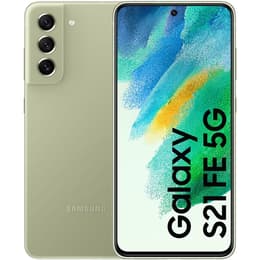
Galaxy S21 FE 5G
Galaxy S21 FE 5G
Starting at

Refurbished price:159.00

Versus €829.91 new

See options
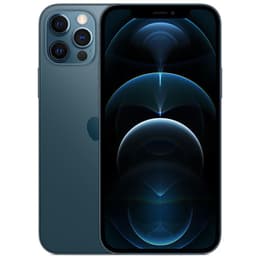
iPhone 12 Pro
iPhone 12 Pro
Starting at

Refurbished price:214.00

Versus €1,039.00 new

See options

Ratings

The Samsung Galaxy S21 FE 5G, released in January 2022, and the iPhone 12 Pro, launched in October 2020, represent two distinct approaches to premium smartphone design and functionality. While both offer robust performance and advanced camera systems, they differ significantly in their operating systems and display technologies. The Galaxy S21 FE runs on Android, providing a customizable experience, while the iPhone 12 Pro operates on Apple's iOS, known for its integrated ecosystem.

Scores

Durability

When considering the longevity of these devices, their release timelines and software support policies are key factors.

  • Release Timeline: The iPhone 12 Pro was released in October 2020, making it approximately 15 months older than the Galaxy S21 FE 5G, which launched in January 2022. This age difference impacts their remaining software support cycles.
  • OS Support Duration: Apple typically provides major iOS updates for 5 to 7 years. The iPhone 12 Pro, launched with iOS 14, is expected to receive major iOS updates until around 2025-2027, with security updates potentially extending beyond that. The Galaxy S21 FE 5G, starting with Android 12, is promised four major Android OS updates, meaning it should receive up to Android 16, and security updates until January or February 2027.
  • Repairability: The Galaxy S21 FE 5G has a repairability score of 7.5 out of 10, indicating a relatively straightforward repair process for many components. The iPhone 12 Pro received a score of 6 out of 10, with iFixit noting that while many components are modular, proprietary screws and enhanced waterproofing can complicate repairs.

Year of Release

2022

2020

Compatible with latest Update

Yes

Yes

OS

Android

iOS

Foldable

No

No

Performance

Both smartphones deliver strong performance for daily tasks and demanding applications, though their underlying architectures differ.

  • Processor Capabilities: The iPhone 12 Pro is equipped with a powerful processor that ensures smooth operation across applications, efficient multitasking, and capable handling of graphics-intensive games. The Galaxy S21 FE 5G features a current-generation processor that allows for responsive app loading, fluid navigation, and strong performance in various usage scenarios, including gaming.
  • System Responsiveness: Users generally report that both devices offer a highly responsive experience. The iPhone 12 Pro maintains its speed and fluidity even with multiple apps open, while the Galaxy S21 FE 5G provides a consistently smooth user interface, though some users of the Exynos variant noted occasional warming under light usage.
  • Storage Options: The iPhone 12 Pro offers storage capacities of 128GB, 256GB, and 512GB. The Galaxy S21 FE 5G is available with 128GB or 256GB of internal storage.

Memory (GB)

6 GB

6 GB

Screen quality

The visual experience on these devices is a key differentiator, with each offering distinct display characteristics.

  • Display Technology: The iPhone 12 Pro features a 6.1-inch Super Retina XDR OLED display, known for its deep blacks, high contrast, and vibrant color reproduction. The Galaxy S21 FE 5G comes with a 6.4-inch Dynamic AMOLED 2X display, which also delivers rich colors and excellent contrast.
  • Refresh Rate: A notable difference is the refresh rate; the Galaxy S21 FE 5G offers a 120Hz refresh rate for smoother scrolling and more fluid animations, while the iPhone 12 Pro has a standard 60Hz refresh rate.
  • Brightness and Clarity: Both displays offer high resolution, ensuring sharp text and clear images. The iPhone 12 Pro's display provides excellent brightness, making it visible even in bright outdoor conditions. The Galaxy S21 FE 5G also offers sufficient brightness for outdoor visibility.

Resolution

1080 x 2340

1170 x 2532

Screen type

Dynamic AMOLED 2X

Super Retina XDR OLED

Audiovisual

Both smartphones are equipped with versatile camera systems capable of capturing high-quality photos and videos, each with its own strengths.

  • Rear Camera System: The iPhone 12 Pro features a triple 12-megapixel camera setup, including wide, ultrawide, and a 2x telephoto lens, alongside a LiDAR scanner for improved low-light autofocus and Night mode portraits. The Galaxy S21 FE 5G also has a triple camera system with a 12-megapixel wide lens, a 12-megapixel ultrawide lens, and an 8-megapixel telephoto lens offering 3x optical zoom.
  • Photography Performance: The iPhone 12 Pro is praised for its low-light performance, Night mode capabilities, and consistent image quality across its lenses. The Galaxy S21 FE 5G generally produces good photos in various conditions, with its main and ultrawide cameras performing well, though the telephoto and front cameras may struggle in very low light.
  • Video Recording: The iPhone 12 Pro supports Dolby Vision HDR video recording at up to 4K 60 frames per second, offering advanced video capabilities. The Galaxy S21 FE 5G can record 4K video at 30 or 60 frames per second, with optical image stabilization on its wide and telephoto lenses.

Main camera

12 megapixels

12 megapixels

Front camera

32 megapixels

12 megapixels

Miscellaneous

Beyond core performance and display, several practical features contribute to the overall user experience of these devices.

  • Build Materials and Design: The iPhone 12 Pro features a premium build with a stainless steel frame and a Ceramic Shield front cover for enhanced durability. The Galaxy S21 FE 5G uses an aluminum frame, a Gorilla Glass Victus front, and a plastic back, contributing to a lighter feel. Both devices carry an IP68 rating for dust and water resistance.
  • Connectivity: Both smartphones support 5G connectivity, along with modern Wi-Fi standards and Bluetooth. The iPhone 12 Pro also introduced MagSafe for magnetic accessories and wireless charging.
  • Ports and Biometrics: The iPhone 12 Pro uses a Lightning port for charging and data transfer, while the Galaxy S21 FE 5G features a USB-C 3.2 port. For security, the iPhone 12 Pro relies on Face ID, and the Galaxy S21 FE 5G incorporates an under-display fingerprint sensor.

Weight

177 g

187 g

Screen size (in)

6.4

6.1

Network

5G

5G

SIM card

Physical SIM

Physical SIM + eSIM

Carrier compatibility

Unlocked

Unlocked

Connector

USB-C

Lightning

User feedback for the Galaxy S21 FE 5G often highlights its vibrant 120Hz AMOLED display and capable camera system as strong points. Some users appreciate its overall performance, especially the Snapdragon variants, though battery life can be a concern for heavy users, and the front camera may underperform in low light. The iPhone 12 Pro is frequently praised for its robust performance, excellent OLED display, and advanced camera capabilities, particularly in low light and video recording. However, some users noted its 60Hz refresh rate as a drawback compared to newer Android devices, and battery life, while generally good, might not satisfy the most demanding users.

Users who prioritize a high refresh rate display for smoother interactions and a more customizable Android experience may find the Galaxy S21 FE 5G well-suited to their needs. Its 3x optical zoom also appeals to those who frequently use telephoto capabilities. Conversely, individuals who value a highly integrated ecosystem, consistent camera performance across various conditions, and strong video recording features may lean towards the iPhone 12 Pro. Its premium build and long software support are also significant advantages. Both devices offer a quality-assured refurbished option, providing an eco-friendly alternative for consumers.


See all articles

Our recent comparisons