

Galaxy S21 5G Vs iPhone 15 Plus

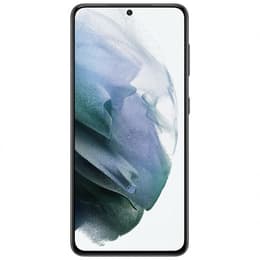
Galaxy S21 5G
Galaxy S21 5G
Starting at

Refurbished price:165.00

Versus €1,026.00 new

See options
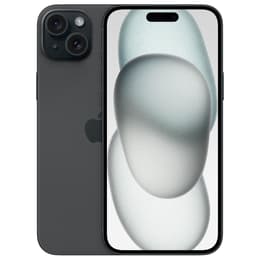
iPhone 15 Plus
iPhone 15 Plus
Starting at

Refurbished price:420.00

Versus €979.00 new

See options

Ratings

The Samsung Galaxy S21 5G, released in January 2021, and the iPhone 15 Plus, launched in September 2023, represent different generations and operating systems within the smartphone market. While the Galaxy S21 5G runs on Android, offering a customizable experience, the iPhone 15 Plus operates on iOS, known for its integrated ecosystem. Key differentiators include their display technologies, camera capabilities, and overall performance, reflecting advancements over time.

Scores

Durability

The longevity of a smartphone is influenced by its release date, software support, and repairability. The iPhone 15 Plus, being a newer device, generally offers a longer period of software updates compared to the Galaxy S21 5G.

  • Release Timeline: The Galaxy S21 5G was released in January 2021, while the iPhone 15 Plus launched significantly later in September 2023. This nearly three-year difference means the iPhone 15 Plus benefits from more recent hardware and a longer expected support window.
  • OS Support: The Galaxy S21 5G launched with Android 11 and received its final major Android update to Android 15 in April 2025, with security patches potentially continuing for a period after. The iPhone 15 Plus launched with iOS 17 and is expected to receive iOS updates for several more years, typically 5-6 years from its release.
  • Repairability: The Galaxy S21 5G has been noted for a relatively good repairability score, with some sources indicating it is fairly easy to disassemble and replace parts, though the battery can be challenging to remove. Information on the iPhone 15 Plus's specific repairability score is less detailed, but Apple has generally made efforts to improve repairability in recent models.

Year of Release

2021

2023

Compatible with latest Update

Yes

Yes

OS

Android

iOS

Foldable

No

No

Performance

Performance in smartphones is crucial for daily tasks, from browsing to demanding applications. Both devices offer capable performance, but the newer iPhone 15 Plus benefits from more recent advancements in processing power and efficiency.

  • Processor Capabilities: The iPhone 15 Plus features a more recent generation processor, which translates to smoother operation, faster app loading times, and more efficient handling of graphically intensive games and applications. The Galaxy S21 5G, while still capable for everyday use, may show its age with more demanding tasks compared to the newer iPhone.
  • Battery Behavior: The iPhone 15 Plus is noted for its extended battery life, with users reporting it can comfortably last through a full day of heavy use and potentially up to two days with moderate usage. The Galaxy S21 5G has a smaller battery capacity, which may require more frequent charging for heavy users.
  • Storage Options: Both devices offer various storage configurations. The Galaxy S21 5G typically comes with 128GB or 256GB of internal storage. The iPhone 15 Plus offers 128GB, 256GB, and 512GB options, providing more flexibility for users with extensive storage needs.

Memory (GB)

8 GB

6 GB

Screen quality

The display is a primary interface for smartphone users, and both the Galaxy S21 5G and iPhone 15 Plus offer vibrant viewing experiences with distinct characteristics.

  • Display Technology and Size: The Galaxy S21 5G features a 6.2-inch Dynamic AMOLED 2X display, known for its deep blacks and vibrant colors. The iPhone 15 Plus has a larger 6.7-inch Super Retina XDR OLED display, offering an expansive viewing area.
  • Resolution and Brightness: The iPhone 15 Plus boasts a higher resolution of 2796 x 1290 pixels and a significantly higher peak outdoor brightness of up to 2000 nits, making it highly visible even in direct sunlight. The Galaxy S21 5G has a resolution of 2400 x 1080 pixels and a peak brightness of 1300 nits.
  • Refresh Rate: The Galaxy S21 5G features an adaptive 120Hz refresh rate, which provides a smoother scrolling and gaming experience. The iPhone 15 Plus maintains a standard 60Hz refresh rate.

Resolution

1080 x 2400

1290 x 2796

Screen type

Dynamic AMOLED 2X

Super Retina XDR OLED

Audiovisual

Camera capabilities are a significant factor for many smartphone users, and both devices offer advanced systems for capturing photos and videos, though with different approaches and strengths.

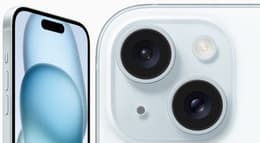
  • Rear Camera System: The Galaxy S21 5G features a triple-lens system with a 12MP wide-angle, a 64MP telephoto with 3x hybrid optical zoom, and a 12MP ultra-wide camera. It supports 8K video recording. The iPhone 15 Plus has a dual-camera system, including a 48MP main sensor with sensor-shift optical image stabilization and a 12MP ultra-wide lens. The 48MP main sensor can also achieve 2x optical-quality zoom by cropping.
  • Photography Performance: The iPhone 15 Plus offers improved low-light performance and next-generation portrait features, allowing for depth control after a photo is taken. The Galaxy S21 5G also includes enhanced night mode and various creative shooting modes.
  • Front Camera: The Galaxy S21 5G has a 10MP front-facing camera. The iPhone 15 Plus features a 12MP TrueDepth front camera with autofocus and improved low-light capabilities for selfies and video calls.

Main camera

12 megapixels

48 megapixels

Front camera

10 megapixels

12 megapixels

Miscellaneous

Beyond core features, several practical elements contribute to the overall user experience, including connectivity, physical design, and additional functionalities.

  • Connectivity and Ports: Both devices support 5G connectivity. The Galaxy S21 5G supports Wi-Fi 6 and Bluetooth 5.0, featuring a USB-C port. The iPhone 15 Plus supports Wi-Fi 6E and Bluetooth 5.3, and notably, it has transitioned to a USB-C port.
  • Sensors and Biometrics: The Galaxy S21 5G includes an ultrasonic in-display fingerprint sensor and face recognition. The iPhone 15 Plus relies on Face ID for secure authentication.
  • Design and Build: The Galaxy S21 5G features a glass front (Gorilla Glass Victus), a plastic back, and an aluminum frame, with an IP68 rating for dust and water resistance. The iPhone 15 Plus has a Ceramic Shield front, color-infused glass back, and an aluminum frame, also with an IP68 rating. The iPhone 15 Plus also incorporates the Dynamic Island for interactive alerts.

Weight

171 g

201 g

Screen size (in)

6.2

6.7

Network

5G

5G

SIM card

Physical SIM + eSIM

Physical SIM + eSIM

Carrier compatibility

Unlocked

Unlocked

Connector

USB-C

USB-C

The Samsung Galaxy S21 5G and iPhone 15 Plus cater to different user preferences, largely due to their operating systems and release timelines. Users often praise the Galaxy S21 5G for its customizable Android experience and its adaptive 120Hz display, which provides a fluid visual experience. Some users appreciate its versatile camera system, including the dedicated telephoto lens. However, common criticisms for the S21 5G often revolve around its battery life compared to newer models and the eventual cessation of major software updates.

The iPhone 15 Plus, being a more recent release, is frequently lauded for its significantly improved battery life, vibrant and bright OLED display, and the consistent performance delivered by its newer processor. Users also highlight the advancements in its camera system, particularly the 48MP main sensor and enhanced portrait capabilities. The integration of the Dynamic Island is also a notable feature that enhances user interaction. Potential concerns for some users might include the 60Hz refresh rate, which is lower than many Android counterparts, and the more closed nature of the iOS ecosystem.

Users prioritizing a larger, brighter display and extended battery life, along with the latest software support and camera innovations, may find the iPhone 15 Plus well-suited to their needs. Conversely, those who prefer the flexibility and customization of the Android operating system, along with a high refresh rate display, might still find the Galaxy S21 5G a capable device, especially as a quality-assured refurbished option. The choice between these two devices ultimately depends on individual priorities regarding operating system preference, display features, camera capabilities, and long-term software support.

See all articles

Our recent comparisons