

Galaxy S20+ 5G Vs Google Pixel 8

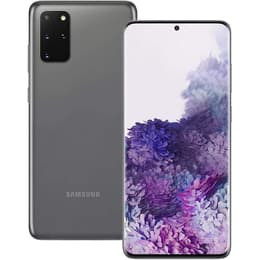
Galaxy S20+ 5G
Galaxy S20+ 5G
Starting at

Refurbished price:191.00

Versus €590.00 new

See options
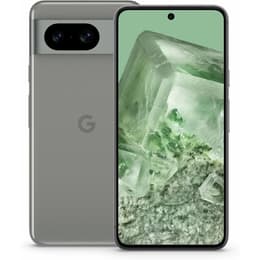
Google Pixel 8
Google Pixel 8
Starting at

Refurbished price:235.00

Versus €999.00 new

See options

Ratings

The Samsung Galaxy S20 Plus 5G, released in early 2020, and the Google Pixel 8, launched in late 2023, represent different generations of flagship smartphones. While both offer premium Android experiences, the Pixel 8 benefits from more recent advancements in processing power and an extended software support policy, whereas the Galaxy S20 Plus 5G initially offered a larger, higher-resolution display.

Scores

Durability

When considering the longevity of these devices, their respective release timelines and software support policies are key factors.

  • Release Timeline: The Samsung Galaxy S20 Plus 5G was released in February 2020, making it an older device compared to the Google Pixel 8, which launched in October 2023. This age difference directly impacts their remaining software support.
  • OS Support Duration: The Google Pixel 8 is notable for its commitment to seven years of OS upgrades, security updates, and feature drops, extending its support until 2030. In contrast, the Galaxy S20 Plus 5G launched with Android 10 and received updates up to Android 13, meaning its official software support has concluded.
  • Repairability: The Pixel 8 has received moderate repairability scores, with some assessments giving it a 7 out of 10, indicating that self-repairs are possible for those with experience. Another assessment gave it a 5.5 out of 10, noting that while the screen is relatively easy to remove, the battery can be challenging due to adhesives. The Galaxy S20 Plus 5G, like many older flagships, was not designed with high repairability as a primary focus. Both devices feature IP68 ratings for dust and water resistance, offering protection against environmental elements.

Year of Release

2020

2023

Compatible with latest Update

No

Yes

OS

Android

Android

Foldable

No

No

Performance

The performance capabilities of these smartphones reflect the advancements in mobile technology over several years.

  • Overall System Responsiveness: The Google Pixel 8, powered by a more recent processor, delivers a highly responsive user experience, handling demanding applications and multitasking smoothly. Users report the phone feels snappy and performs well for everyday tasks and gaming. The Galaxy S20 Plus 5G, with its older generation processor, still offers capable performance for general use, but may show limitations with the most intensive modern applications or prolonged heavy multitasking compared to newer devices.
  • Storage Options: Both devices offer internal storage options of 128GB and 256GB. The Galaxy S20 Plus 5G also had a 512GB variant and uniquely features a microSD card slot for expandable storage, providing flexibility for users who require more space for media and files. The Pixel 8 does not support expandable storage.
  • Battery Behavior: The Pixel 8 is equipped with a 4575 mAh battery, while the Galaxy S20 Plus 5G has a 4500 mAh battery. User experiences with the Pixel 8's battery life are generally positive, often lasting a full day with mixed usage, though heavy users might require an afternoon charge. The Pixel 8's Adaptive Battery feature helps optimize power consumption over time. The Galaxy S20 Plus 5G's battery performance, while adequate at launch, may show degradation over time due to its age.

Memory (GB)

8 GB

8 GB

Screen quality

The visual experience on both devices is delivered through high-quality displays, though with some differences in technology and specifications.

  • Display Technology and Resolution: The Samsung Galaxy S20 Plus 5G features a 6.7-inch Dynamic AMOLED 2X display with a resolution of 1440 x 3200 pixels, resulting in a pixel density of 525 PPI. The Google Pixel 8 has a slightly smaller 6.2-inch OLED display with a 1080 x 2400 pixel resolution, offering 428 PPI. Both displays provide vibrant colors and deep blacks, characteristic of OLED technology.
  • Brightness and Refresh Rate: The Pixel 8's display can reach a peak brightness of up to 2000 nits, making it highly visible in bright outdoor conditions. It also features a variable refresh rate of 60-120Hz, providing smooth scrolling and animations. The Galaxy S20 Plus 5G also supports a 120Hz refresh rate, but only at FHD+ resolution, dropping to 60Hz at its native QHD+ resolution. It also supports HDR10+ for enhanced contrast.
  • Screen Protection: The Pixel 8 is protected by Corning Gorilla Glass Victus, offering enhanced durability against scratches and drops. The Galaxy S20 Plus 5G uses Corning Gorilla Glass 6 for its display protection.

Resolution

1440 x 3200

1080 x 2400

Screen type

Dynamic AMOLED 2X

OLED

Audiovisual

Both smartphones offer capable camera systems, each with their own strengths in photography and videography.

  • Rear Camera Systems: The Google Pixel 8 features a dual-camera setup with a 50 MP wide-angle main sensor (f/1.7, OIS) and a 12 MP ultrawide sensor (f/2.2) with autofocus. The Samsung Galaxy S20 Plus 5G boasts a quad-camera system, including a 12 MP wide-angle lens (f/1.8, OIS), a 64 MP telephoto lens (f/2.0) with 3x hybrid optical zoom and OIS, a 12 MP ultrawide lens (f/2.2), and a 0.3 MP DepthVision (TOF 3D) sensor.
  • Photography Performance: The Pixel 8 is known for its computational photography, delivering consistent and high-quality images, particularly excelling in low-light conditions. Users frequently praise its camera performance. The Galaxy S20 Plus 5G also offers strong photographic capabilities with its versatile lens array, including a dedicated telephoto lens for optical zoom.
  • Video Recording: The Galaxy S20 Plus 5G supports video recording up to 8K resolution at 24 frames per second, as well as 4K at 30/60fps. The Pixel 8 records video at up to 4K resolution at 24/30/60 frames per second. Both devices offer optical image stabilization (OIS) for smoother video capture.

Main camera

12 megapixels

50 megapixels

Front camera

10 megapixels

10.5 megapixels

Miscellaneous

Beyond core features, several practical elements differentiate these two devices in terms of daily usability and design.

  • Connectivity and Ports: Both smartphones support 5G connectivity. The Pixel 8 supports newer Wi-Fi 7 standards in some markets, while the Galaxy S20 Plus 5G supports Wi-Fi 6 (ax). Both utilize a USB-C port for charging and data transfer and lack a 3.5mm headphone jack. The Pixel 8 features Bluetooth 5.3, an upgrade from the Galaxy S20 Plus 5G's Bluetooth 5.0.
  • Biometric Security: Both devices incorporate in-display fingerprint sensors for secure unlocking. The Pixel 8 also includes face recognition for unlocking.
  • Physical Design and Materials: The Pixel 8 has dimensions of 150.5 x 70.8 x 8.9 mm and weighs 187 grams. It features a glass front and back (Gorilla Glass Victus) with an aluminum frame. The Galaxy S20 Plus 5G is slightly larger at 161.9 x 73.7 x 7.8 mm and weighs 188 grams. It uses Gorilla Glass 6 for its front and back, also with an aluminum frame. The Pixel 8 offers a more compact form factor, which some users may find more comfortable for one-handed use.

Weight

188 g

187 g

Screen size (in)

6.7

6,2

Network

5G

5G

SIM card

Physical SIM + eSIM

Physical SIM + eSIM

Carrier compatibility

Unlocked

Unlocked

Connector

USB-C

USB-C

The Samsung Galaxy S20 Plus 5G and the Google Pixel 8 cater to different user priorities, largely due to their respective release dates and the technological advancements made in between.

For the Galaxy S20 Plus 5G, common praise points at its release included its expansive and high-resolution display, versatile camera system with optical zoom, and the option for expandable storage. Its criticisms often centered on battery life for heavy users and the eventual end of software support. Users who prioritize a larger, very high-resolution display and the flexibility of a microSD card slot might still find aspects of the Galaxy S20 Plus 5G appealing, especially if they are comfortable with an older software version or custom ROMs.

The Google Pixel 8, being a more recent device, receives frequent praise for its advanced computational photography, delivering excellent image quality, particularly in challenging conditions. Users also appreciate its smooth and clean Android experience, consistent performance, and its more compact design. A significant advantage of the Pixel 8 is Google's commitment to seven years of software and security updates, ensuring long-term usability and access to new features. Criticisms sometimes mention its battery life as being good but not exceptional for heavy usage, and the lack of expandable storage. Users prioritizing long-term software support, cutting-edge camera performance, and a compact form factor will find the Pixel 8 well-suited to their needs.

Ultimately, the choice depends on individual priorities. Users who value a larger, higher-resolution screen and expandable storage might lean towards the Galaxy S20 Plus 5G, understanding its software support has ended. Conversely, those who prioritize extended software longevity, superior camera capabilities, and a more modern, compact design will likely prefer the Google Pixel 8. Both devices, particularly the Pixel 8, are available as quality-assured refurbished options, offering an eco-friendly alternative for consumers.


See all articles

Our recent comparisons