

Galaxy S10 Vs Google Pixel 6A

Galaxy S10
Galaxy S10
Starting at

Refurbished price:114.00

Versus €549.00 new

See options
Google Pixel 6A
Google Pixel 6A
Starting at

Refurbished price:143.00

Versus €459.00 new

See options

Ratings

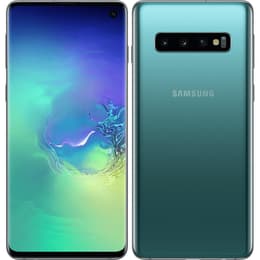
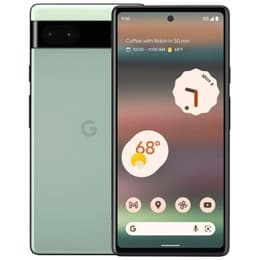
The Samsung Galaxy S10, released in March 2019, entered the market as a premium flagship device, showcasing advanced display technology and a versatile camera system. In contrast, the Google Pixel 6A, launched in July 2022, positions itself as a mid-range smartphone, leveraging Google's computational photography and a custom-designed processor for a balanced user experience. While the Galaxy S10 offered a comprehensive feature set at its release, the Pixel 6A focuses on delivering core smartphone functionalities with a strong emphasis on software integration and camera performance.

Scores

Durability

When considering the long-term usability of these devices, their release timelines and software support policies are key factors. The Galaxy S10, being an older model, has reached the end of its official software support, while the Pixel 6A benefits from a more recent launch and Google's extended update commitment.

  • Software Longevity: The Samsung Galaxy S10, launched with Android 9, received major Android updates up to Android 12, with security updates concluding around March 2023. The Google Pixel 6A, released with Android 12, is expected to receive OS updates until at least July 2025 and security updates until at least July 2027, offering a longer period of software support.
  • Physical Durability: The Galaxy S10 features Gorilla Glass 6 for screen protection, while the Pixel 6A uses Gorilla Glass 3. Both devices offer some level of water and dust resistance, with the S10 having an IP68 rating and the Pixel 6A an IP67 rating.
  • Repairability: Independent assessments indicate that the Galaxy S10 is challenging to repair, receiving a low score of 3 out of 10 due to extensive adhesive and a soldered charging port. The Pixel 6A, however, is considered more repairable, with scores around 6.5 or 7 out of 10, partly due to easier battery access and display removal.

Year of Release

2019

2022

Compatible with latest Update

No

Yes

OS

Android

Android

Foldable

No

No

Performance

The performance of these smartphones is influenced by their internal components and how efficiently their software utilizes them. While the Galaxy S10 was a top-tier performer in its time, the Pixel 6A benefits from a newer, custom-designed processing unit.

  • Processing Power: The Galaxy S10, powered by a flagship-grade processor from its era, handles everyday applications and multitasking smoothly. The Pixel 6A features a custom-designed processor, enabling efficient handling of demanding applications and advanced computational tasks, particularly in image processing.
  • Multitasking and Storage: The Galaxy S10 offered various storage configurations and typically came with 8GB of RAM, allowing for robust multitasking. The Pixel 6A comes with 6GB of RAM and 128GB of non-expandable internal storage, which is sufficient for most users but offers less flexibility than the S10's options.
  • Battery Behavior: User experiences with the Galaxy S10's 3400 mAh battery suggest it generally provides a full day of moderate use, though heavy users might find it needing a charge before day's end. The Pixel 6A, with its 4410 mAh battery, generally offers good battery life, often lasting a full day with typical usage, though some users have reported mixed results with heavy use.

Memory (GB)

8 GB

6 GB

Screen quality

Both devices offer vibrant displays, but there are distinctions in their underlying technology and resolution that impact the visual experience.

  • Display Technology and Resolution: The Samsung Galaxy S10 features a 6.1-inch Dynamic AMOLED display with a QHD+ resolution (3040 x 1440 pixels), providing sharp images and deep blacks. The Google Pixel 6A also has a 6.1-inch OLED display, but with an FHD+ resolution (2400 x 1080 pixels).
  • Brightness and Refresh Rate: Both screens offer good brightness levels suitable for outdoor visibility. However, both the Galaxy S10 and the Pixel 6A feature a standard 60Hz refresh rate, which means scrolling and animations may not appear as fluid as on devices with higher refresh rates.
  • Viewing Experience: The Galaxy S10's higher resolution and Dynamic AMOLED technology contribute to a slightly more refined visual experience, particularly for detailed content. The Pixel 6A's OLED screen still delivers vibrant colors and good contrast, offering a pleasant viewing experience for everyday use.

Resolution

1440 x 3040

1080 x 2400

Screen type

Dynamic AMOLED

OLED

Audiovisual

The camera systems on the Galaxy S10 and Pixel 6A approach photography with different philosophies, with the Pixel 6A heavily relying on software optimization.

  • Rear Camera System: The Samsung Galaxy S10 boasts a versatile triple-camera setup, including a 12MP main lens, a 12MP telephoto lens with 2x optical zoom, and a 16MP ultrawide lens. The Google Pixel 6A features a dual-camera system with a 12.2MP main sensor and a 12MP ultrawide sensor.
  • Photography Performance: The Galaxy S10 delivers vibrant images with good dynamic range and versatility across its three lenses, though its low-light performance was considered good but not class-leading at its release. The Pixel 6A, despite using older camera hardware, excels in photography due to its advanced computational photography, producing detailed and well-exposed photos, especially in challenging lighting conditions and with accurate skin tones.
  • Video and Front Camera: Both devices are capable of recording 4K video. The Galaxy S10 offers 4K at 60fps, while the Pixel 6A supports 4K at 30fps or 60fps. The S10 has a 10MP front camera, while the Pixel 6A has an 8MP front camera, with the Pixel often praised for its selfie quality due to software processing.

Main camera

12 megapixels

12.2 megapixels

Front camera

10 megapixels

8 megapixels

Miscellaneous

Beyond core features, several practical elements differentiate the user experience between these two smartphones.

  • Connectivity and Ports: The Galaxy S10 supports Wi-Fi 6 and Bluetooth 5.0, and notably includes a 3.5mm headphone jack and a USB-C port. The Pixel 6A supports newer Wi-Fi 6E and Bluetooth 5.2, features a USB-C port, but omits the 3.5mm headphone jack. The Pixel 6A also supports 5G connectivity.
  • Biometric Security: The Galaxy S10 introduced an ultrasonic in-display fingerprint sensor. The Pixel 6A utilizes an optical in-display fingerprint sensor for secure unlocking.
  • Design and Handling: The Galaxy S10 features a premium build with glass and metal, and its dimensions contribute to a comfortable in-hand feel. The Pixel 6A has a distinctive two-tone design with a composite plastic back, offering a different aesthetic and tactile experience.

Weight

158 g

178 g

Screen size (in)

6.1

6.1

Network

4G

5G

SIM card

Physical SIM

Physical SIM + eSIM

Carrier compatibility

Unlocked

Unlocked

The Samsung Galaxy S10 and Google Pixel 6A offer distinct experiences shaped by their respective release eras and design philosophies. Users often praise the Galaxy S10 for its once-premium build quality, vibrant display, and the versatility of its triple-camera system, including the presence of a headphone jack. However, common criticisms for the S10 now revolve around its aging software support and potentially diminished battery performance over time. The Pixel 6A, on the other hand, is frequently lauded for its exceptional camera performance, driven by Google's computational photography, and its consistent software experience. Some users have noted mixed battery life experiences and the absence of a high refresh rate display as areas for improvement.

Users prioritizing a comprehensive, feature-rich device with a traditional headphone jack and expandable storage might find the Galaxy S10 appealing, especially if they value a premium design from a few years ago. Conversely, those who prioritize a strong camera, timely software updates, and a clean Android experience will likely lean towards the Google Pixel 6A. The Pixel 6A is particularly well-suited for users who value computational photography and a device that remains current with software for a longer period. For those seeking an eco-friendly alternative, both models are available as quality-assured refurbished options, providing a sustainable choice for consumers.


See all articles

Our recent comparisons